
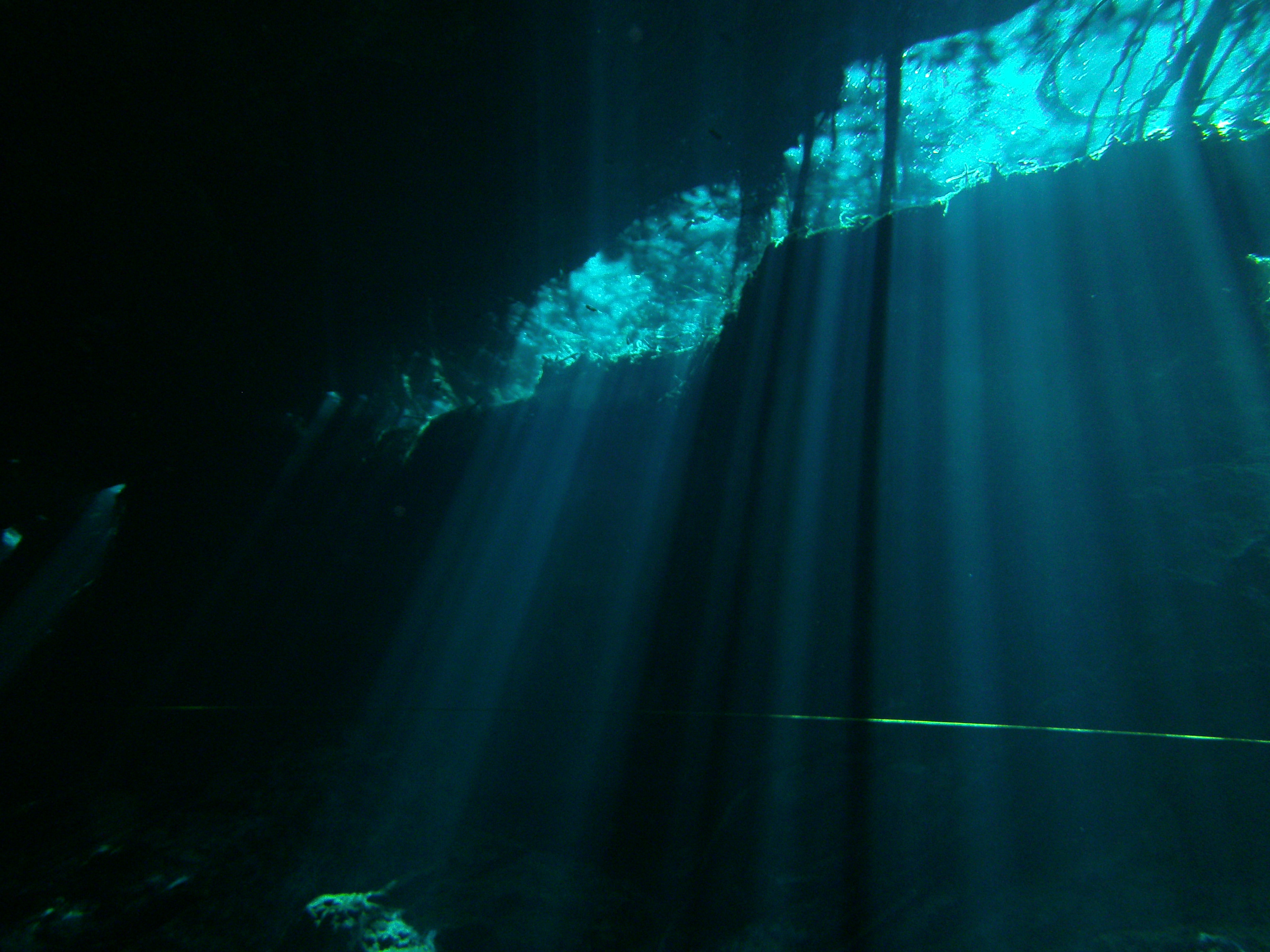
The Yucatan Peninsula in Mexico isn’t just about sun-kissed beaches and ancient Mayan ruins. Beneath the surface of this tropical paradise lies a hidden world of wonder: the cenotes. These natural sinkholes, formed by the collapse of limestone bedrock, expose crystal-clear freshwater caverns and caves, offering a unique and breathtaking diving experience.


Imagine plunging into a pool of emerald water, sunlight filtering through the jungle canopy above, illuminating a cathedral-like cavern adorned with shimmering stalactites and stalagmites. Schools of colorful fish dart through the pristine waters, their scales glinting like jewels against the sunbeams. This is the magic of cenote diving.


The Yucatan boasts over 6,000 cenotes, each with its own unique character. Some are open to the sky, allowing the sun to paint the water with mesmerizing light shows. Others are hidden beneath the jungle canopy, their entrances mere cracks in the earth that lead to vast underwater labyrinths.
For beginners, shallow cenotes like Dos Ojos (“Two Eyes”) offer gentle caverns and stunning clarity, perfect for snorkeling or a first foray into cavern diving. Experienced divers can push their limits in deeper cenotes like The Pit near Tulum, a breathtaking chasm with halocline effects that create an illusion of floating in mid-air.
Cenote diving isn’t just about the incredible scenery; it’s also a journey into the history and culture of the Yucatan. The Maya considered cenotes sacred portals to the underworld, Xibalba. Archaeological discoveries like pottery and skeletal remains paint a fascinating picture of their rituals and beliefs.

Beyond the historical significance, cenote diving is a thrilling adventure. Navigating underwater tunnels, encountering unique cave formations, and witnessing the vibrant aquatic life creates an unforgettable experience.
The photos above were captured during of my first cenote dives a decade ago.


Leave a Reply to Monkey’s TaleCancel reply