
Scuba Diving
Welcome to the hub of my underwater adventures. This archive collects my experiences, travel reports, and photography from around the globe, celebrating the incredible world of scuba diving. Whether you are looking for trip inspiration, gear insights, or simply want to explore the ocean’s depths through my lens, you’ll find it all right here.
-
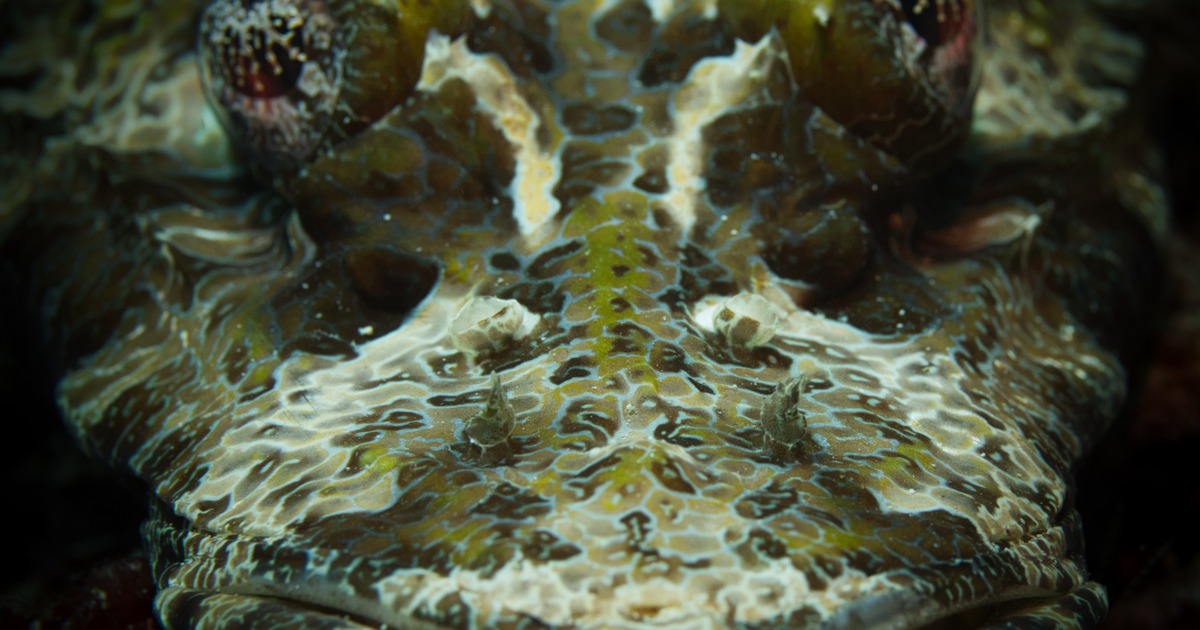
Crocodile Fish
Crocodilefish are masters of hiding in plain sight. Found across shallow Indo-Pacific and Red Sea reefs, these ambush predators rely on incredible camouflage, patience, and a wide, flattened profile to disappear against the seafloor.
-

Chromodoris Annae (Anna’s Magnificent Sea Slug)
Chromodoris annae, a vibrant blue nudibranch from the Indo-Pacific, captivates divers with its striking coloration and unique reproductive strategy as simultaneous hermaphrodites. Found at depths of 15-100 feet, it primarily feeds on sponges. Puerto Galera is a top diving location for observing this magnificent species.
-

Why Sand Tiger Sharks Hover on North Carolina Wrecks
Watching sand tiger sharks hover over North Carolina’s wrecks is one of those experiences that feels unreal—like the ocean slows down just long enough to show you how these animals truly move. It took me years to line it up. Offshore wreck diving here isn’t guaranteed. You can plan everything perfectly, but the Atlantic has…
-
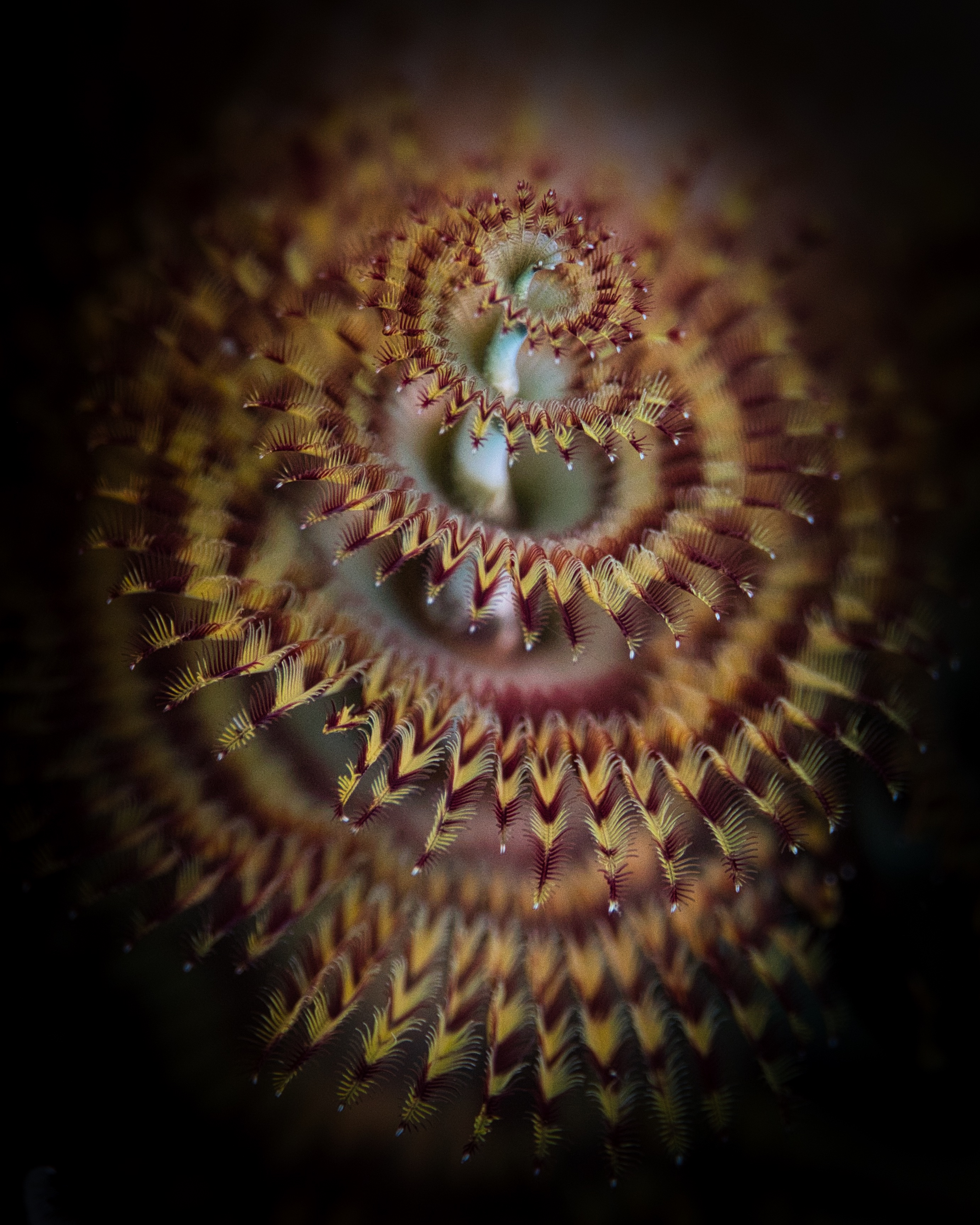
The Christmas Tree Worm: A Living Jewel of the Reef
The Christmas tree worm (Spirobranchus giganteus) is a vibrant marine worm residing in coral reefs. Its spiral plumes serve as gills and feeding structures, allowing it to filter food. Highly sensitive to movement, the worm quickly retracts into its coral tube when threatened, re-emerging once the environment stabilizes.
-

Copper-rumped Hummingbird in Speyside, Tobago
While exploring Speyside, Tobago, I encountered a Copper-rumped Hummingbird resting briefly on a utility wire outside a restaurant. This unplanned wildlife moment highlighted Speyside’s rich vegetation and ideal conditions for spotting hummingbirds. The region benefits from nearby Little Tobago’s bird sanctuary, promoting a healthy ecosystem for nectar-feeding species.
-
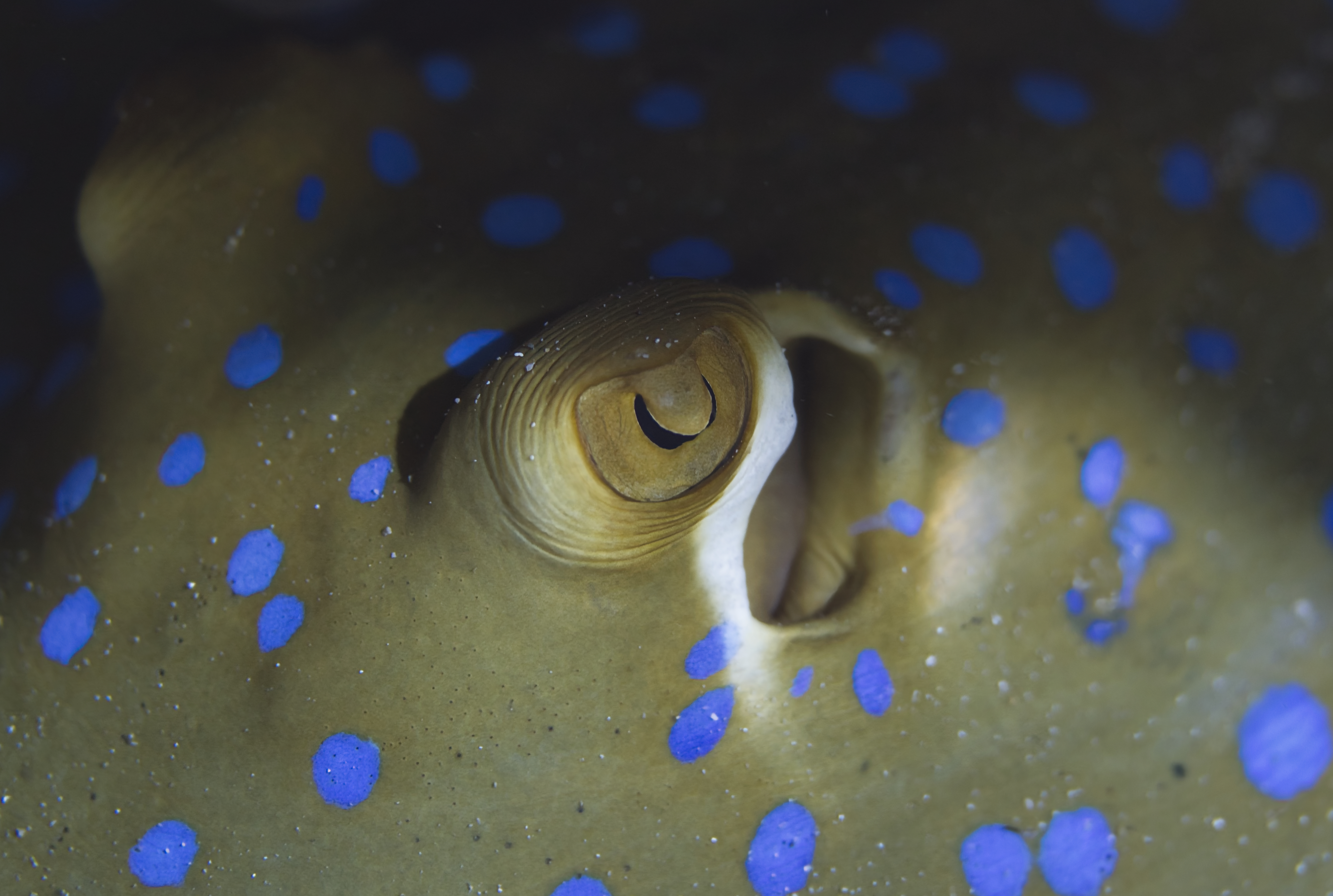
The Eye of the Bluespotted Ribbontail Ray
The Bluespotted Ribbontail Ray, or Taeniura lymma, is a striking Indo-Pacific creature known for its vibrant blue spots on a golden-olive body. Typically found in shallow coastal waters, it can be identified by its small size and blue-striped tail. Although not aggressive, it possesses venomous spines, requiring cautious observation. Its IUCN status is Least Concern,…
-

Behind the Sting: Jellyfish Behavior in the Red Sea
Jellyfish have existed for over 500 million years, playing a crucial role in marine ecosystems. They pulse through the water, have unique behaviors, and serve as food for various ocean species. Their stinging cells can remain active after death, necessitating caution. Understanding jellyfish is vital for ocean health and climate adaptability.
-

NYUPS Is Back — Spiny Devilfish
On September 30, 2025, NYUPS (New York Underwater Photographic Society) – the imaging arm of Big Apple Divers – held its first meetup since the pandemic pause, filling the back room at Fred’s on Amsterdam Ave. Hosted by Larry C., Mike R., Adam S., and myself (Hank), it was standing-room only. Around ten presenters shared…
-

Yellow Nudibranch – Gymnodoris subflava
The Gymnodoris subflava, a vibrant yellow nudibranch found off Dumaguete, captivates divers and photographers alike. Growing up to 2.5 cm, this carnivorous gastropod displays bold coloration as an aposematic warning against predators. Its presence reflects the Philippines’ rich marine biodiversity and highlights the significance of a thriving reef ecosystem.
-
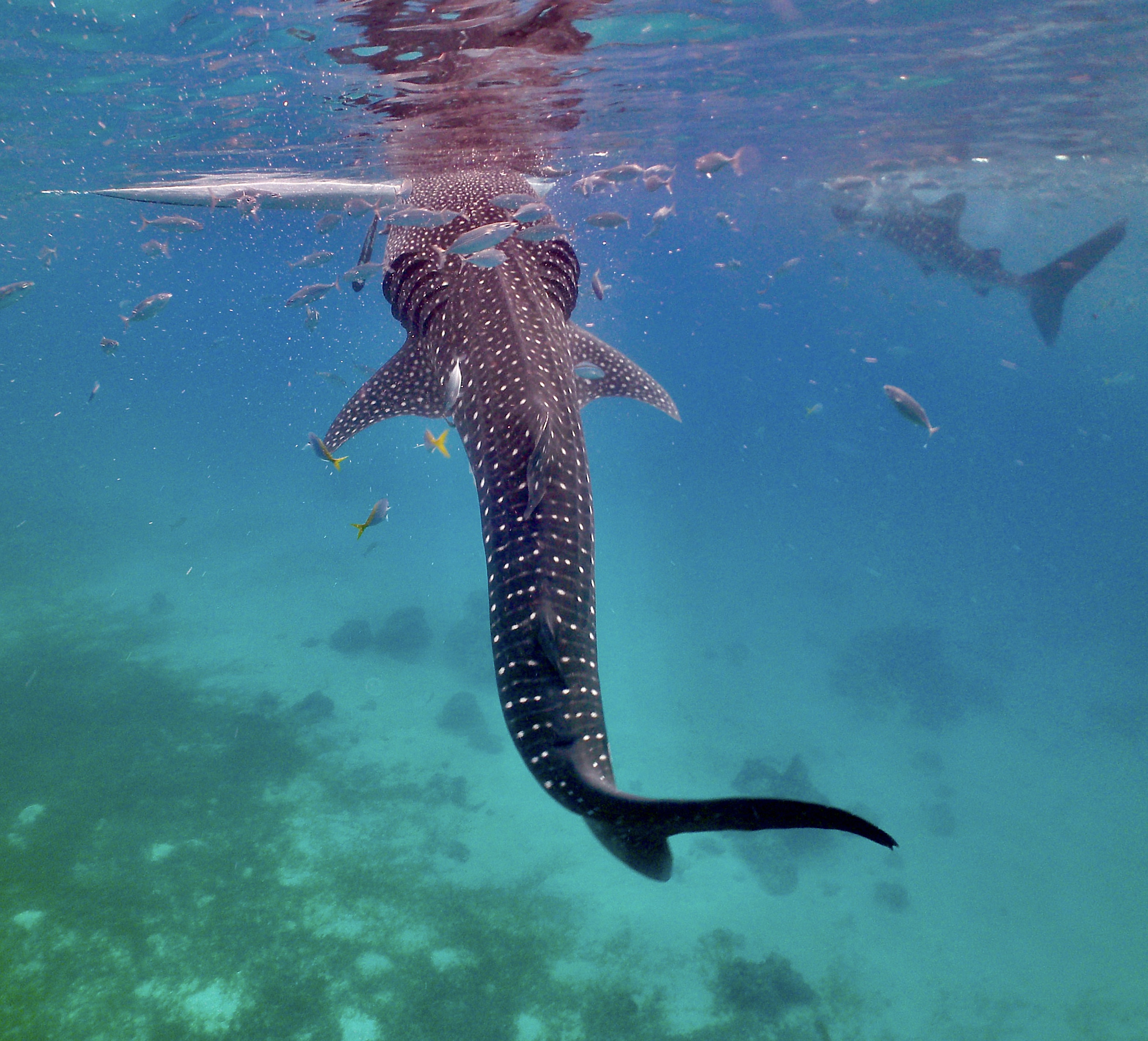
Majestic Giants of the Philippines: Whale Sharks in Oslob
Oslob, Philippines, is renowned for its encounters with whale sharks, the largest fish in the ocean, which can reach up to 12 meters. Fishermen attract them with small fish, drawing tourists for memorable experiences. Their unique markings aid in research, but feeding practices raise concerns about tourism’s impact on conservation and wildlife interactions.