
Marine Life – Creature Feature
This collection brings together moments from my underwater adventures around the world — a visual log of the marine life and behaviors I’ve captured through the lens. From the sneaky sway of a juvenile orange frogfish to the mesmerizing mating rituals of Lembeh’s nudibranchs, each clip is filmed with patience and authenticity, focusing on real ocean moments rather than just quick sightings.
The footage here spans a range of marine environments — from the silty depths of the Indo-Pacific to the surge zones along South Africa’s Wild Coast. Every entry aims to show both the beauty and the technical side of underwater cinematography, blending marine biology with the creative craft of filming beneath the surface.
-

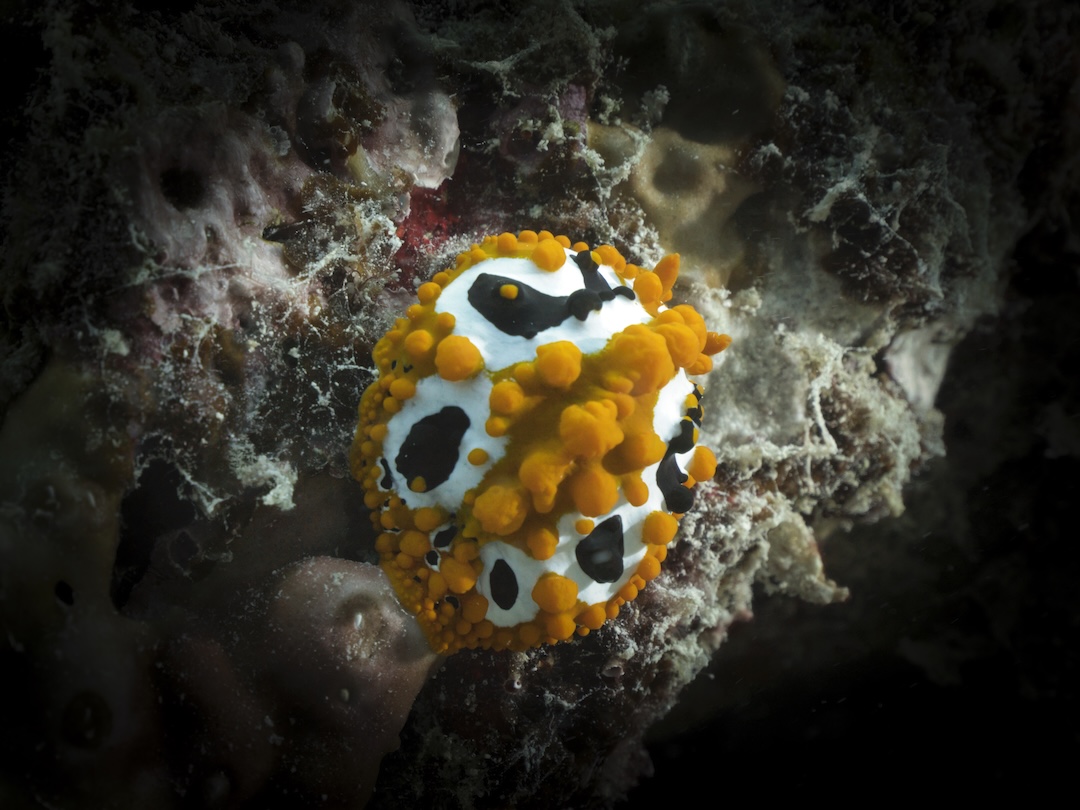
Goniobranchus rufomaculatus: Nudibranch of Lembeh Strait
Defying the slow reputation of its kind, this Goniobranchus rufomaculatus nudibranch was filmed moving briskly across the Lembeh Strait seabed.
-

Hawksbill Sea Turtle
The hawksbill sea turtle (Eretmochelys imbricata) is a critically endangered species primarily found in coral reefs across the Caribbean and tropical oceans. Its population declines due to poaching for its shell, bycatch in fisheries, and climate change affecting nesting sites. Hawksbills are vital to reef ecosystems, feeding mainly on sponges.
-

The Sleeping Sharks of Socorro
Most sharks can’t stop swimming without suffocating. The whitetip reef shark can — and spends its days resting in stacked groups along volcanic ledges in the Revillagigedo Archipelago. A species guide covering buccal pumping, shark-stacking behavior, and where to find them from Socorro to Fiji.
-
Underwater Images From the Seychelles
Photographs from a week of diving in the inner Seychelles — most shot from the liveaboard S.Y. Sea Bird, the rest from resort boat dives off Mahé. Seven galleries: reef, batfish, nudibranchs, octopus, ambush predators, echinoderms and coral restoration.
-

Galapagos Bullhead Shark (Heterodontus quoyi) — Fernandina Island
The Galapagos Bullhead Shark, a small and elusive species endemic to the Galápagos Islands, primarily inhabits rocky reefs and prefers cold waters rich in nutrients. Notably nocturnal, it forages for small invertebrates at night. This species, described in 1840, remains under-researched despite its unique ecological role in the region.
-
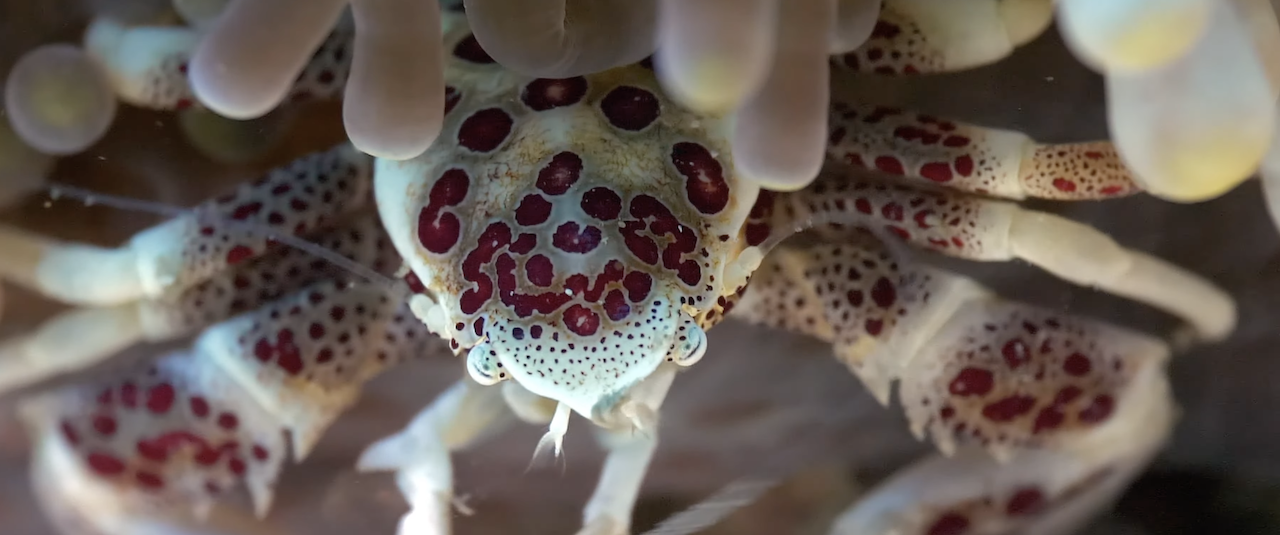
Spotted Porcelain Crab
In Puerto Galera, Philippines, the spotted porcelain crab (Neopetrolisthes maculatus) resides in sea anemones, using their stinging tentacles for protection. This species, a filter feeder, utilizes specialized mouthparts to capture plankton while its oversized claws serve for territory defense rather than hunting. Their adaptation reflects a unique evolutionary lineage within crustaceans.
-
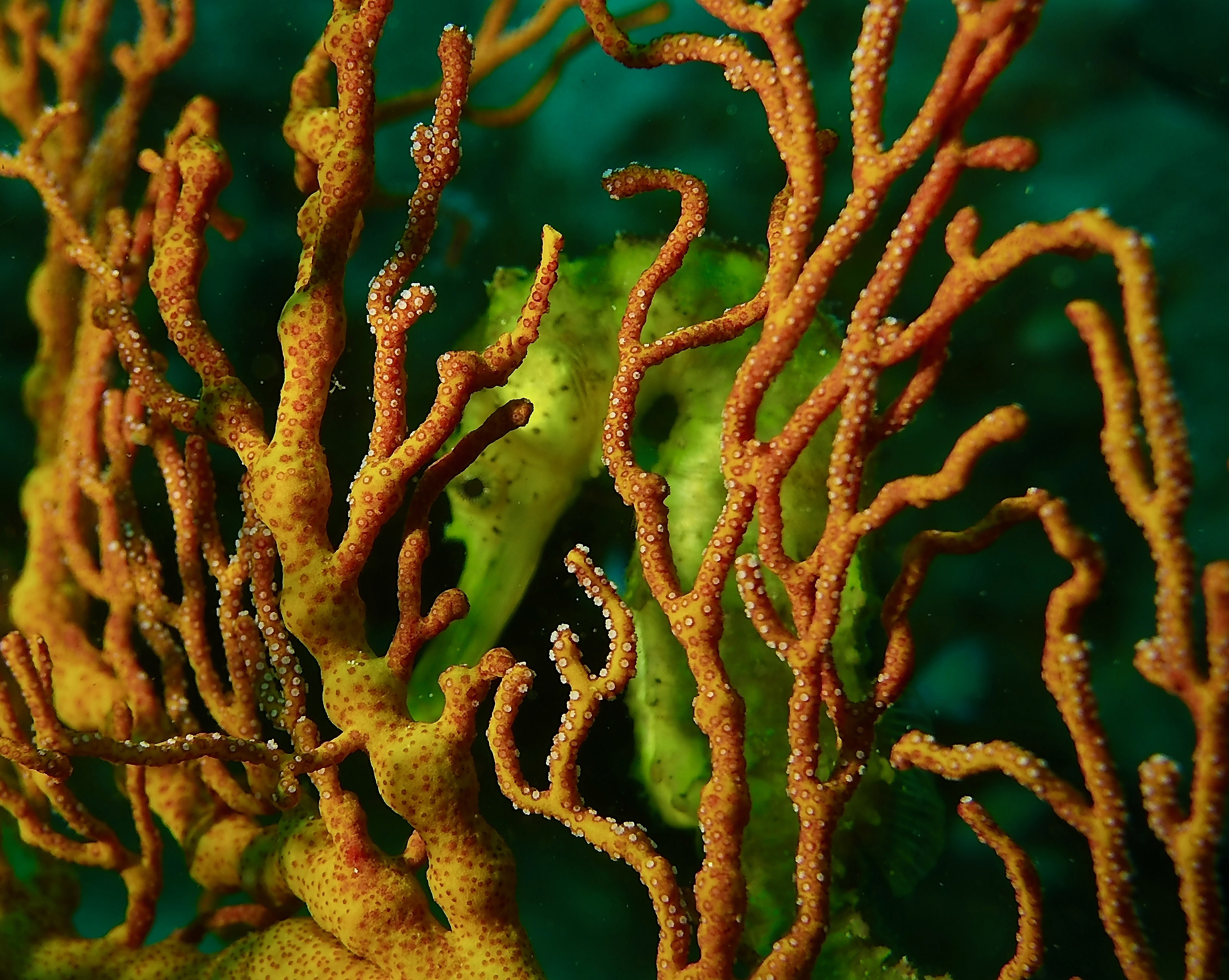
Yellow Longsnout Seahorse (Hippocampus reidi) – Curaçao
Curaçao · Caribbean · Marine Life Underwater footage of a yellow Longsnout Seahorse (Hippocampus reidi) moving through the reef in Curaçao. An unlikely pop of gold. The Longsnout Seahorse (Hippocampus reidi) can shift between cream, orange, brown, and yellow to match its surroundings. Watching one work its way across the reef in full yellow is…
-
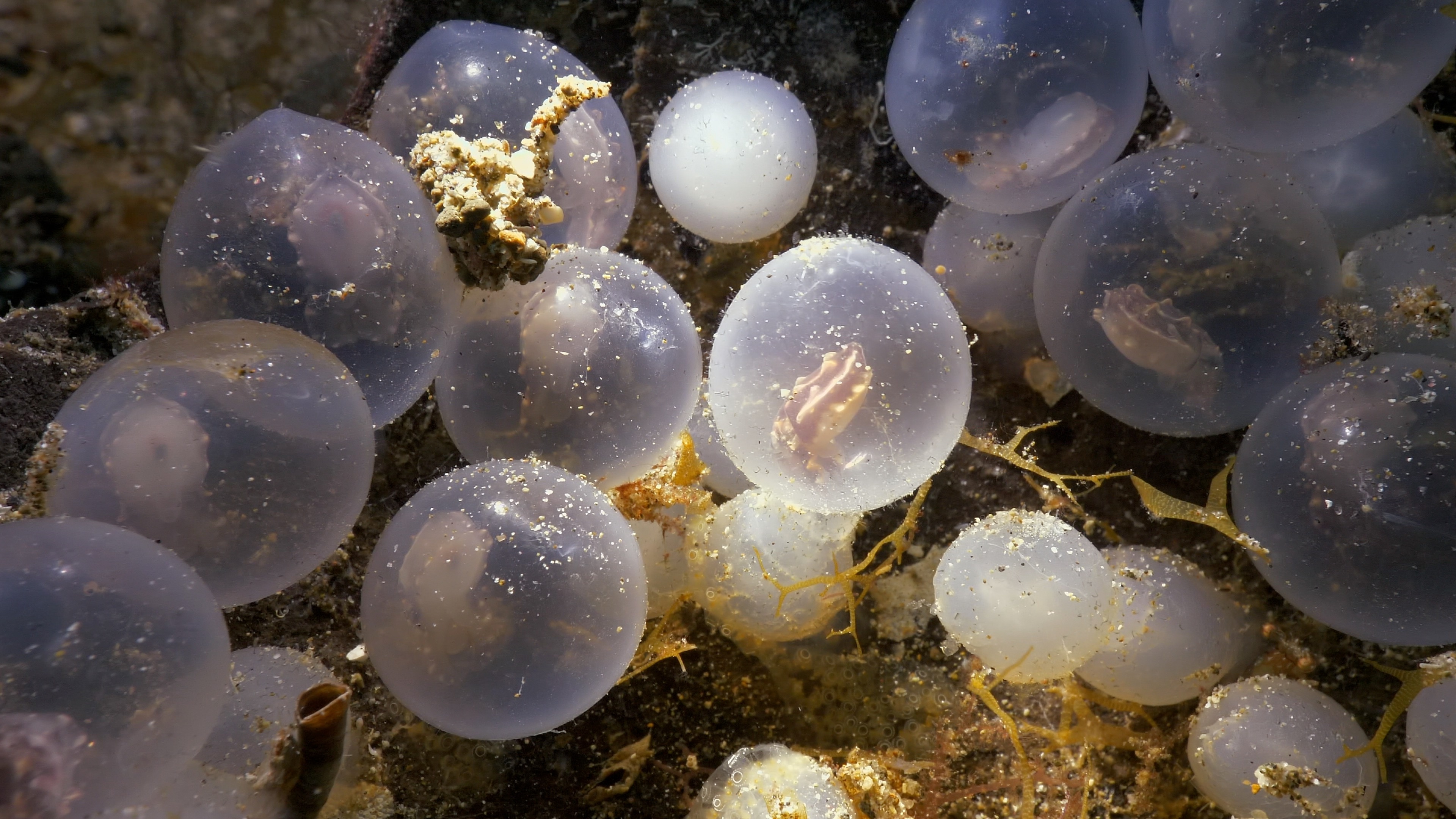
Flamboyant Cuttlefish Embryos Developing Inside the Egg — Anilao
The flamboyant cuttlefish, Metasepia pfefferi, is a notable cephalopod in the Indo-Pacific, particularly cherished by divers in Anilao, Philippines. Its translucent eggs reveal developing embryos exhibiting early color-changing abilities. After 35–40 days, hatchlings emerge fully independent, embodying adult traits. This species uniquely “walks” on the seafloor, primarily hunting in shallow waters.
-
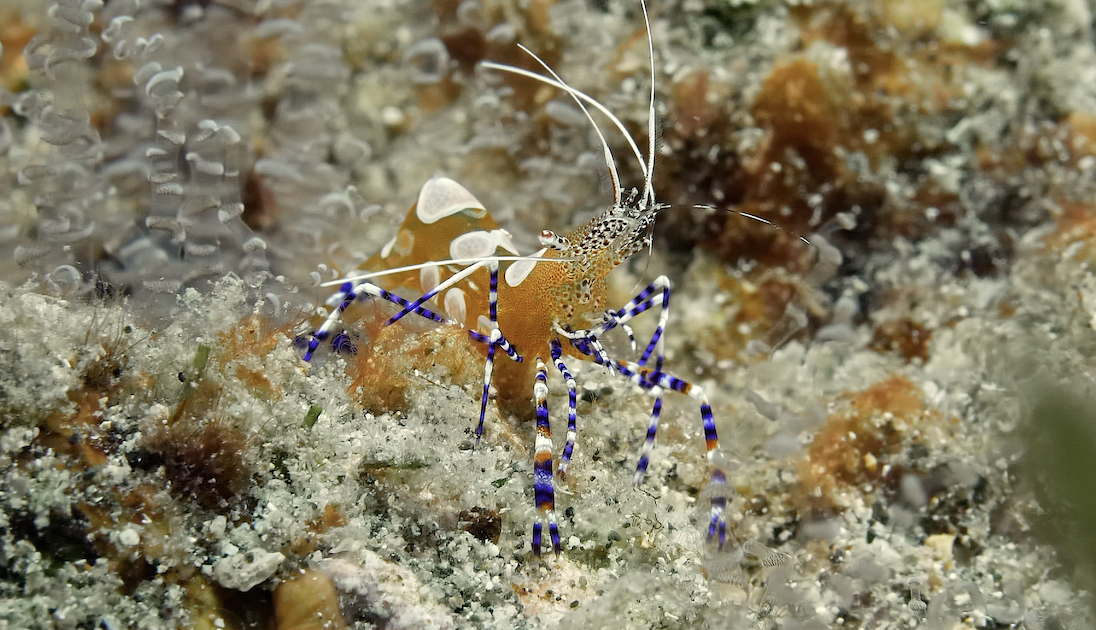
Spotted Cleaner Shrimp
Creature Feature · St. Vincent Spotted Cleaner Shrimp open for business The spotted cleaner shrimp is all antennae, nerve, and purpose. Barely more than a centimeter long, it lives on Caribbean reefs and signals to fish many times its size, offering a service that keeps both sides alive. It picks parasites, dead skin, and debris…
-
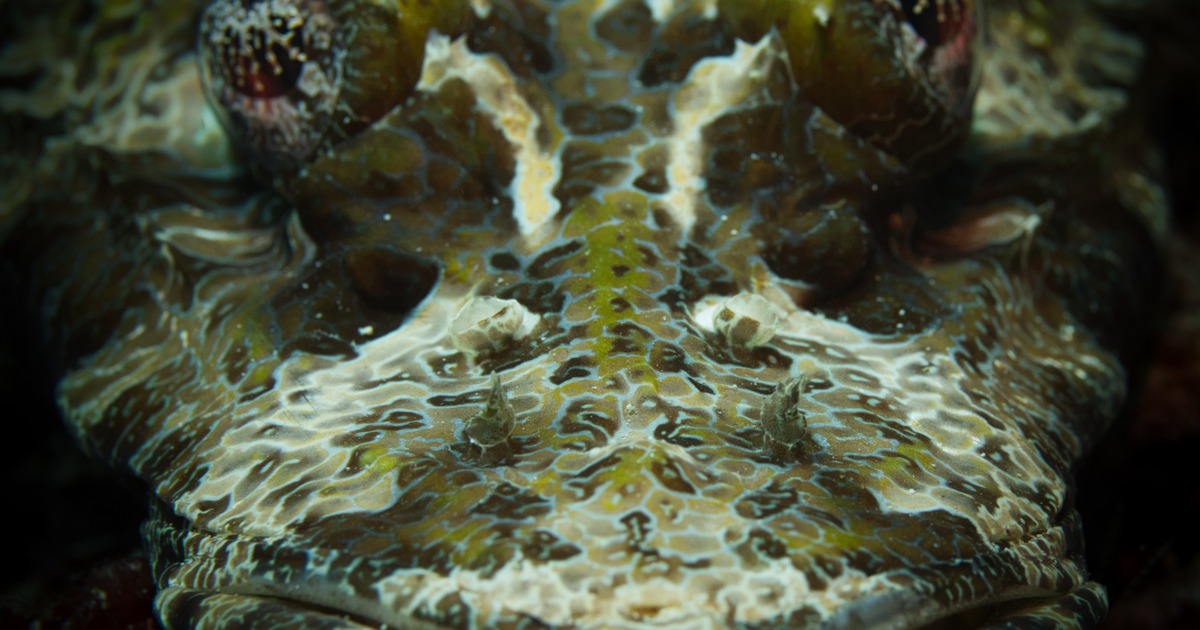
Crocodile Fish
Crocodilefish are masters of hiding in plain sight. Found across shallow Indo-Pacific and Red Sea reefs, these ambush predators rely on incredible camouflage, patience, and a wide, flattened profile to disappear against the seafloor.