
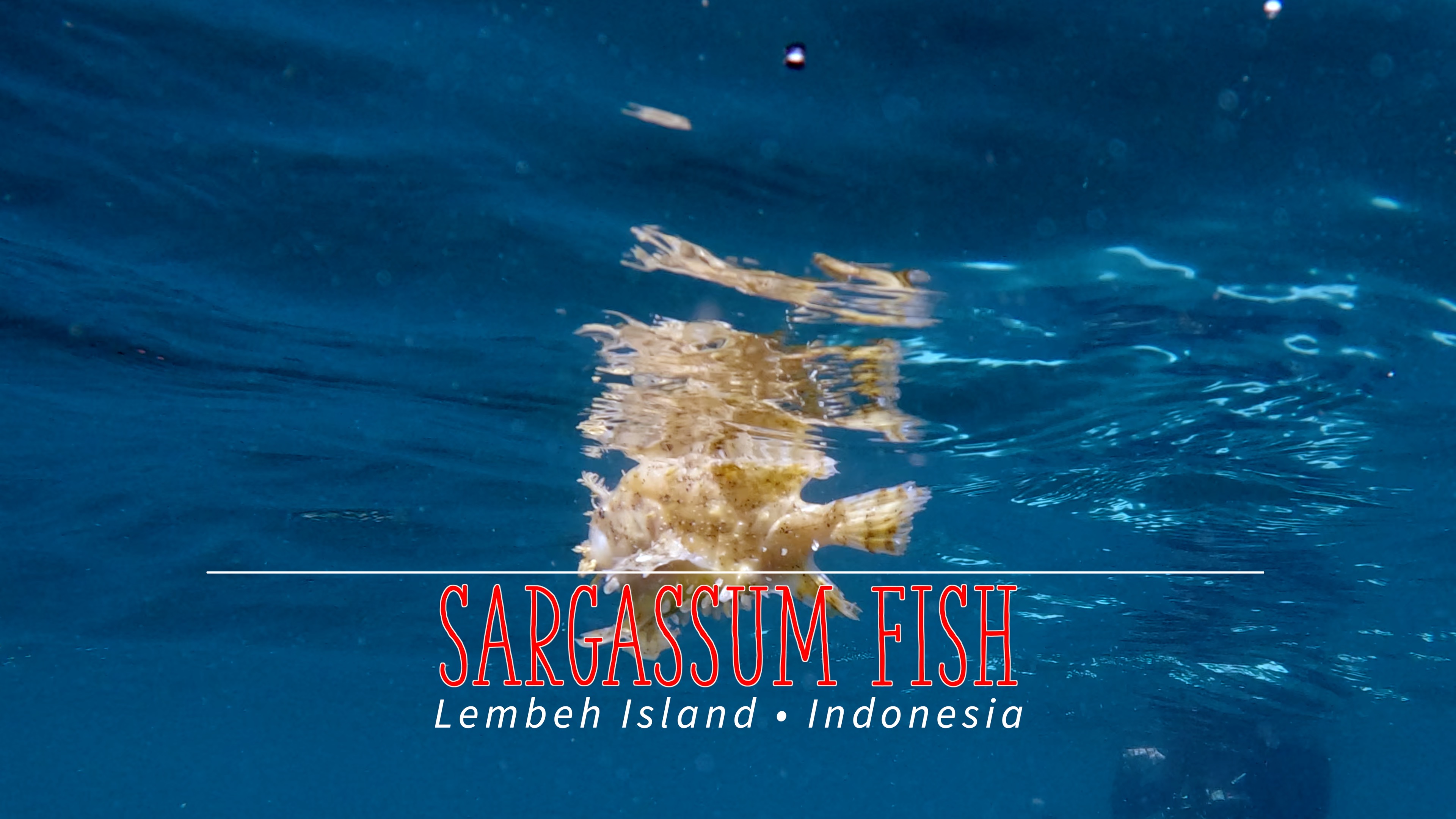
The Sargassum fish, scientifically known as Histrio histrio, is a master of mimicry, seamlessly blending into the floating sargassum seaweed that carpets the ocean’s surface. One might mistake these aquatic illusionists for mere extensions of the surrounding seaweed, but their ability to float is a key survival strategy that goes beyond mere camouflage.
At the heart of the Sargassum fish’s buoyant prowess lies a remarkable adaptation—small gas-filled bladders called pneumatocysts. These buoyant structures provide the fish with the ability to remain suspended at the water’s surface, where vital elements such as light and oxygen are abundant.
The Sargassum fish’s floating lifestyle is not merely a spectacle but a strategic choice for survival. By staying near the water’s surface, these adept swimmers ensure access to ample sunlight for photosynthesis, a crucial process for the sargassum seaweed they call home. Moreover, the upper layers of the ocean contain higher concentrations of oxygen, contributing to the Sargassum fish’s respiratory needs.
Beyond the practical benefits of floating, the Sargassum fish’s ability to mimic the appearance of the surrounding seaweed is a remarkable form of camouflage. This mimicry helps them evade the keen eyes of predators, allowing them to seamlessly blend into their habitat and avoid becoming a meal for larger ocean dwellers.
I spotted the fish above in Lembeh Strait in Indonesia.



Share Your Thoughts Below