
Scuba Diving
Submerging beneath the surface shifts your perspective entirely. This collection serves as a digital logbook for my diving life, encompassing detailed trip reports, site-specific conditions, and the logistical realities of traveling for underwater photography. These entries document the sport itself—navigating currents, managing camera rigs, and the distinct feeling of weightlessness. From the adrenaline of open-ocean drifts to the meditative pace of a muck dive, this is where the dive profiles and the stories behind them live.
-
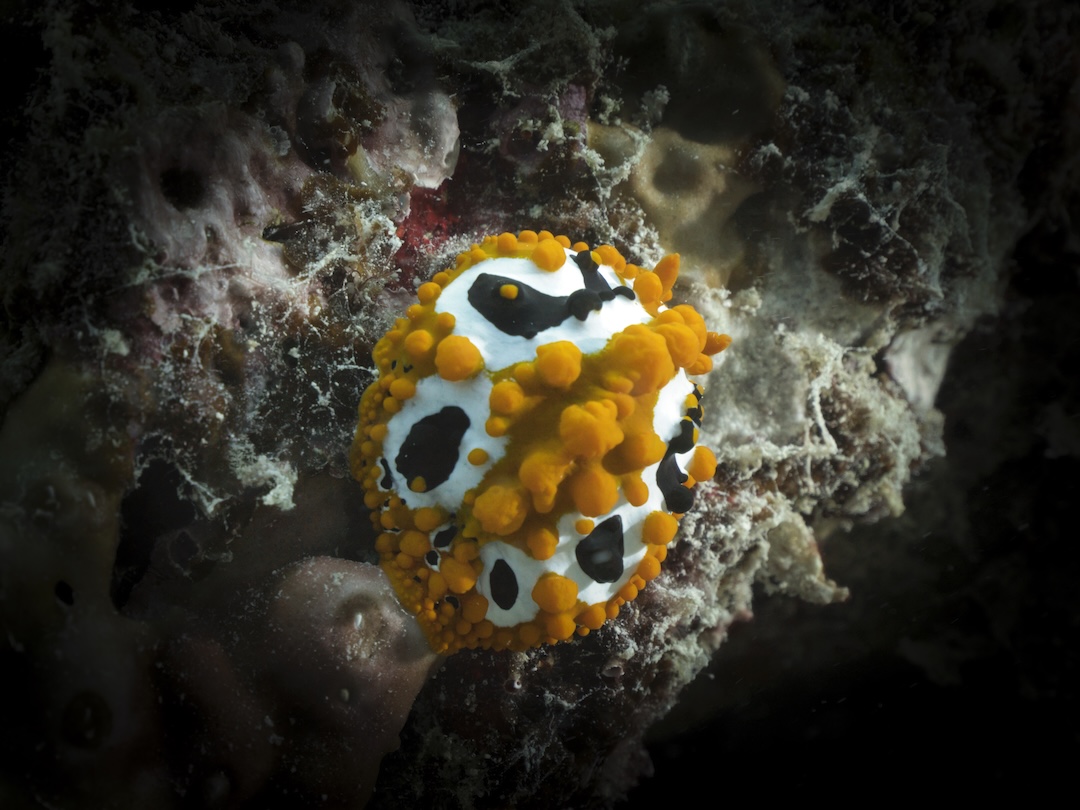
Underwater Images From the Seychelles
Photographs from a week of diving in the inner Seychelles — most shot from the liveaboard S.Y. Sea Bird, the rest from resort boat dives off Mahé. Seven galleries: reef, batfish, nudibranchs, octopus, ambush predators, echinoderms and coral restoration.
-
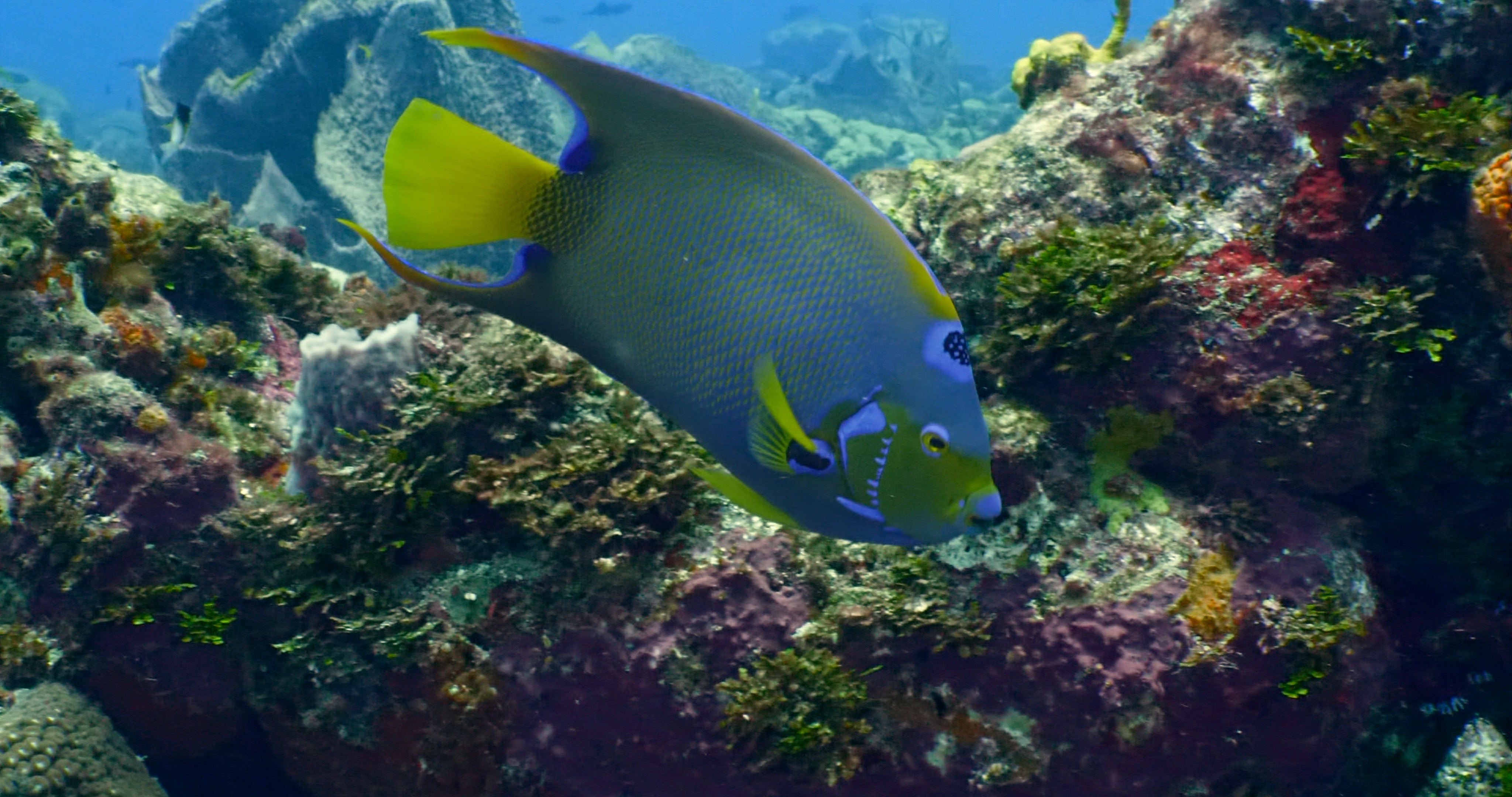
Queen Angelfish (Holacanthus ciliaris) – Tobago
The Queen Angelfish, known scientifically as Holacanthus ciliaris, is a vibrant and inquisitive species found in the Caribbean, particularly in Tobago’s nutrient-rich waters. Identifiable by a distinctive crown-like marking and striking coloration, they play a crucial role in reef ecology by managing sponge populations, thriving within diverse coral habitats.
-
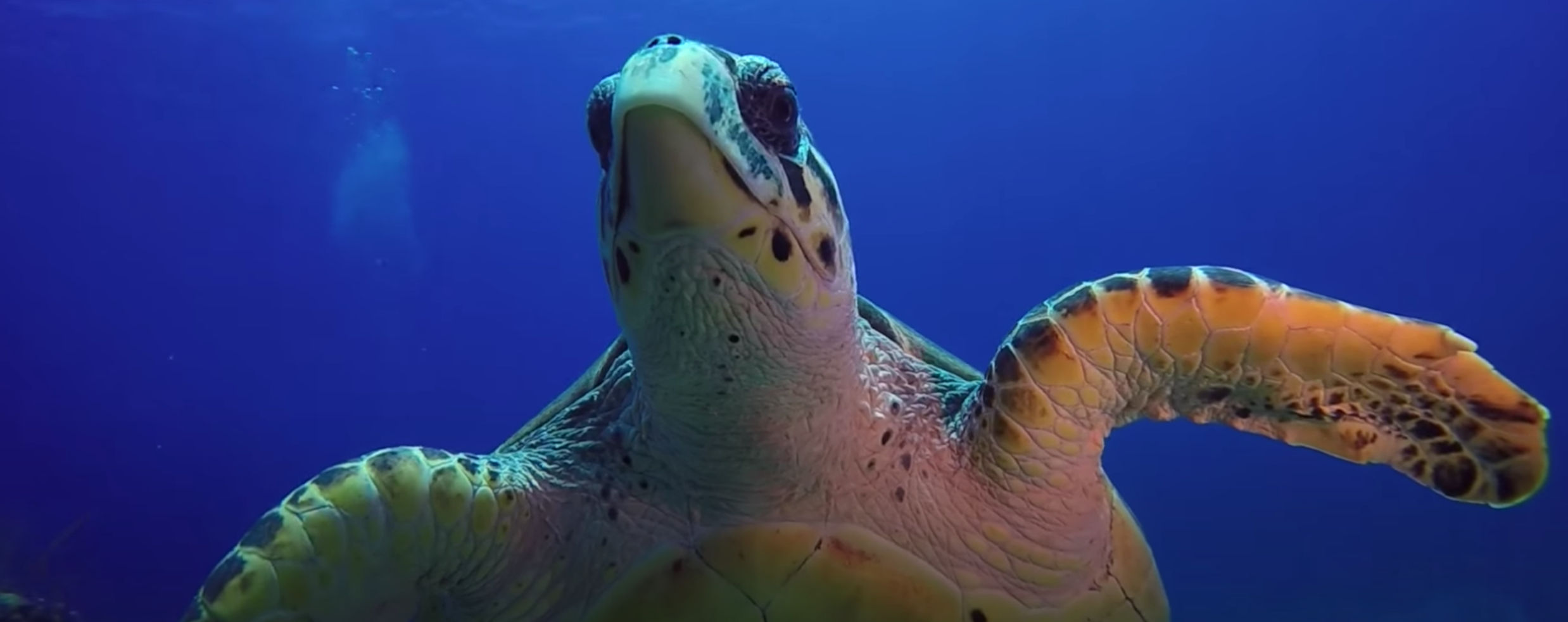
Four Unforgettable Warm Water Diving Destinations
Warm water diving provides unique adventures across diverse destinations. Belize offers stunning coral reefs and the Great Blue Hole, while Raja Ampat showcases rich marine biodiversity. Nassau features thrilling encounters with turtles and sharks, and Bonaire is ideal for solo divers with accessible shore dive sites. Each location promises unforgettable experiences.
-
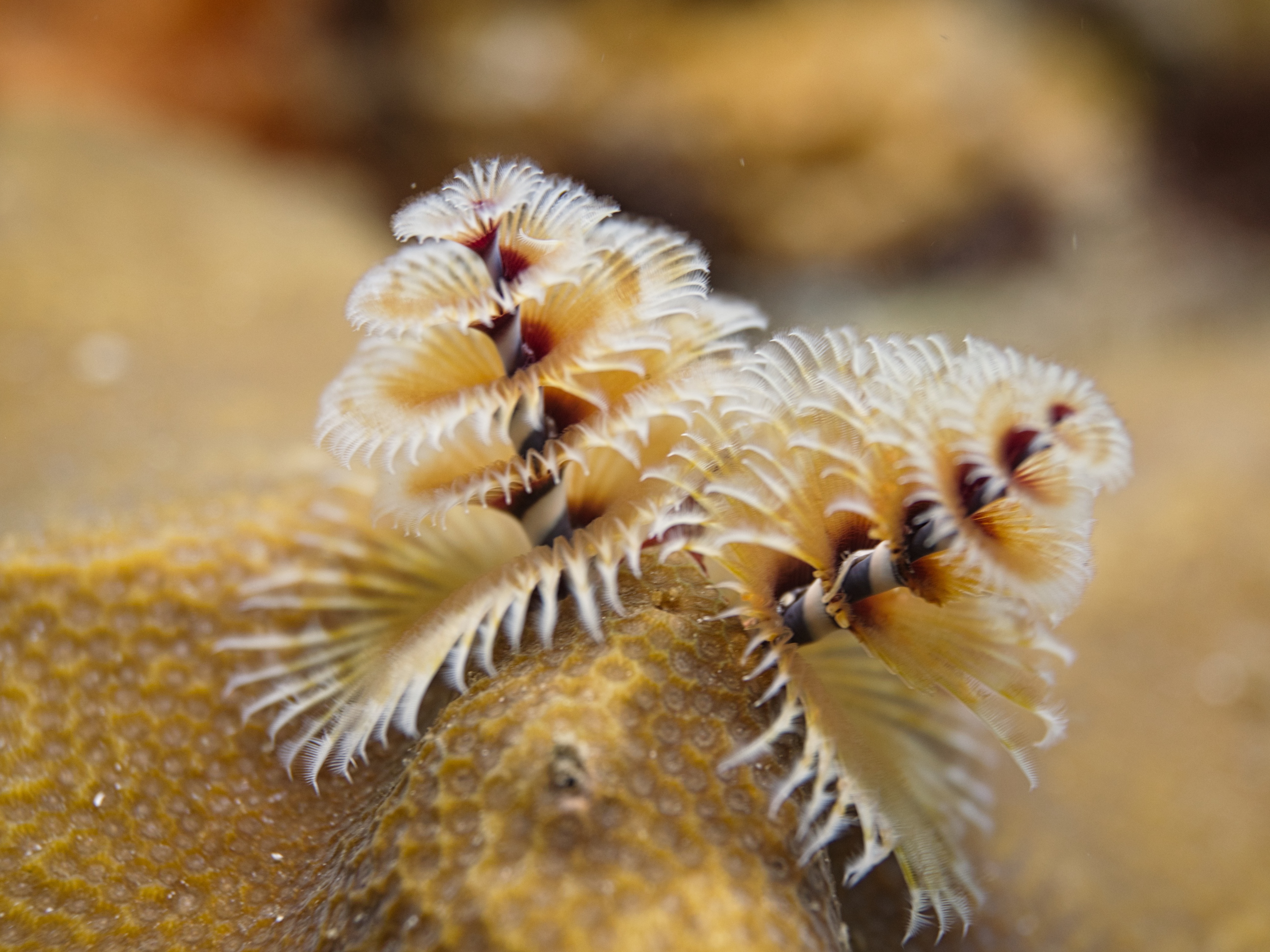
Christmas Tree Worms: Tiny, Colorful Treasures of the Reef
The ocean is full of fascinating creatures, but few are as eye-catching as Christmas tree worms (Spirobranchus giganteus). With their vibrant, spiral-shaped crowns, these small marine worms look like underwater holiday decorations. But beyond their beauty, they play an important role in coral reef ecosystems. Let’s dive into three fascinating facts about these mesmerizing reef…
-

North Carolina Wreck Diving: The Bruse Reeb
North Carolina is often called the Graveyard of the Atlantic, home to hundreds of shipwrecks scattered along its coast. While the famous wrecks like the U-352 and the Spar get most of the attention, some of the most memorable dives come from the lesser-known sites hidden offshore. On a recent trip with Gotham Divers, aboard…
-
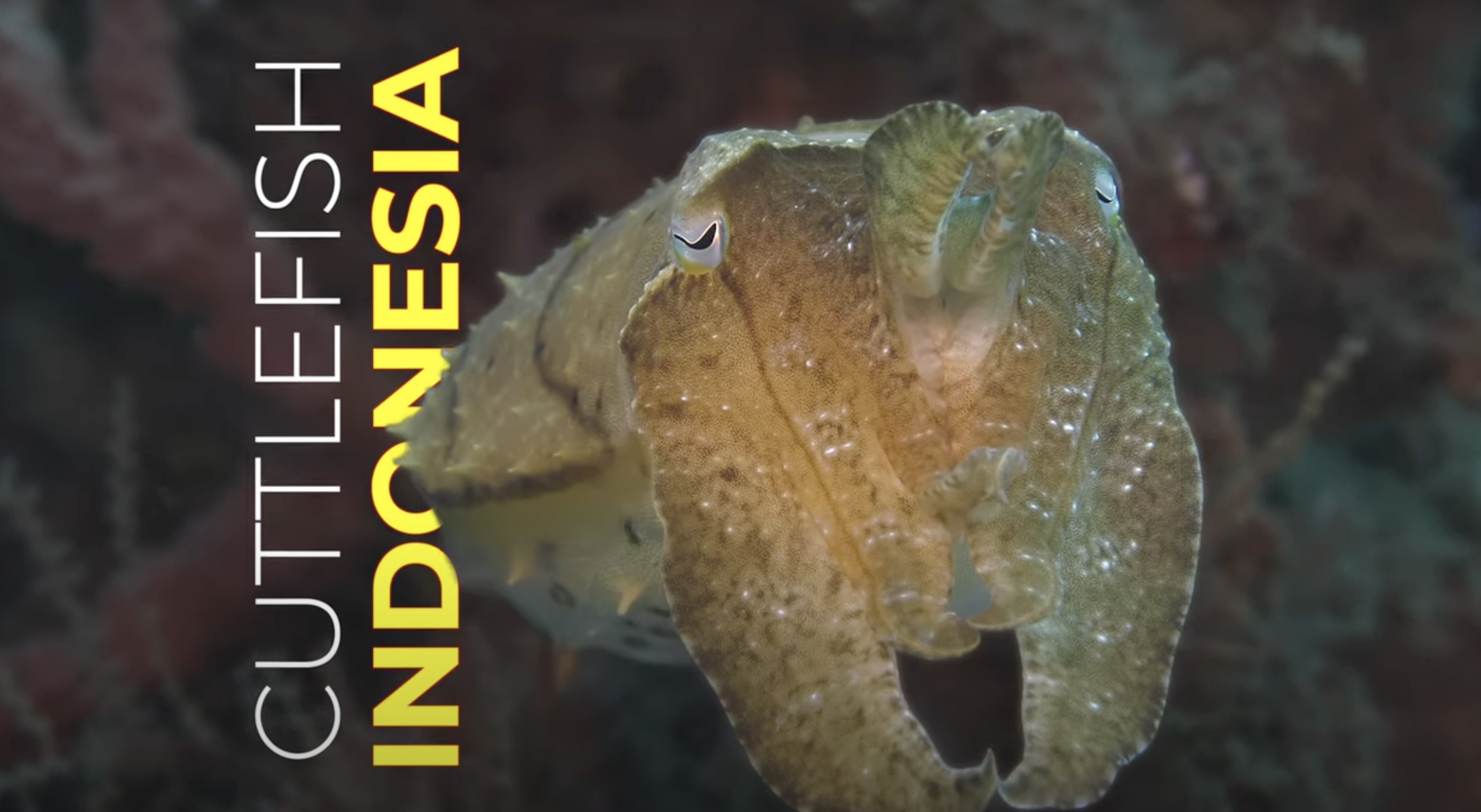
Observing a Pharaoh Cuttlefish (Sepia pharaonis) in Indonesia’s Reefs
While diving off the coast of Indonesia, I recorded footage of a Pharaoh cuttlefish (Sepia pharaonis) in its natural habitat. This species is commonly found in the Indo-Pacific region and is known for its advanced camouflage abilities and dynamic skin patterning. The individual observed remained stationary for several moments, displaying a range of color changes…
-
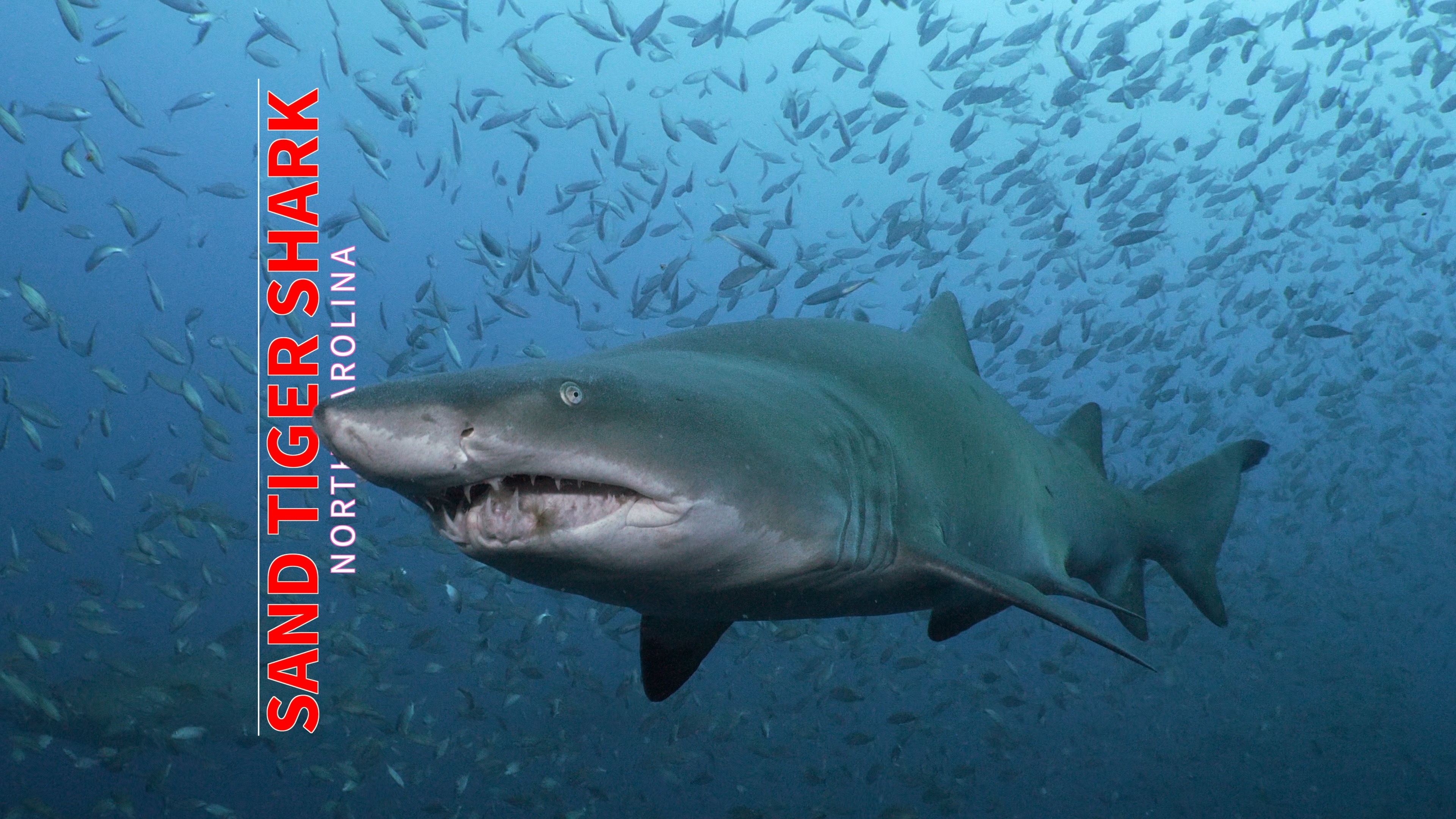
Face to Face with a Sand Tiger Shark in North Carolina
Sand tiger sharks are commonly found off the coast of North Carolina, particularly near shipwrecks, due to abundant prey and shelter. While their appearance may seem intimidating, they are generally docile. The region supports large aggregations of these sharks, attracting divers and boosting local ecotourism during the summer months.
-
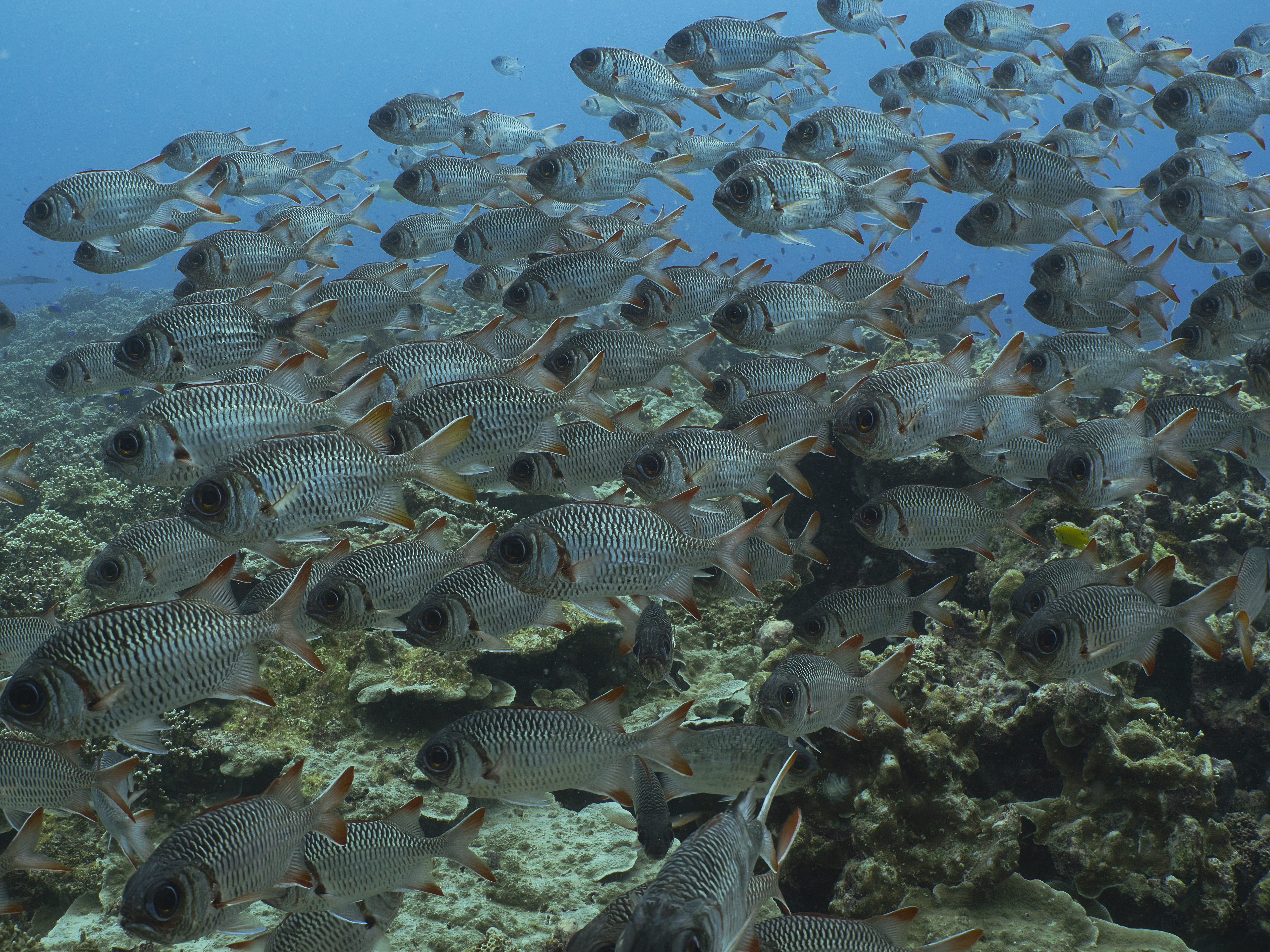
Keep Your Eye On The Camera
While diving off the coast of the Seychelles, I came across a tightly packed school of soldierfish. With their vivid reddish and silver coloring and oversized eyes, they’re surprisingly photogenic and usually unbothered by divers. Luckily, they all faced the camera at the same time. It felt like they were posing for the perfect group…
-

Venomous and Mesmerizing: Meet the Striped Eel Catfish of Dauin
The striped eel catfish (Plotosus lineatus) is a common sight in the waters of Dauin, Philippines, especially in sandy or rocky areas near coral reefs. These fish are easy to recognize because of their long bodies, black and white stripes, and whisker-like barbels around their mouths. The barbels help them feel around for food in…
-
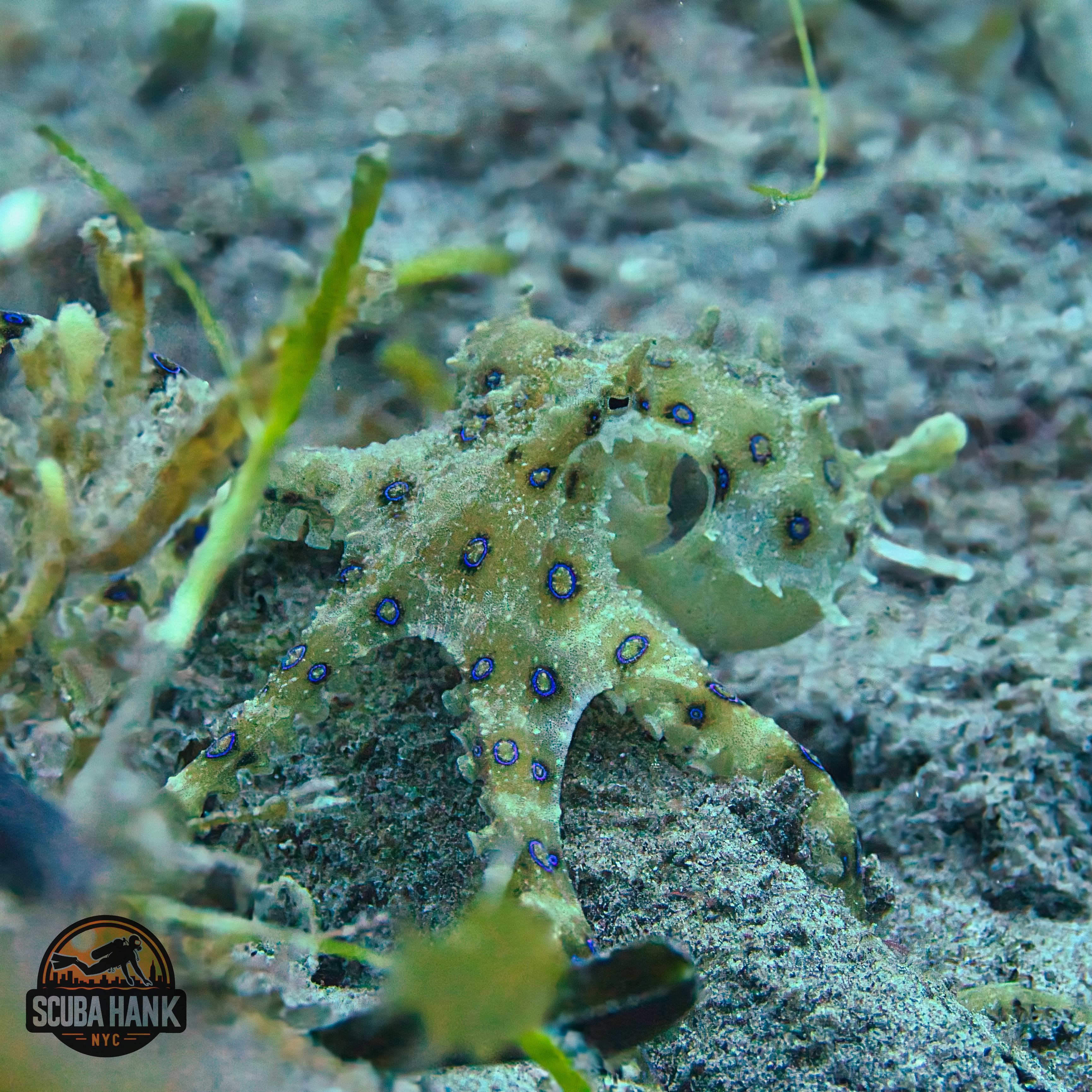
Blue-Ringed Octopus: Small, Stunning, and Seriously Dangerous
During a dive in Dauin, Philippines, I encountered the Blue-ringed octopus, a small cephalopod that displays neon-blue rings when threatened. Known for its potent neurotoxin, it poses a danger despite appearing calm. Responsible divers admire its beauty from a distance, making it a sought-after sight for underwater photography.