
Indonesia Scuba Diving
From the world-famous muck diving in Lembeh Strait to the vibrant coral gardens of Raja Ampat, Indonesia scuba diving offers unrivaled biodiversity. In this section, I document my encounters with the archipelago’s unique marine life—including rare macro critters, cuttlefish, and vast reef systems—showcasing why this region is a top destination for underwater photographers.
-
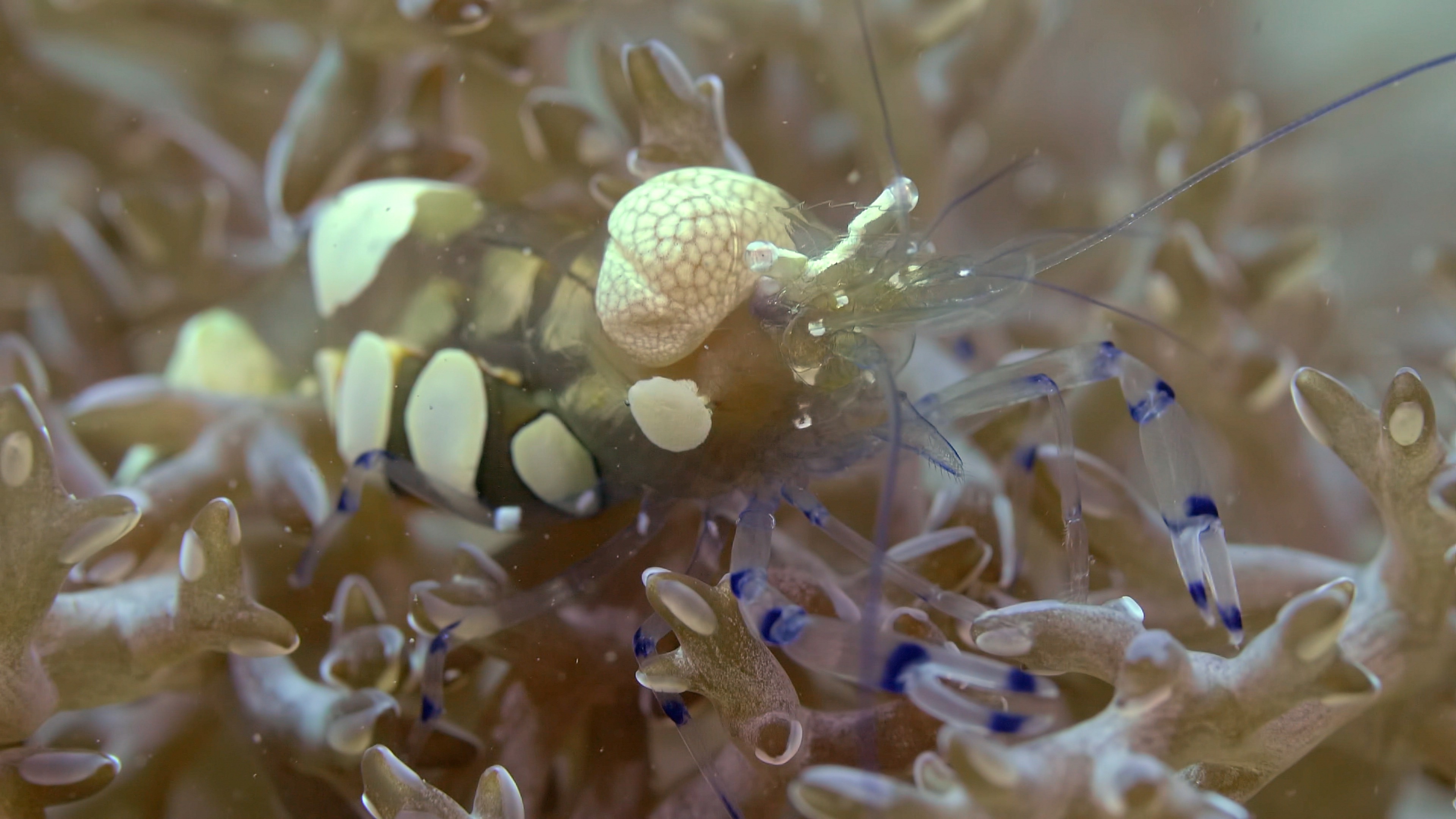
Up Close with the Peacock-Tail Anemone Shrimp (Periclimenes brevicarpalis)
The Peacock-tail Anemone Shrimp (Periclimenes brevicarpalis) exemplifies the beauty of marine life in the Indo-Pacific, featuring a clear body, white patches, and blue-tipped limbs. This tiny shrimp thrives within anemones, benefiting from protection and cleaning others. Though small, it’s a sought-after macro photography subject, symbolizing Indonesia’s vibrant reef ecosystem.
-
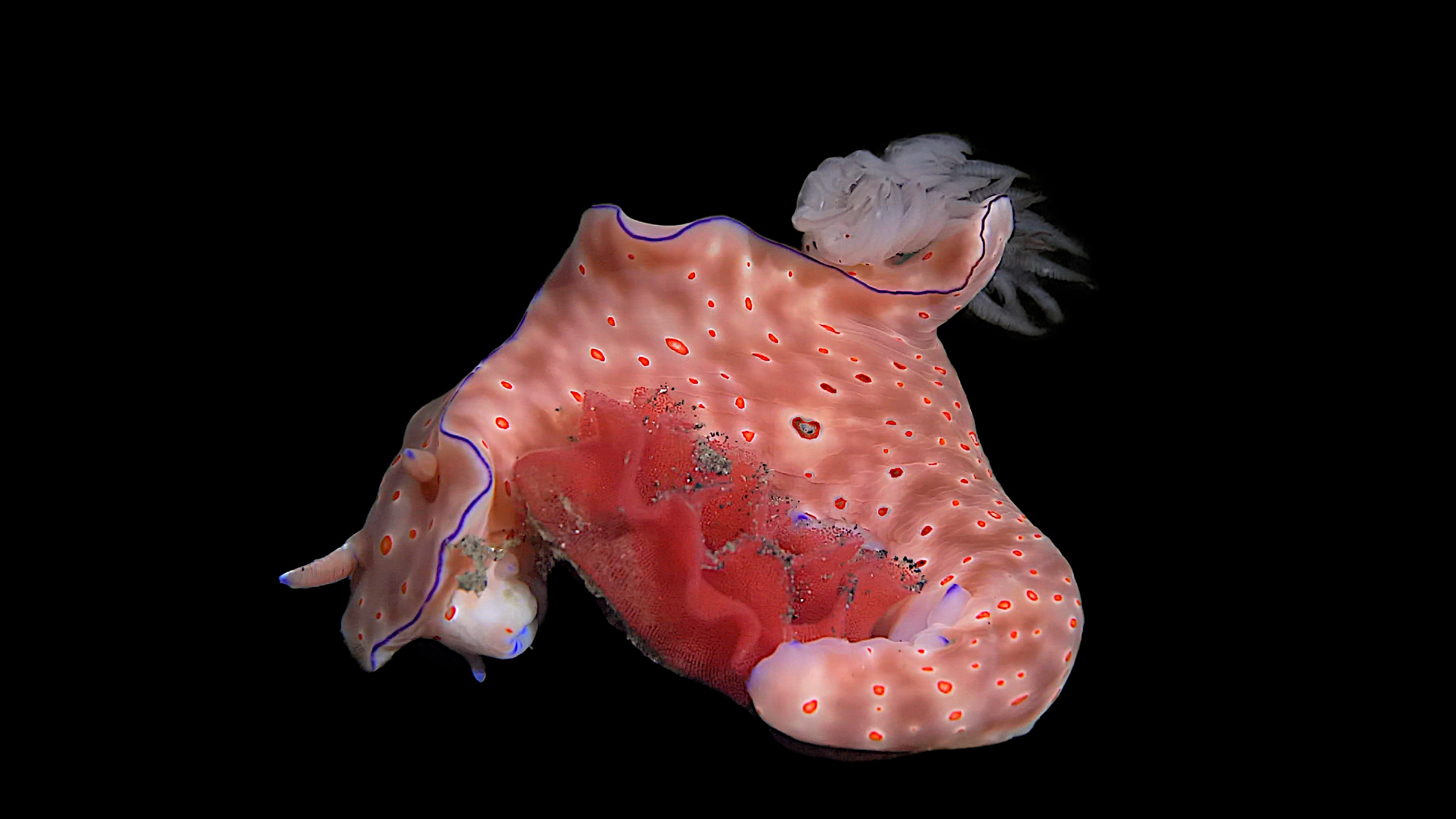
Ceratosoma trilobatum Laying Its Egg Ribbon in Lembeh Strait
The Tri-lobed Ceratosoma, or Ribbon Nudibranch, is a visually captivating marine species found in the Indo-Pacific. This salmon-pink slug exhibits unique egg-laying behavior, depositing a coiled ribbon while moving across the substrate. Filming these behaviors in Lembeh Strait requires patience, as natural movement is essential to capture these rare moments.
-
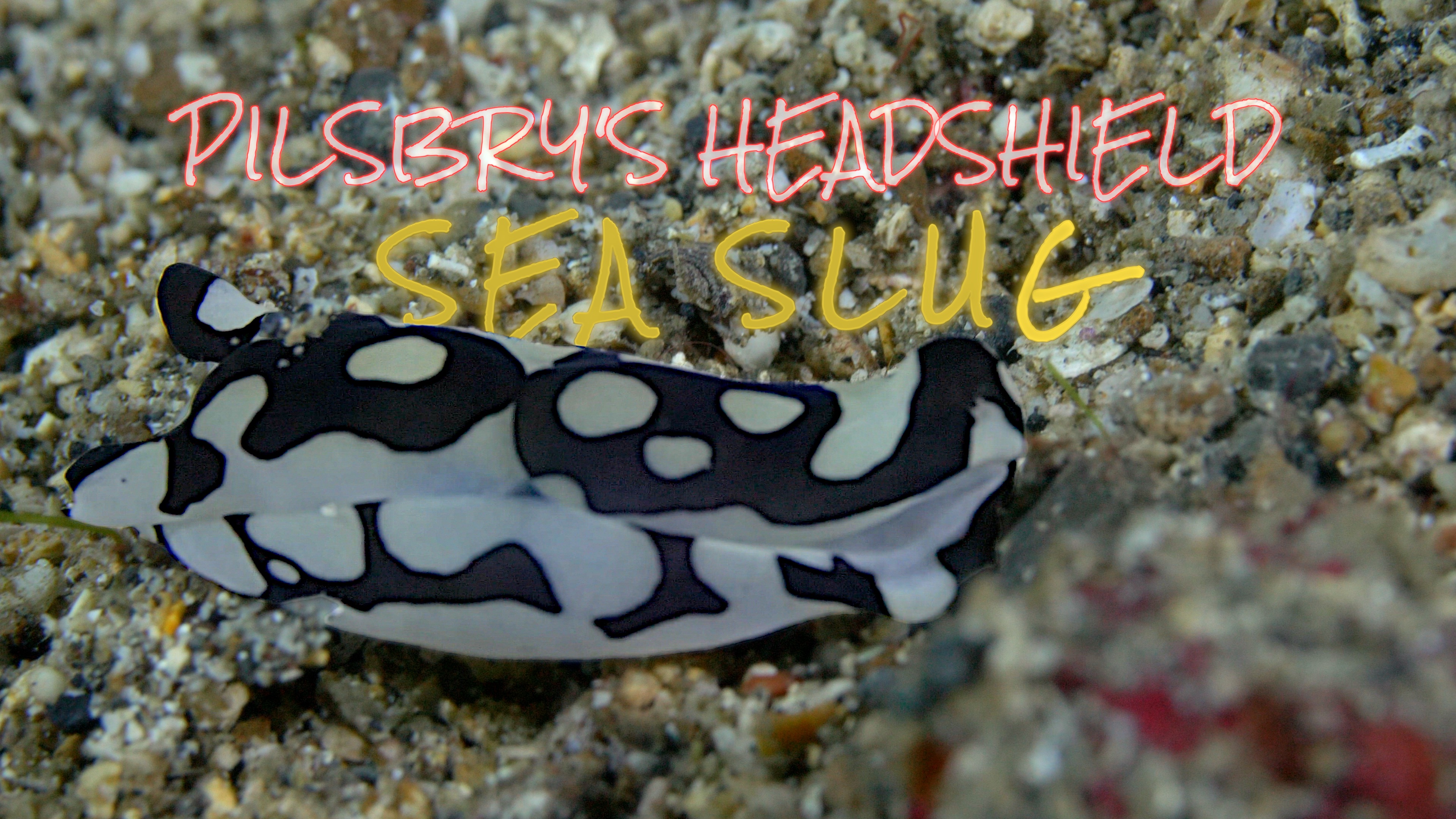
Pilsbry’s Headshield Slug: The Black & White Sea Slug That’s Not a Nudibranch
The Pilsbry’s Headshield Slug, Tubulophilinopsis pilsbryi, is often misidentified as a nudibranch but belongs to the Cephalaspidea order. This carnivorous sea slug uses its broad head shield to hunt prey in sandy sediments. Found in the Indo-Pacific, it’s distinguished by its variable black and white coloration, making sightings rare and exciting.
-
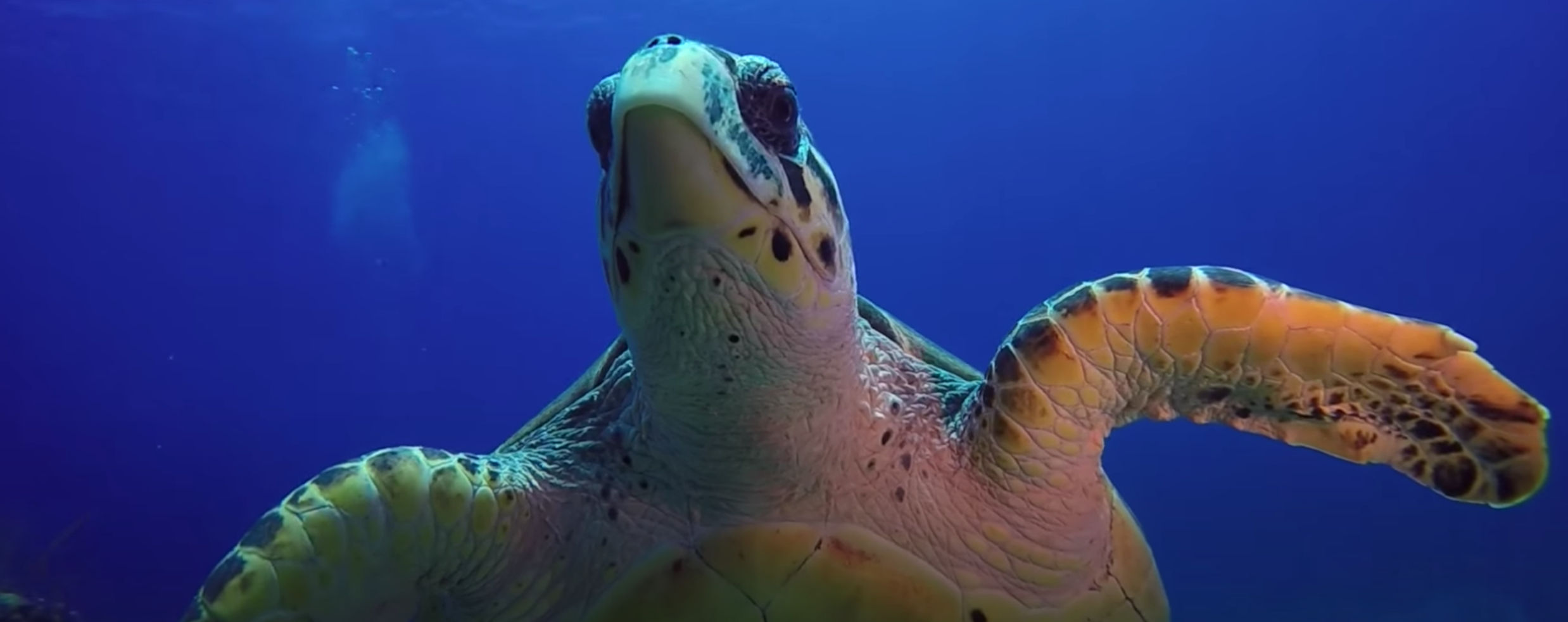
Four Unforgettable Warm Water Diving Destinations
Warm water diving provides unique adventures across diverse destinations. Belize offers stunning coral reefs and the Great Blue Hole, while Raja Ampat showcases rich marine biodiversity. Nassau features thrilling encounters with turtles and sharks, and Bonaire is ideal for solo divers with accessible shore dive sites. Each location promises unforgettable experiences.
-
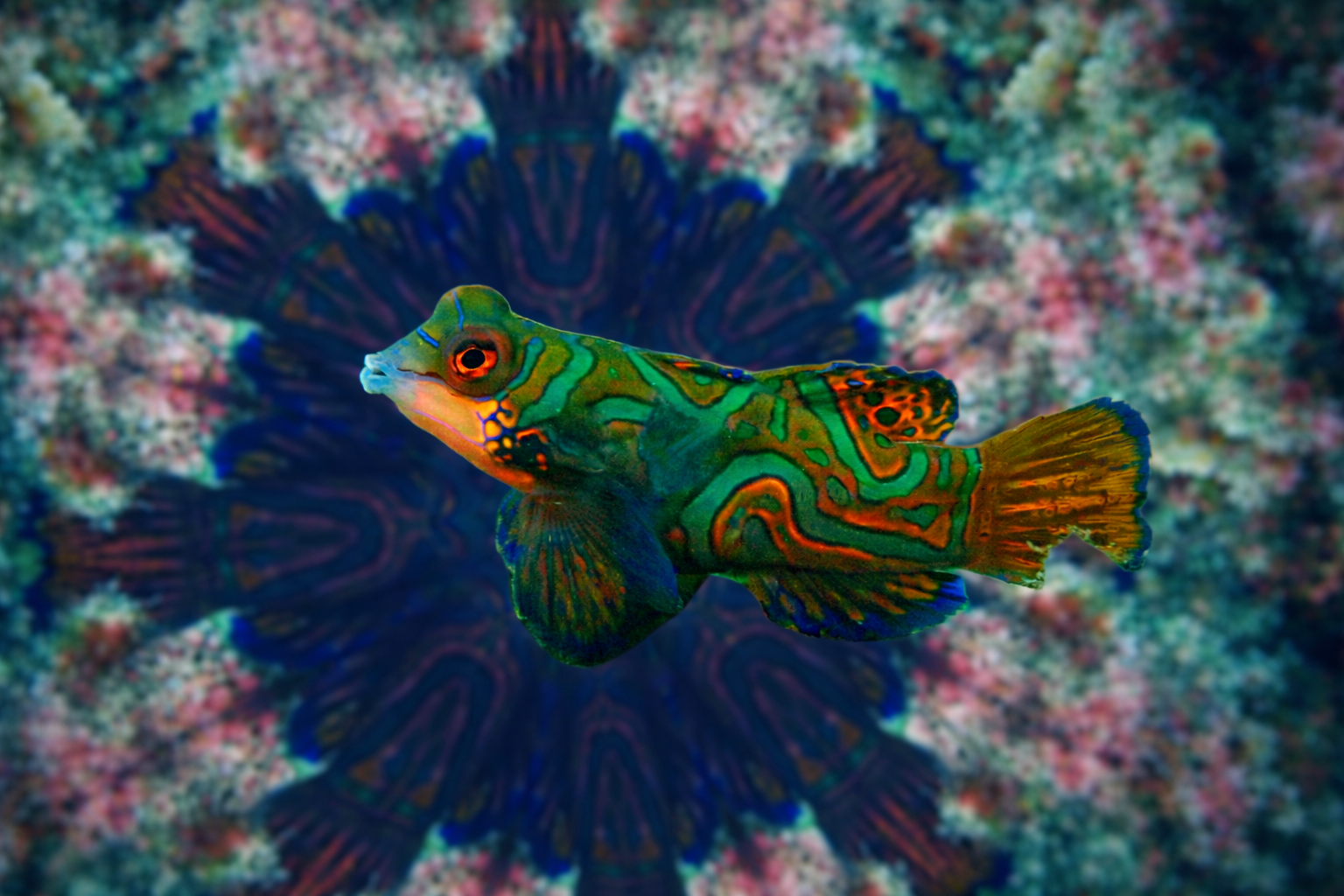
Mandarinfish Reimagined: An Oceanic Abstraction
The Elusive Mandarinfish, or Synchiropus splendidus, is a vividly colored reef fish known for its elusive nature. Active during dusk in Indonesia’s Lembeh Strait, it captivates observers with its striking patterns. A digital remix of its movements explores the interplay between marine life and abstract geometry, prompting viewers to choose their preferred representation.
-
Mandarinfish in Lembeh Strait: Color, Camouflage, and Calm at Dusk
Mandarinfish (Synchiropus splendidus) are shy, reef-dwelling fish that emerge at dusk, showcasing their vibrant colors through a rhythmic movement. Filmed in the Lembeh Strait, known for its biodiverse habitats, the encounter captures the serene beauty of a solitary mandarinfish, highlighting its unique morphology and remarkable cyan pigments.
-
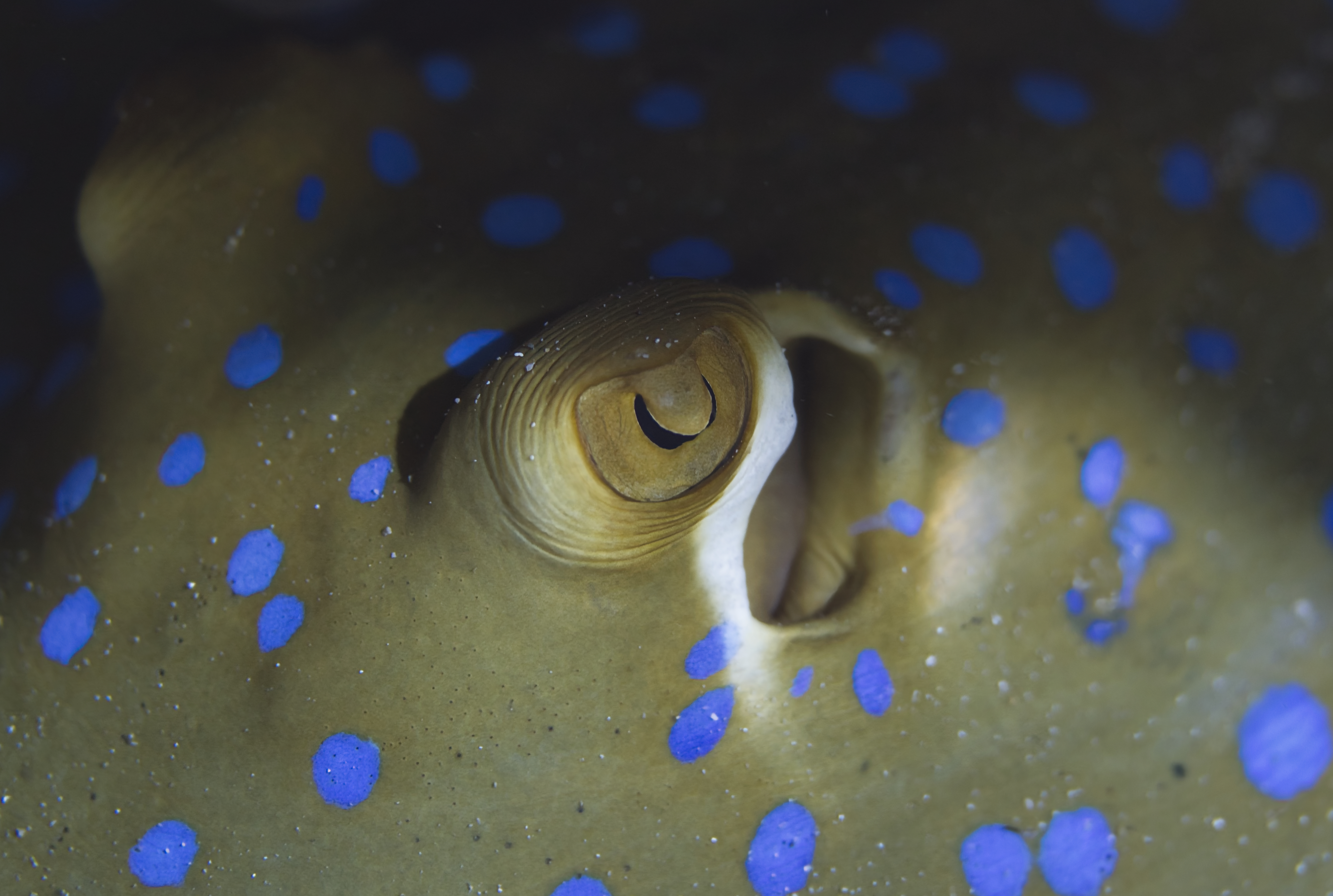
The Eye of the Bluespotted Ribbontail Ray
The Bluespotted Ribbontail Ray, or Taeniura lymma, is a striking Indo-Pacific creature known for its vibrant blue spots on a golden-olive body. Typically found in shallow coastal waters, it can be identified by its small size and blue-striped tail. Although not aggressive, it possesses venomous spines, requiring cautious observation. Its IUCN status is Least Concern,…
-
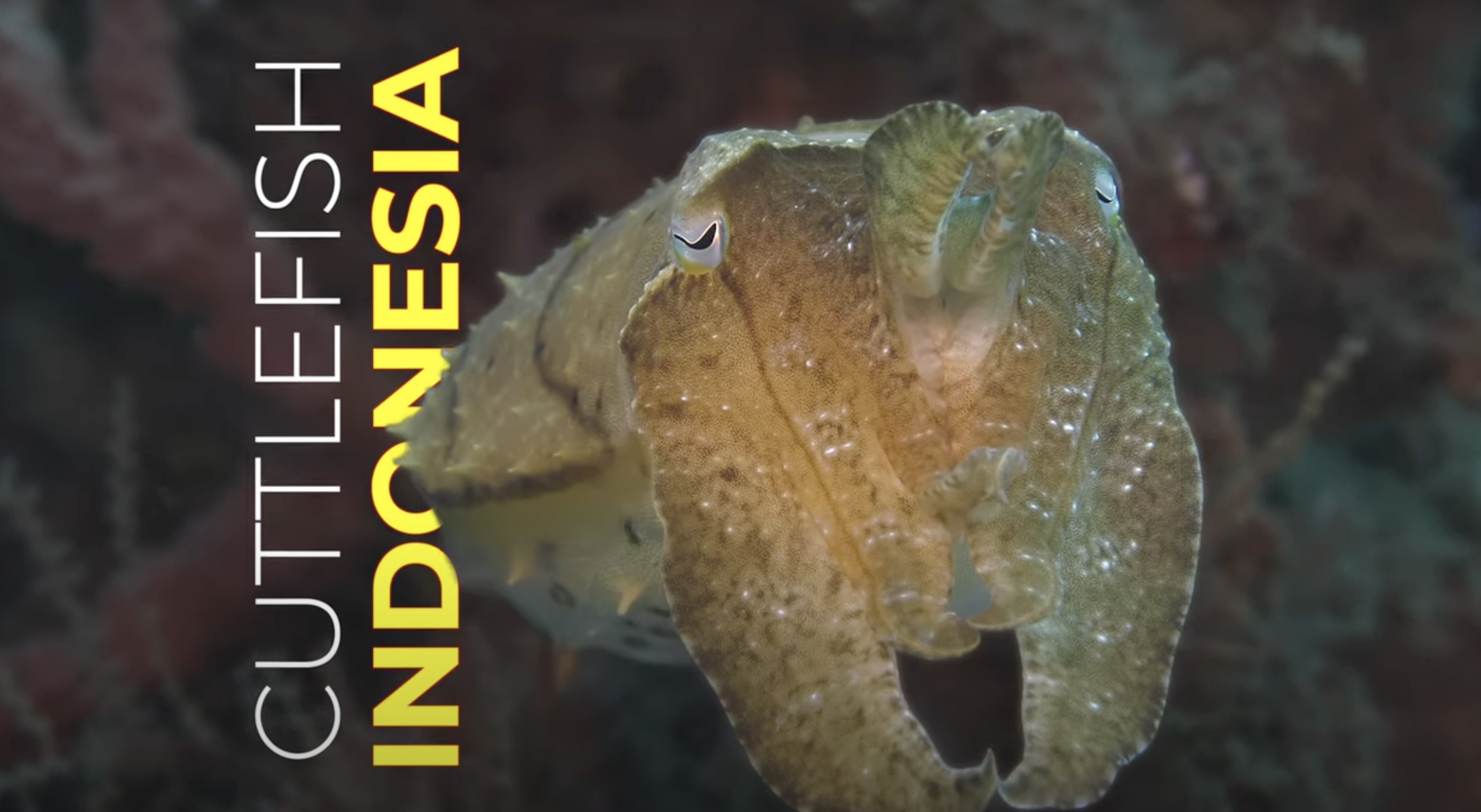
Observing a Pharaoh Cuttlefish (Sepia pharaonis) in Indonesia’s Reefs
While diving off the coast of Indonesia, I recorded footage of a Pharaoh cuttlefish (Sepia pharaonis) in its natural habitat. This species is commonly found in the Indo-Pacific region and is known for its advanced camouflage abilities and dynamic skin patterning. The individual observed remained stationary for several moments, displaying a range of color changes…
-
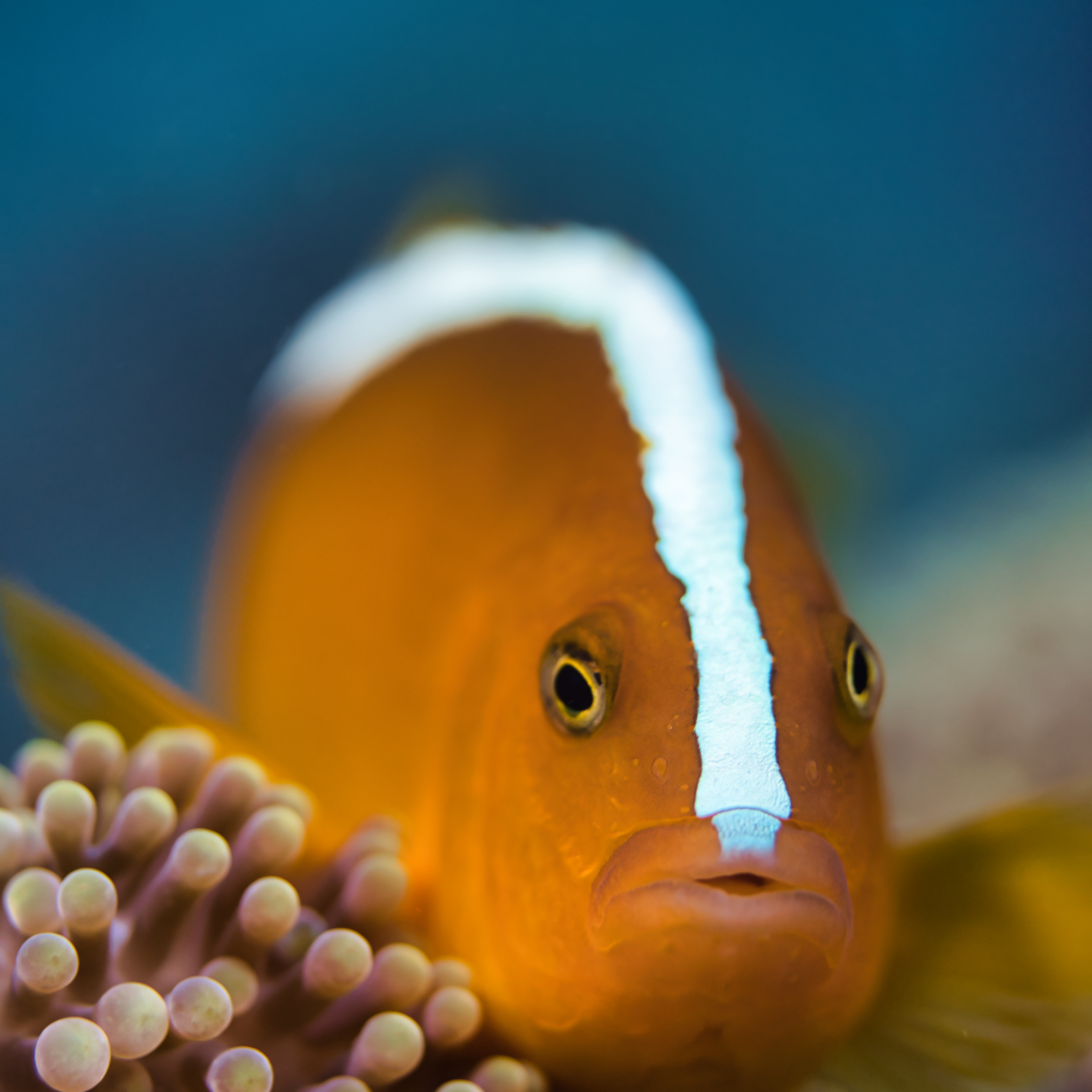
Wordless Wednesday – Orange Clownfish
In the ocean depths, colorful life thrives as an Orange Clownfish seeks refuge within the gentle embrace of an anemone.
-
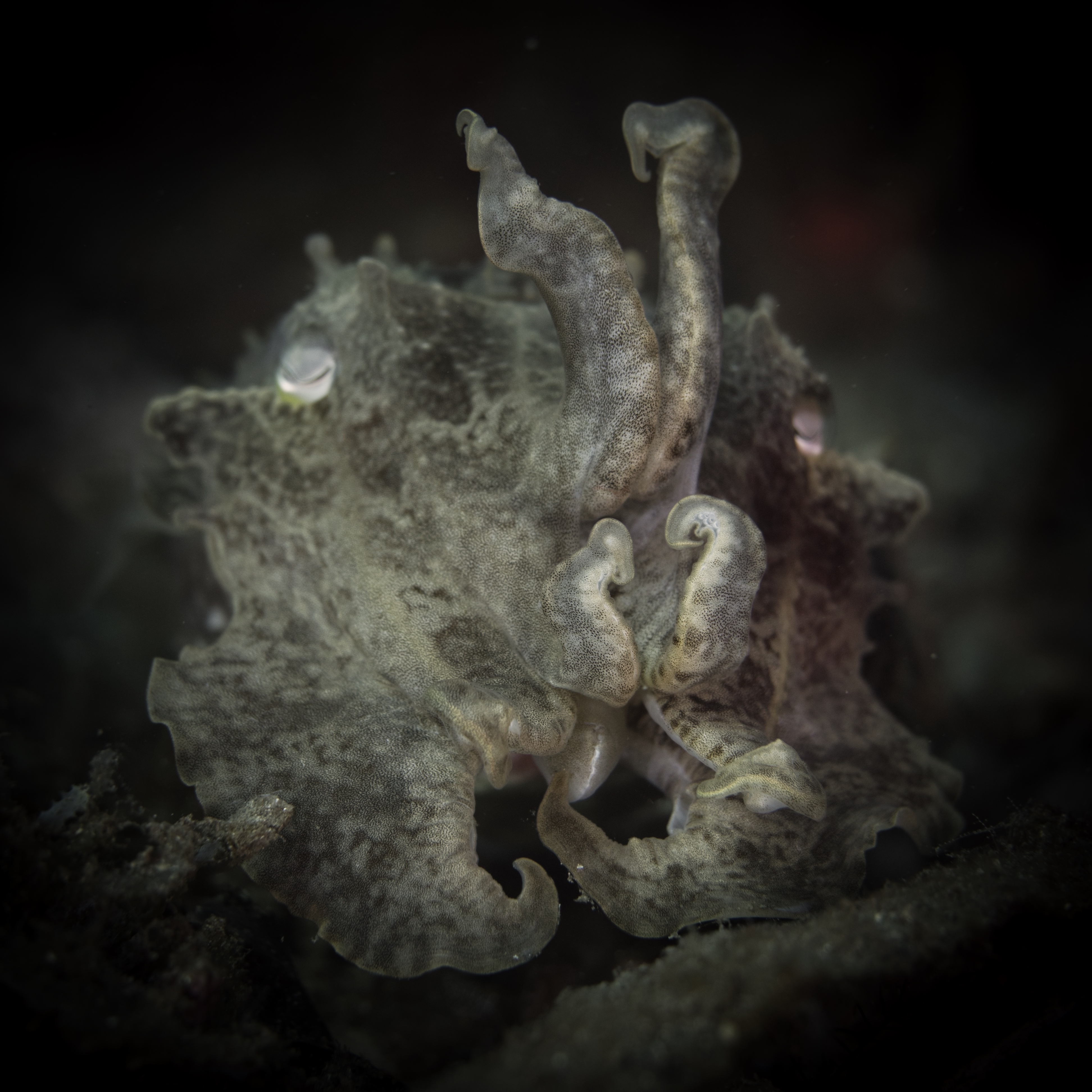
Color Shifting Cuttlefish
Cuttlefish, masters of camouflage, quickly change skin color and pattern using chromatophores, leucophores, and iridophores. This allows them to blend in, communicate, and fend off predators. Their color changes aid in mating rituals, aggression signaling, and ambushing prey. This remarkable ability showcases their sophisticated survival strategies and intelligence.