
Scuba Diving
Welcome to the hub of my underwater adventures. This archive collects my experiences, travel reports, and photography from around the globe, celebrating the incredible world of scuba diving. Whether you are looking for trip inspiration, gear insights, or simply want to explore the ocean’s depths through my lens, you’ll find it all right here.
-
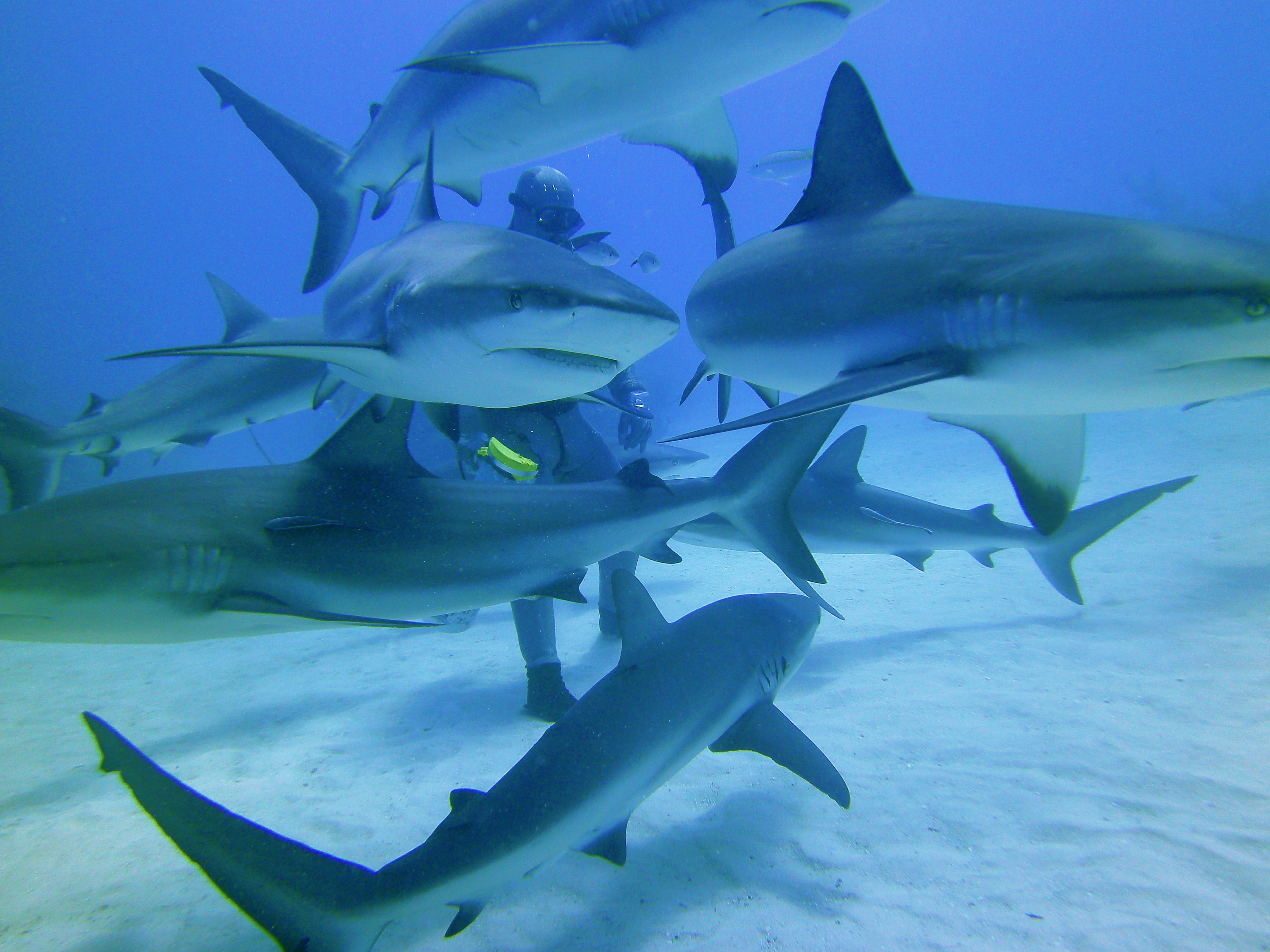
The Pivot Point: From Photos to Mostly Video
One of the first underwater videos I ever shot — a reef shark feeding dive off Grand Bahama with Cristina Zenato. Looking back, it marks the beginning of a pivot I didn’t fully recognize at the time: from a photography-first approach to shooting much more video.
-
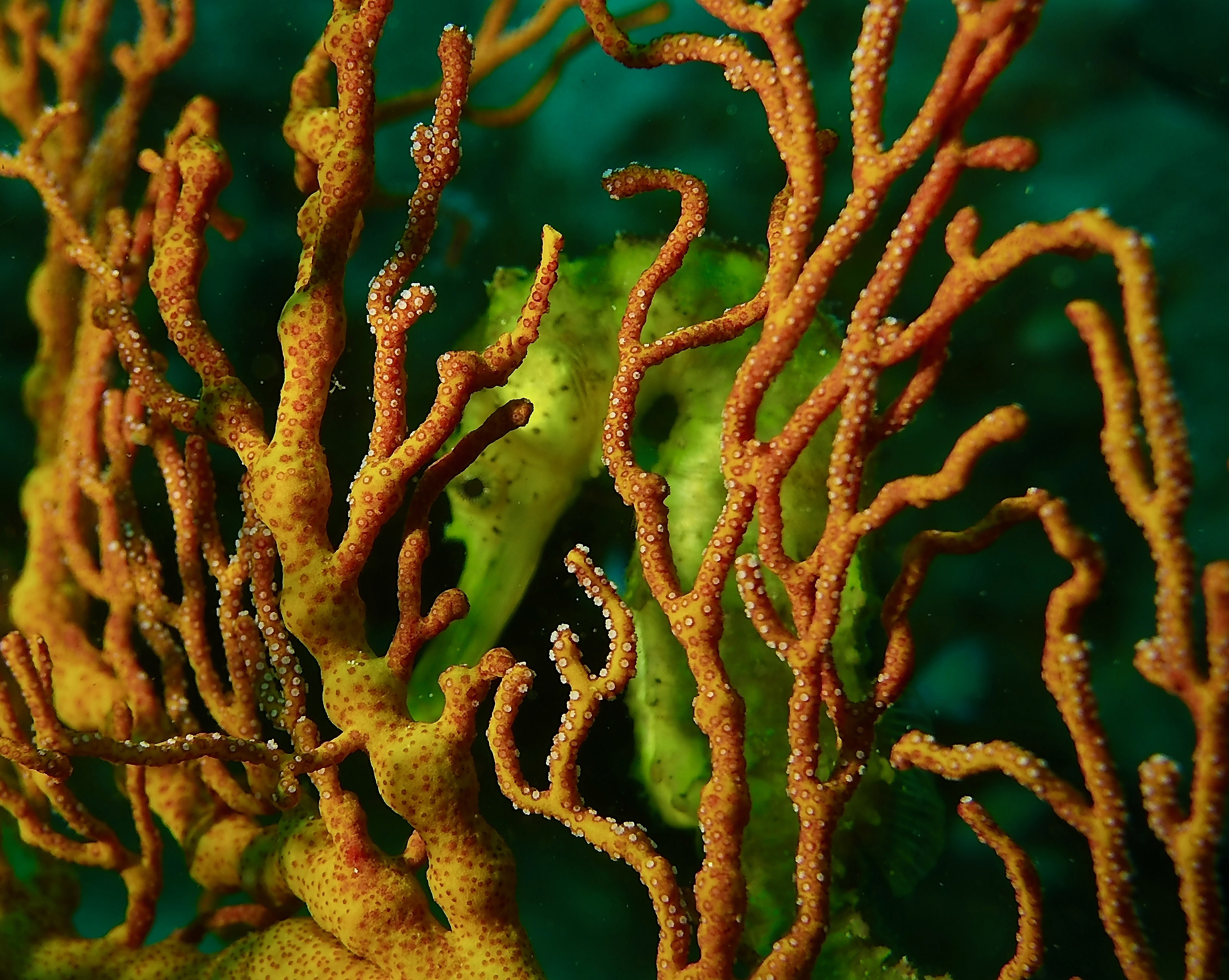
Yellow Longsnout Seahorse (Hippocampus reidi) – Curaçao
Curaçao · Caribbean · Marine Life Underwater footage of a yellow Longsnout Seahorse (Hippocampus reidi) moving through the reef in Curaçao. An unlikely pop of gold. The Longsnout Seahorse (Hippocampus reidi) can shift between cream, orange, brown, and yellow to match its surroundings. Watching one work its way across the reef in full yellow is…
-

Why Mozambique’s Coral Reefs Are Thriving
Mozambique · Indian Ocean · World Ocean Day Many reefs are being pushed to their limits by warming seas, bleaching, and habitat loss. Tofo Beach, on Mozambique’s Inhambane coast, tells a more complicated story. It is not untouched, and it is not immune from pressure — but it is a productive reef system where oceanography,…
-
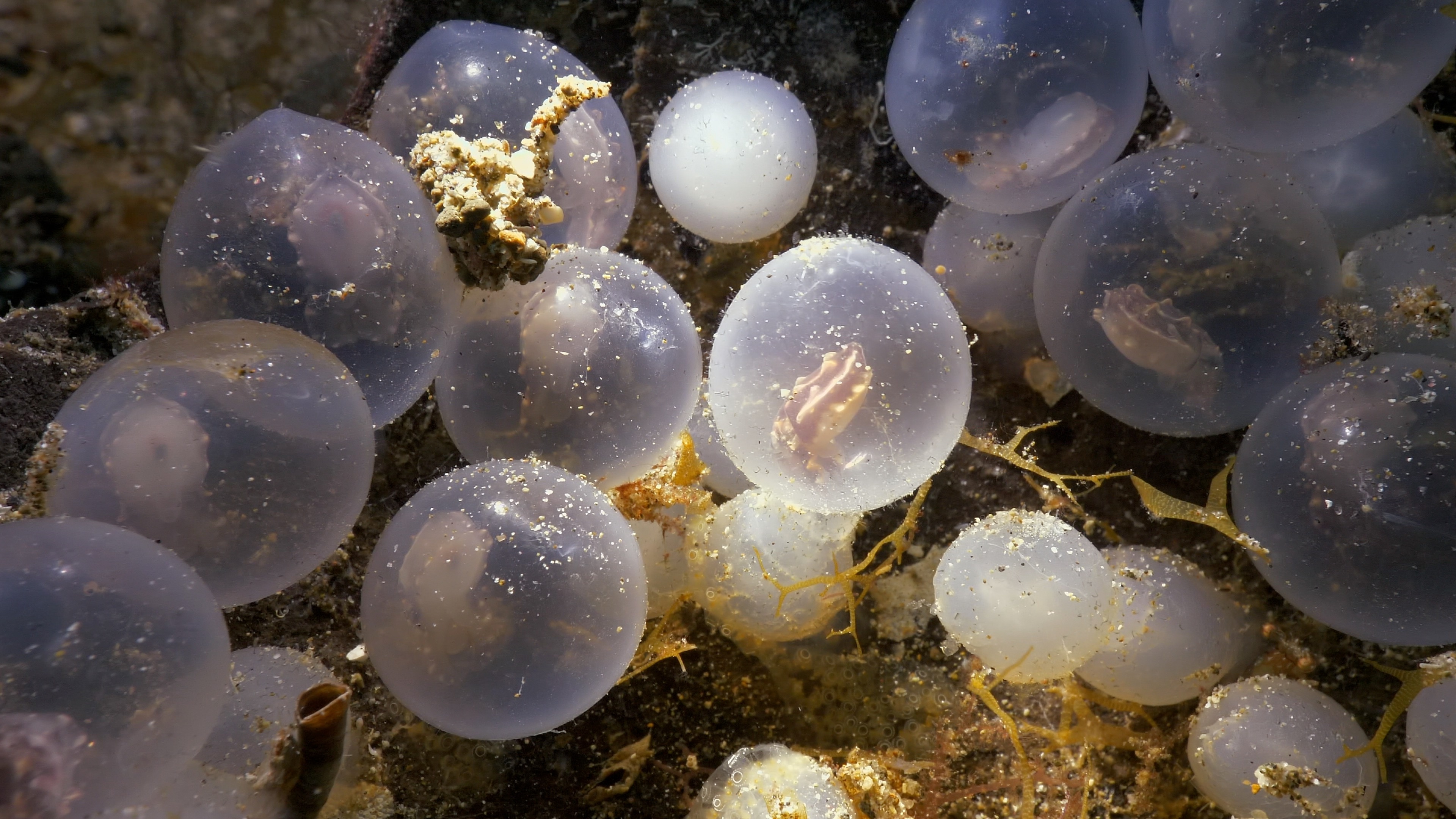
Flamboyant Cuttlefish Embryos Developing Inside the Egg — Anilao
The flamboyant cuttlefish, Metasepia pfefferi, is a notable cephalopod in the Indo-Pacific, particularly cherished by divers in Anilao, Philippines. Its translucent eggs reveal developing embryos exhibiting early color-changing abilities. After 35–40 days, hatchlings emerge fully independent, embodying adult traits. This species uniquely “walks” on the seafloor, primarily hunting in shallow waters.
-
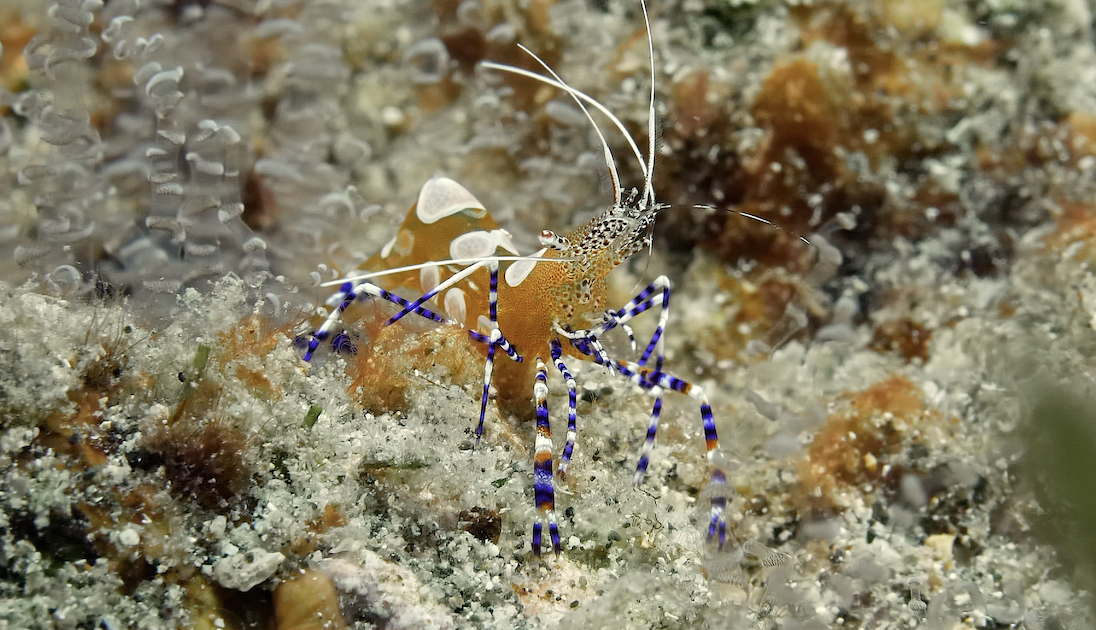
Spotted Cleaner Shrimp
Creature Feature · St. Vincent Spotted Cleaner Shrimp open for business The spotted cleaner shrimp is all antennae, nerve, and purpose. Barely more than a centimeter long, it lives on Caribbean reefs and signals to fish many times its size, offering a service that keeps both sides alive. It picks parasites, dead skin, and debris…
-
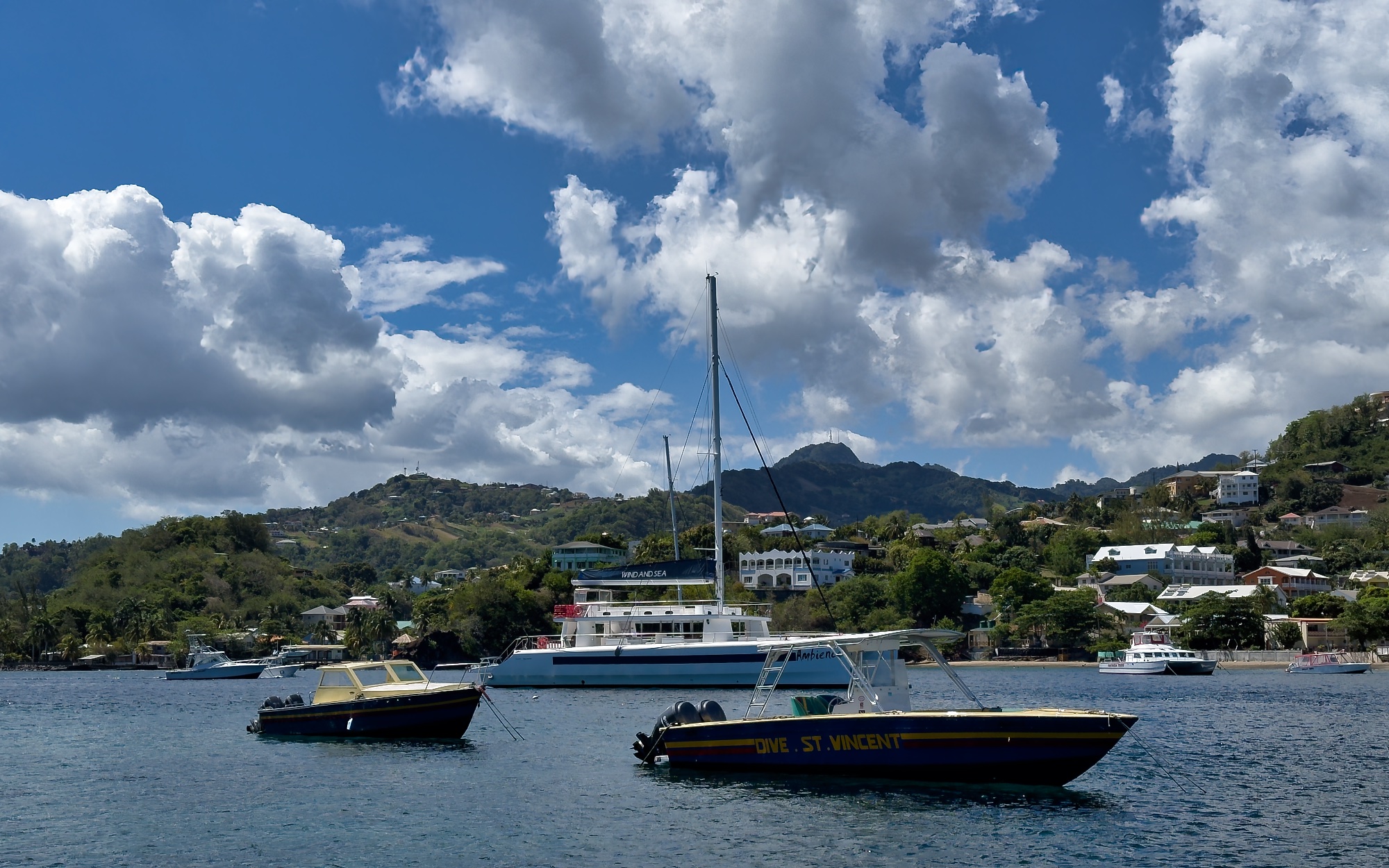
Chasing Clouds – Young Island
This month’s Chasing Clouds series features St. Vincent and the Grenadines, showcasing stunning diving experiences and captivating weather shifts. After arriving at Argyle International Airport, the journey unfolds on Young Island, where vibrant sunsets transform the landscape. The evening sky evolves from soft pastels to rich hues, creating picturesque silhouettes against the Caribbean Sea.
-
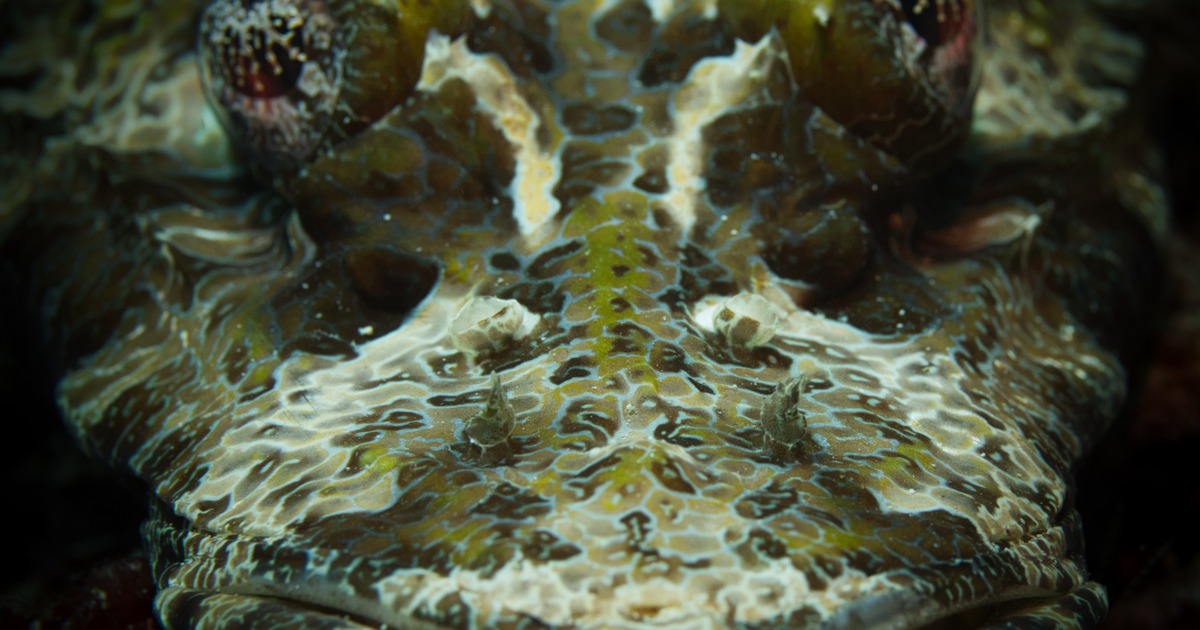
Crocodile Fish
Crocodilefish are masters of hiding in plain sight. Found across shallow Indo-Pacific and Red Sea reefs, these ambush predators rely on incredible camouflage, patience, and a wide, flattened profile to disappear against the seafloor.
-
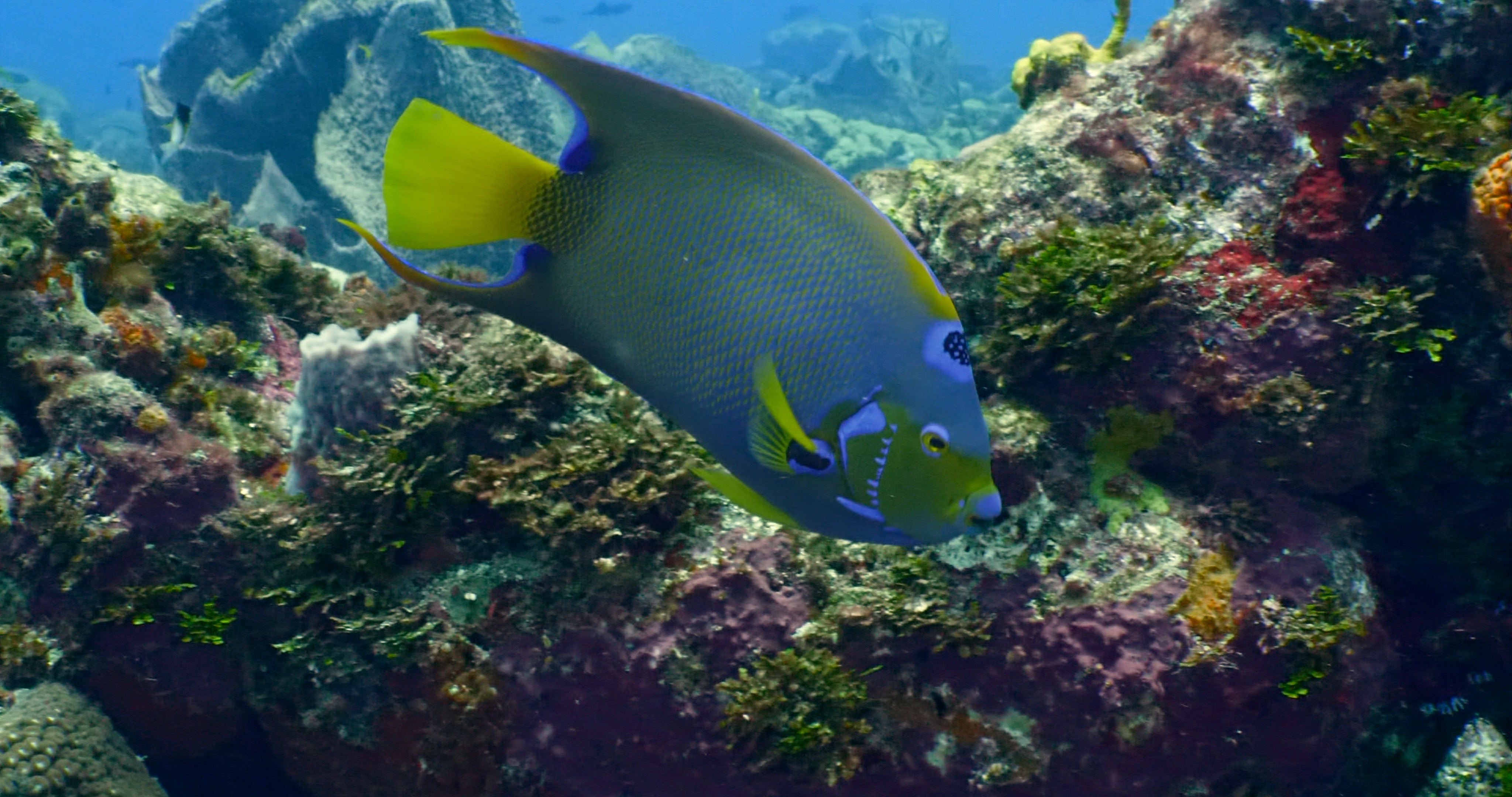
Queen Angelfish (Holacanthus ciliaris) – Tobago
The Queen Angelfish, known scientifically as Holacanthus ciliaris, is a vibrant and inquisitive species found in the Caribbean, particularly in Tobago’s nutrient-rich waters. Identifiable by a distinctive crown-like marking and striking coloration, they play a crucial role in reef ecology by managing sponge populations, thriving within diverse coral habitats.
-
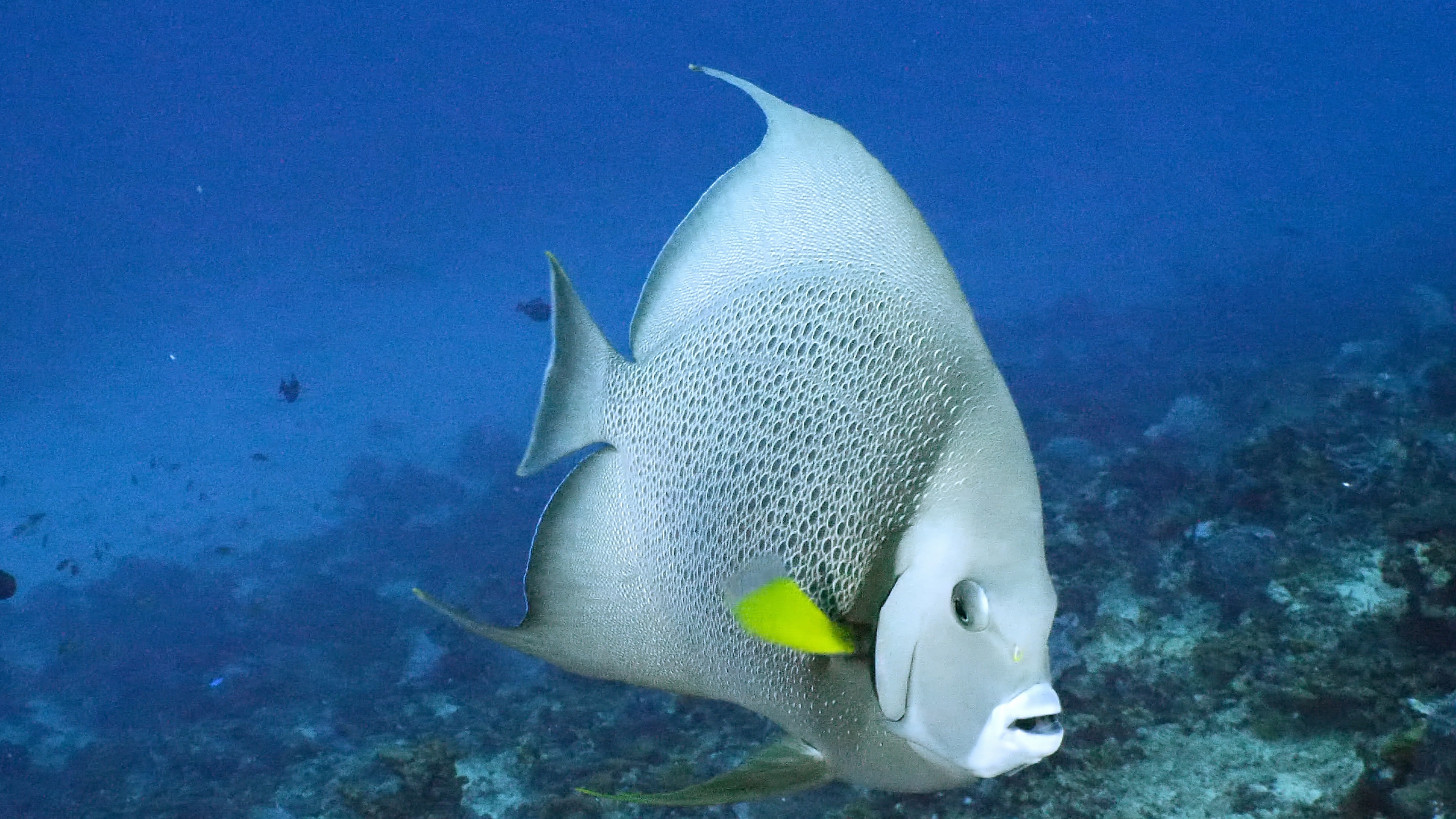
Gray Angelfish (Pomacanthus arcuatus) – Tobago
The Grey Angelfish, notable for its elegant profile and serene demeanor, thrives in the Caribbean reefs. Unlike the vibrant Queen Angelfish, it showcases intricate grey patterns and is identified by its pale mouth and yellow fin details. These fish are social, territorial sponge-eaters essential for reef health.
-

120 Million Years in the Ocean
Sea turtles are ancient reptiles that have existed for about 120 million years, surviving significant extinction events. With seven species, most are threatened due to human impact, including pollution and climate change. They play crucial ecological roles, and conservation efforts are essential to ensure their survival for future generations.