
Philippines Scuba Diving
Located at the heart of the Coral Triangle, Philippines scuba diving is a dream for underwater photographers. This section highlights the incredible biodiversity found in the region, featuring world-class macro critter hunting in Dumaguete, vibrant coral gardens, and the sheer variety of marine life that makes this archipelago a must-visit.
-
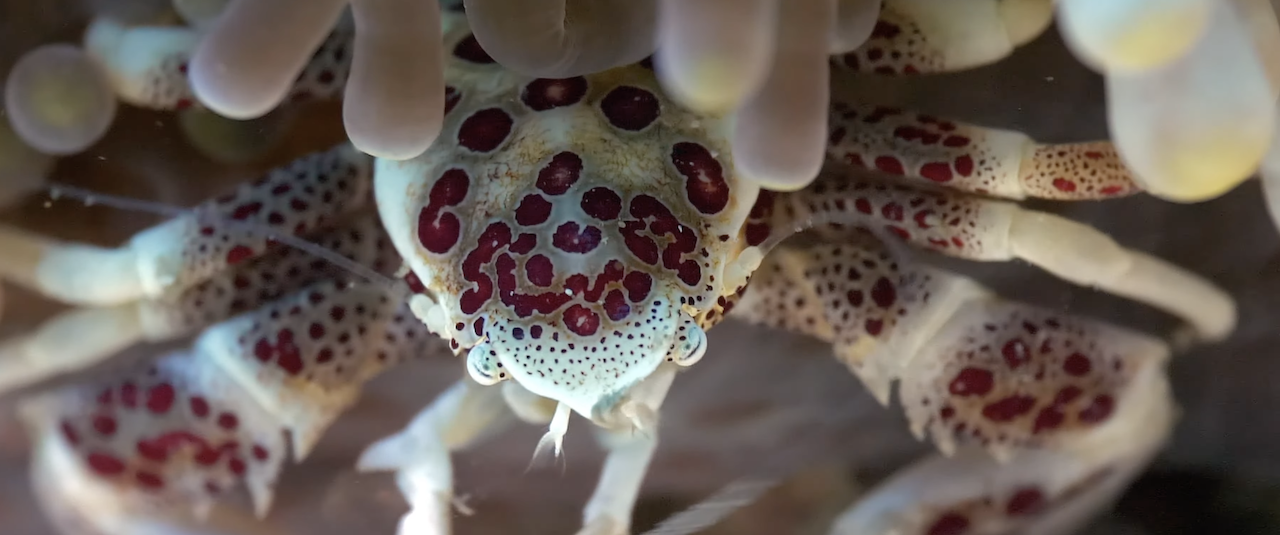
Spotted Porcelain Crab
In Puerto Galera, Philippines, the spotted porcelain crab (Neopetrolisthes maculatus) resides in sea anemones, using their stinging tentacles for protection. This species, a filter feeder, utilizes specialized mouthparts to capture plankton while its oversized claws serve for territory defense rather than hunting. Their adaptation reflects a unique evolutionary lineage within crustaceans.
-
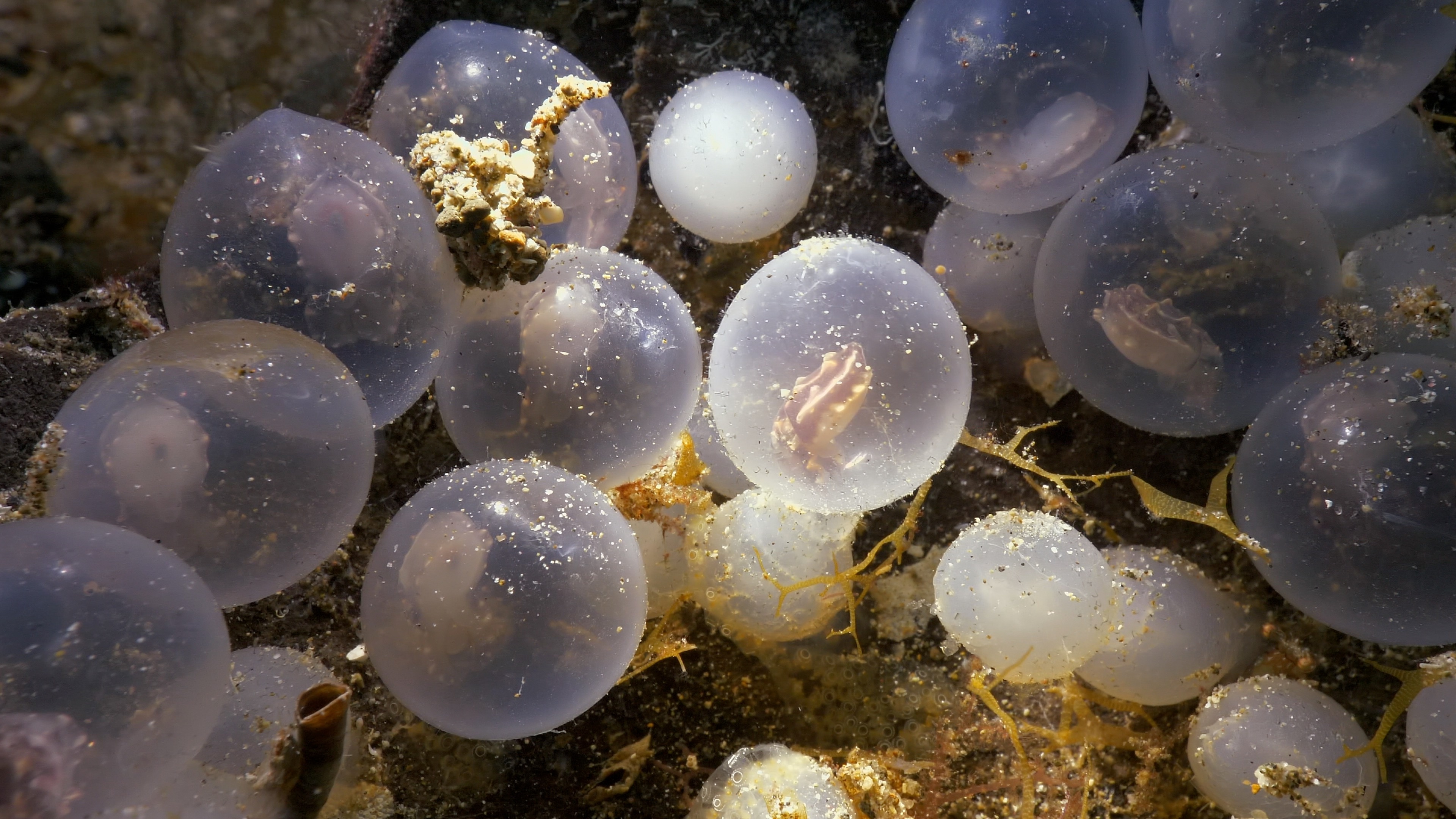
Flamboyant Cuttlefish Embryos Developing Inside the Egg — Anilao
The flamboyant cuttlefish, Metasepia pfefferi, is a notable cephalopod in the Indo-Pacific, particularly cherished by divers in Anilao, Philippines. Its translucent eggs reveal developing embryos exhibiting early color-changing abilities. After 35–40 days, hatchlings emerge fully independent, embodying adult traits. This species uniquely “walks” on the seafloor, primarily hunting in shallow waters.
-
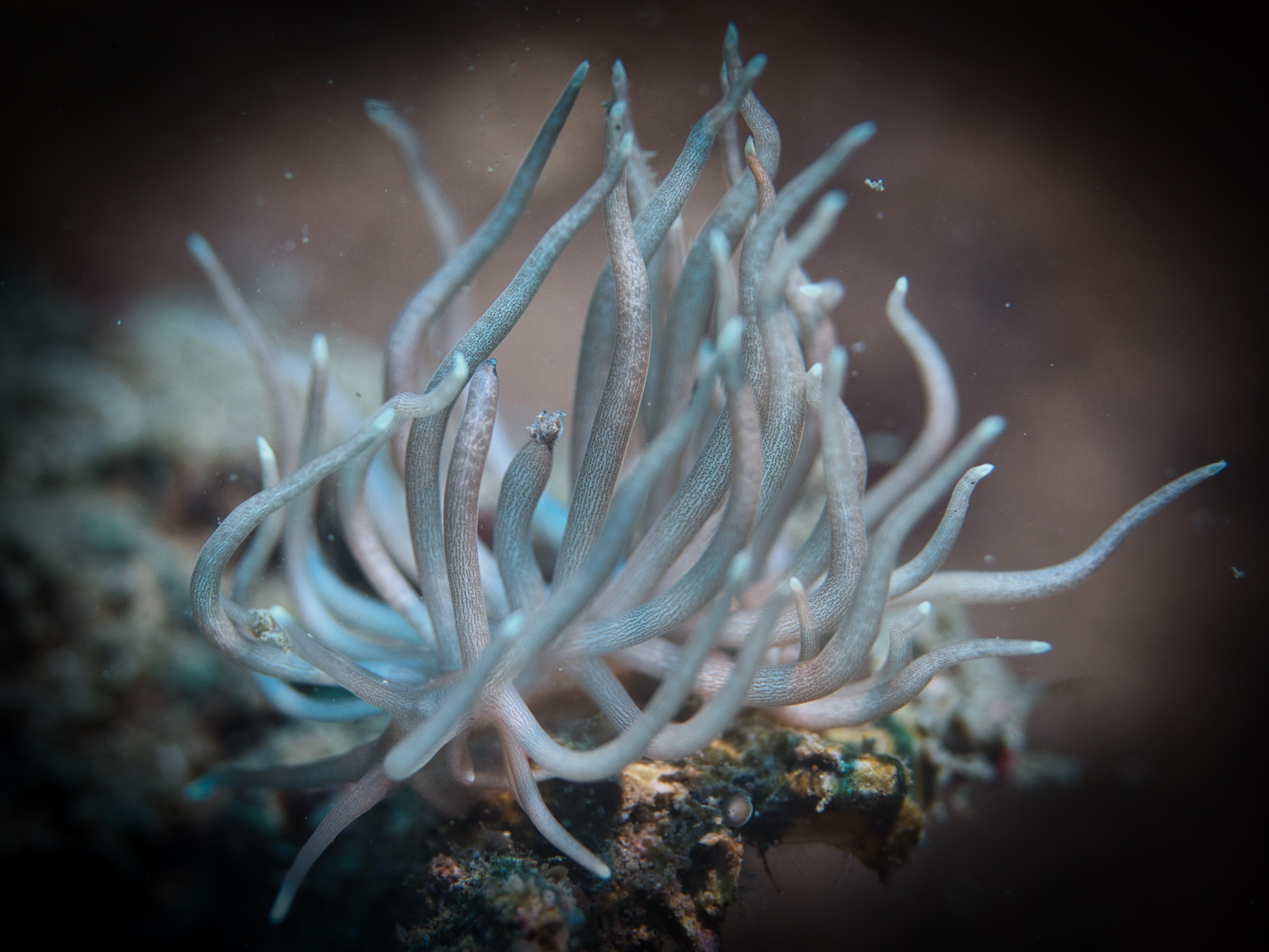
Phyllodesmium briareum Mimicking Soft Coral on the Reef — Puerto Galera
Phyllodesmium briareum, or the Yellow-tipped Phyllodesmium, is a solar-powered nudibranch that mimics soft corals in the Philippines. With translucent bodies and elongated cerata, they blend into their environment, making them hard to spot. They utilize symbiotic algae for nutrients and can shed cerata to evade predators.
-

Juvenile Orange Frogfish (Painted Frogfish) Walking the Reef
The juvenile orange frogfish, or Antennarius pictus, is a unique ambush predator found in the Indo-Pacific. It employs mimicry to blend into its surroundings and walks across reefs using modified fins instead of swimming. Its stillness allows it to remain hidden while awaiting prey, making it a fascinating sight for divers.
-

Chromodoris Annae (Anna’s Magnificent Sea Slug)
Chromodoris annae, a vibrant blue nudibranch from the Indo-Pacific, captivates divers with its striking coloration and unique reproductive strategy as simultaneous hermaphrodites. Found at depths of 15-100 feet, it primarily feeds on sponges. Puerto Galera is a top diving location for observing this magnificent species.
-

Yellow Nudibranch – Gymnodoris subflava
The Gymnodoris subflava, a vibrant yellow nudibranch found off Dumaguete, captivates divers and photographers alike. Growing up to 2.5 cm, this carnivorous gastropod displays bold coloration as an aposematic warning against predators. Its presence reflects the Philippines’ rich marine biodiversity and highlights the significance of a thriving reef ecosystem.
-
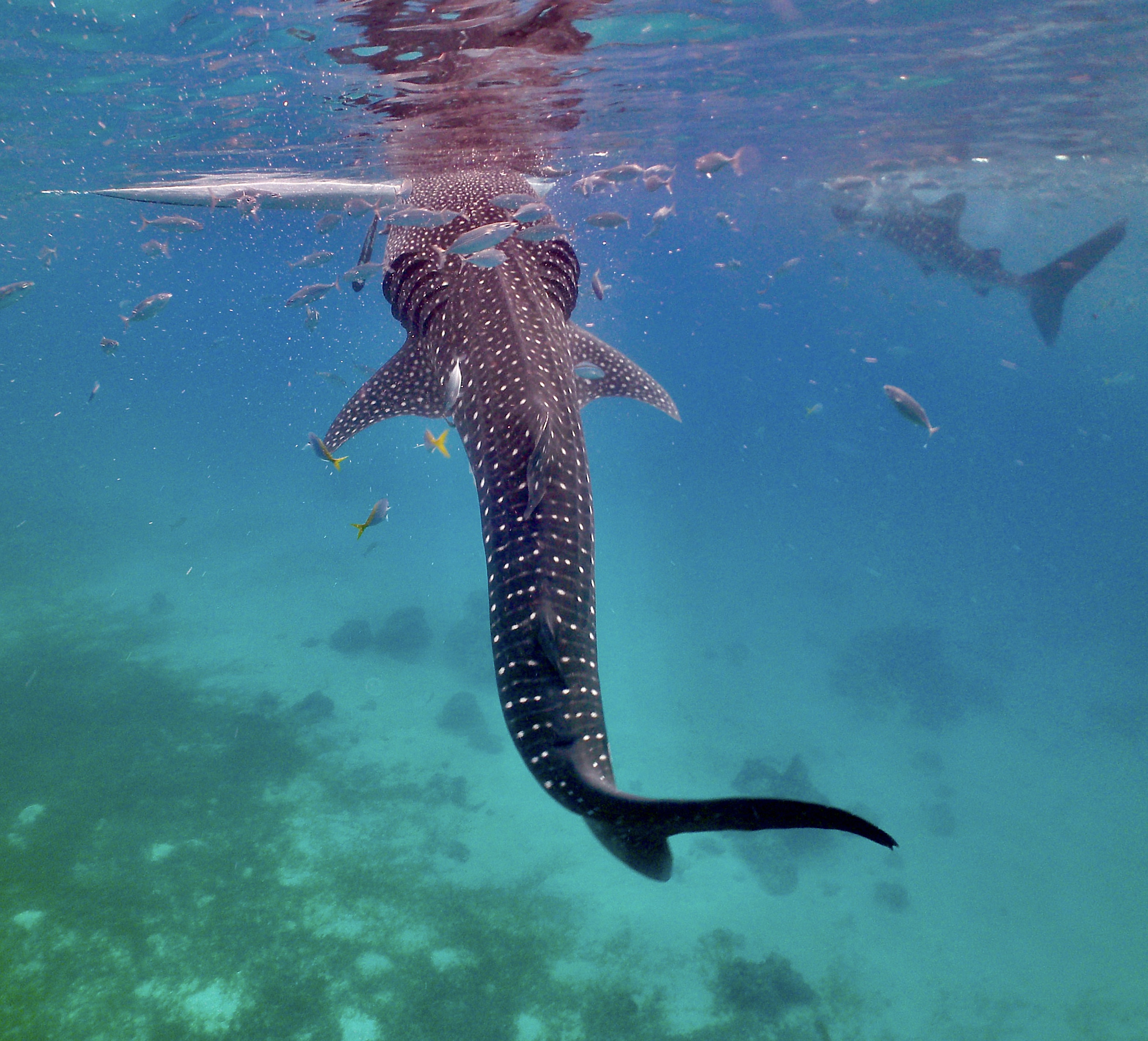
Majestic Giants of the Philippines: Whale Sharks in Oslob
Oslob, Philippines, is renowned for its encounters with whale sharks, the largest fish in the ocean, which can reach up to 12 meters. Fishermen attract them with small fish, drawing tourists for memorable experiences. Their unique markings aid in research, but feeding practices raise concerns about tourism’s impact on conservation and wildlife interactions.
-

Venomous and Mesmerizing: Meet the Striped Eel Catfish of Dauin
The striped eel catfish (Plotosus lineatus) is a common sight in the waters of Dauin, Philippines, especially in sandy or rocky areas near coral reefs. These fish are easy to recognize because of their long bodies, black and white stripes, and whisker-like barbels around their mouths. The barbels help them feel around for food in…
-
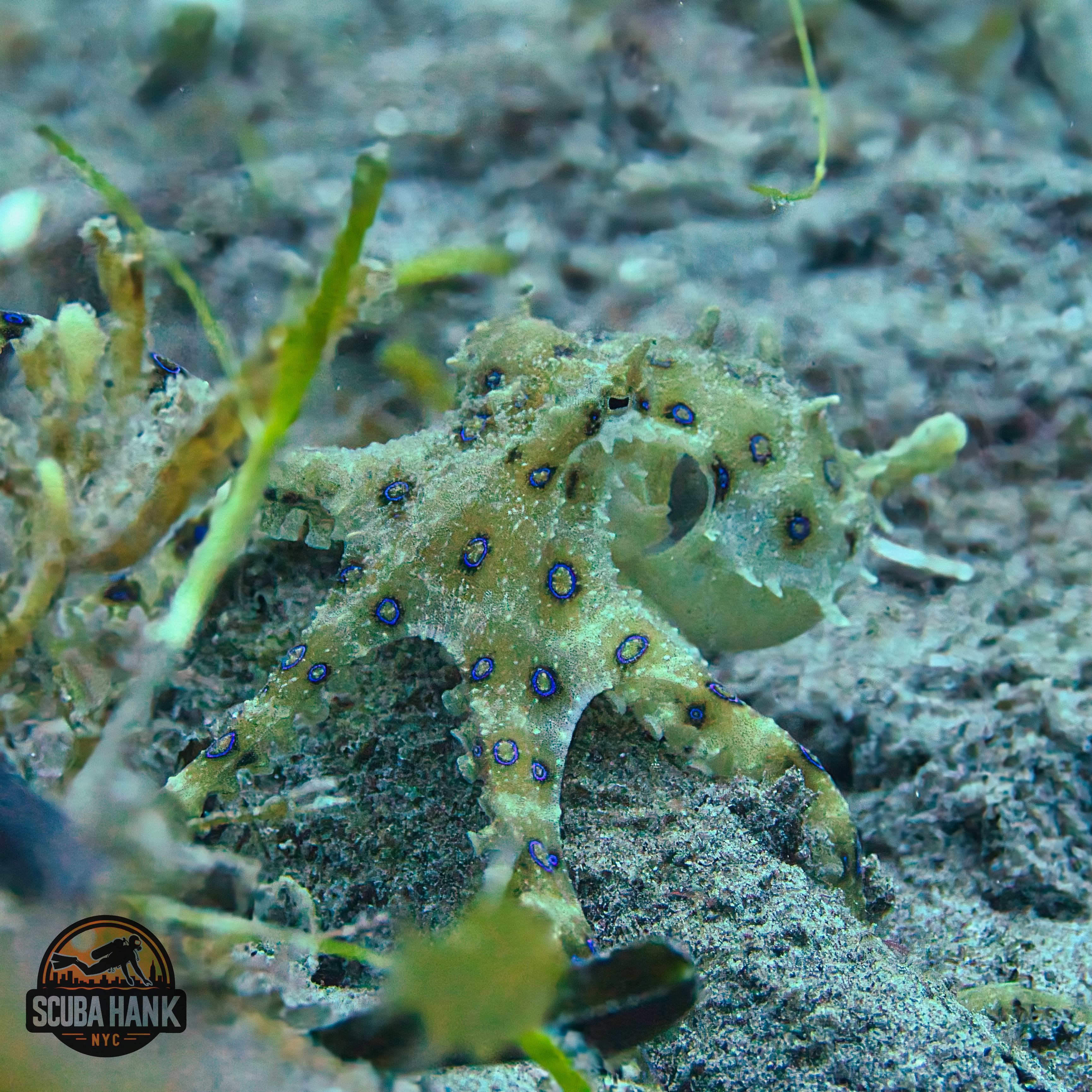
Blue-Ringed Octopus: Small, Stunning, and Seriously Dangerous
During a dive in Dauin, Philippines, I encountered the Blue-ringed octopus, a small cephalopod that displays neon-blue rings when threatened. Known for its potent neurotoxin, it poses a danger despite appearing calm. Responsible divers admire its beauty from a distance, making it a sought-after sight for underwater photography.
-

Anemonefish Parenthood: Protecting the Next Generation on a Green Bottle
Saddleback anemonefish exhibit remarkable parenting behaviors as they protect their eggs, which are uniquely laid on an abandoned green bottle instead of traditional surfaces. Filmed in the Philippines, the video showcases their aggressive defense against threats and emphasizes their adaptability and social structure within the marine ecosystem.