
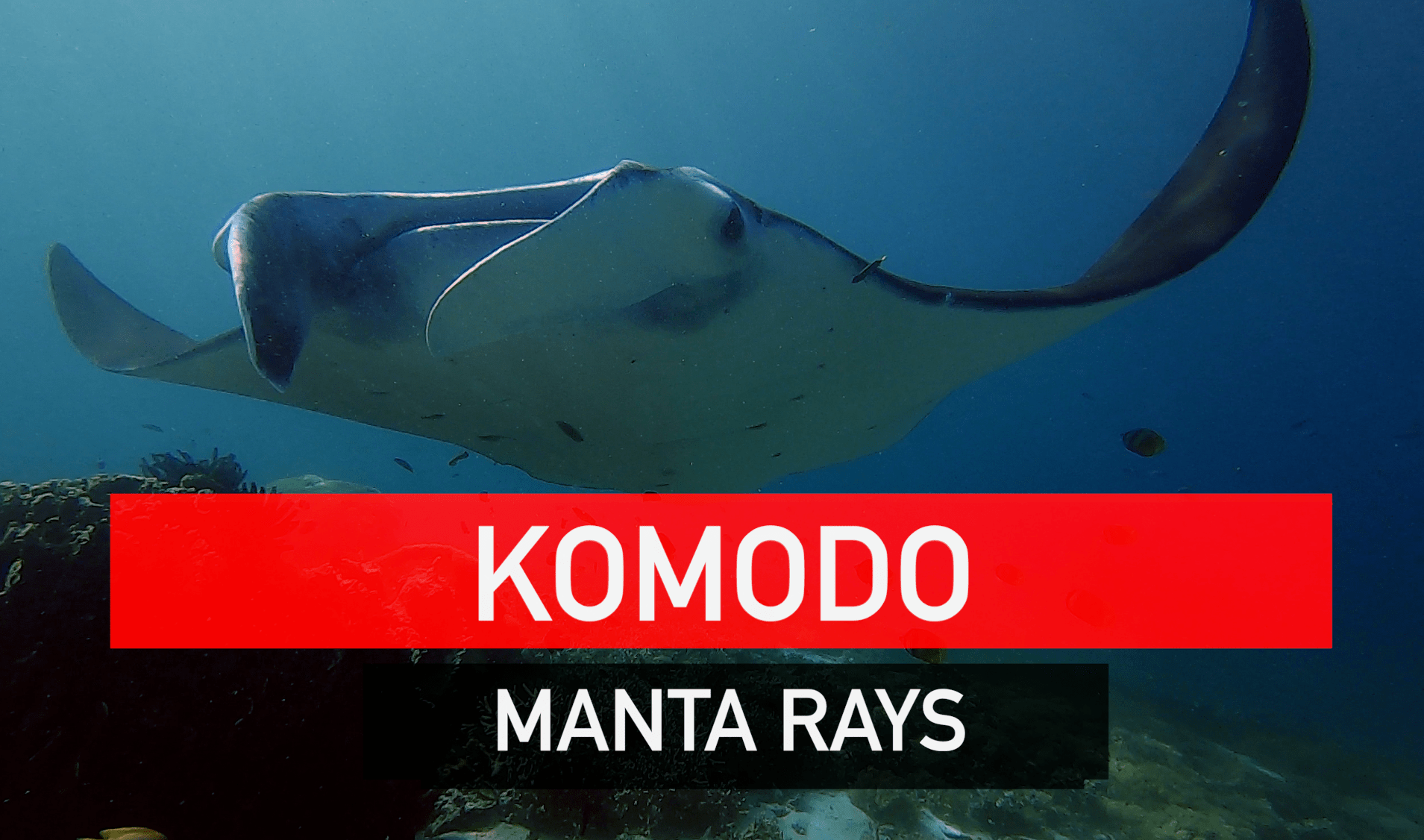
The first time I saw a Manta Ray while scuba diving was in Raja Ampat, Indonesia. The breathtaking experience lasted only one or two minutes before the Manta swam away. However, spending 90 minutes looking for them was definitely worth while. And since that trip, Manta dives have never disappointed.
During my recent trip to Komodo National Park, we had several encounters with Manta Rays. Some days, visibility wasn’t great for underwater photography, but being there was dazzling. There were at least 2 dives with nearly perfect visibility. The dive team dropped us off at ideal positions for observing these creatures. At some dive sites, we were close enough to touch. But of course, I didn’t touch any of these majestic creatures. The video below captures some of the moments.
Manta Rays are one of the largest residents in this Indonesia Marine Park. Mantas can be observed year round in Komodo Island, often around cleaning stations. There are two Manta Ray species that inhabit Komodo: Manta Ray (Manta Alfredi) and Giant Manta Ray (Manta Birostris). Their average wingspan ranges from between 10-25 ft. and can weight up to 3,000 lbs. Mantas have a lifespan of 20-40 years. Mantas are identified by their spots under their bellies, similar to fingerprints. Overfishing, water pollution and climate change are the biggest threats to their existence.
A few dive trips before Komodo
After my first Manta Ray sighting in the wild, I went to Isla del Caño (Caño Island) in Costa Rica to observed more Manta’s. For a few months a year, a family of Manta Rays visit cleaning stations in the morning.
Next, I went to the Galapagos were I saw gigantic manta’s. Unfortunately, I have not finished editing footage from that dive trip. And last year, I spent a few days diving Manta Point located off the coast of Nusa Penida in Bali, Indonesia.
I think I might be Manta-obsessed!
The images in the Manta videos were taken with either a GoPro Hero 4 Silver, GoPro Hero 6 Black, or GoPro Hero 8 Black. My underwater camera set-up can be found here.
Related Manta Videos from the Logbook


FAQs
Where can you see manta rays in Komodo National Park, Indonesia?
The best places to see reef manta rays in Komodo include Manta Point and Mawan, where cleaning stations attract consistent manta activity in depths of 30 to 80 feet.
What are diving conditions like for manta rays in Komodo?
Conditions typically include 77°F to 84°F water temperatures, 40 to 80 feet visibility, and moderate to strong currents, especially around cleaning stations and channels.
When is the best time to see manta rays in Komodo National Park?
Manta rays are present year-round, but April through November offers the best balance of visibility and sea conditions, while December through March may have higher manta activity due to plankton blooms.




Leave a Reply to ScubaHankNYCCancel reply