
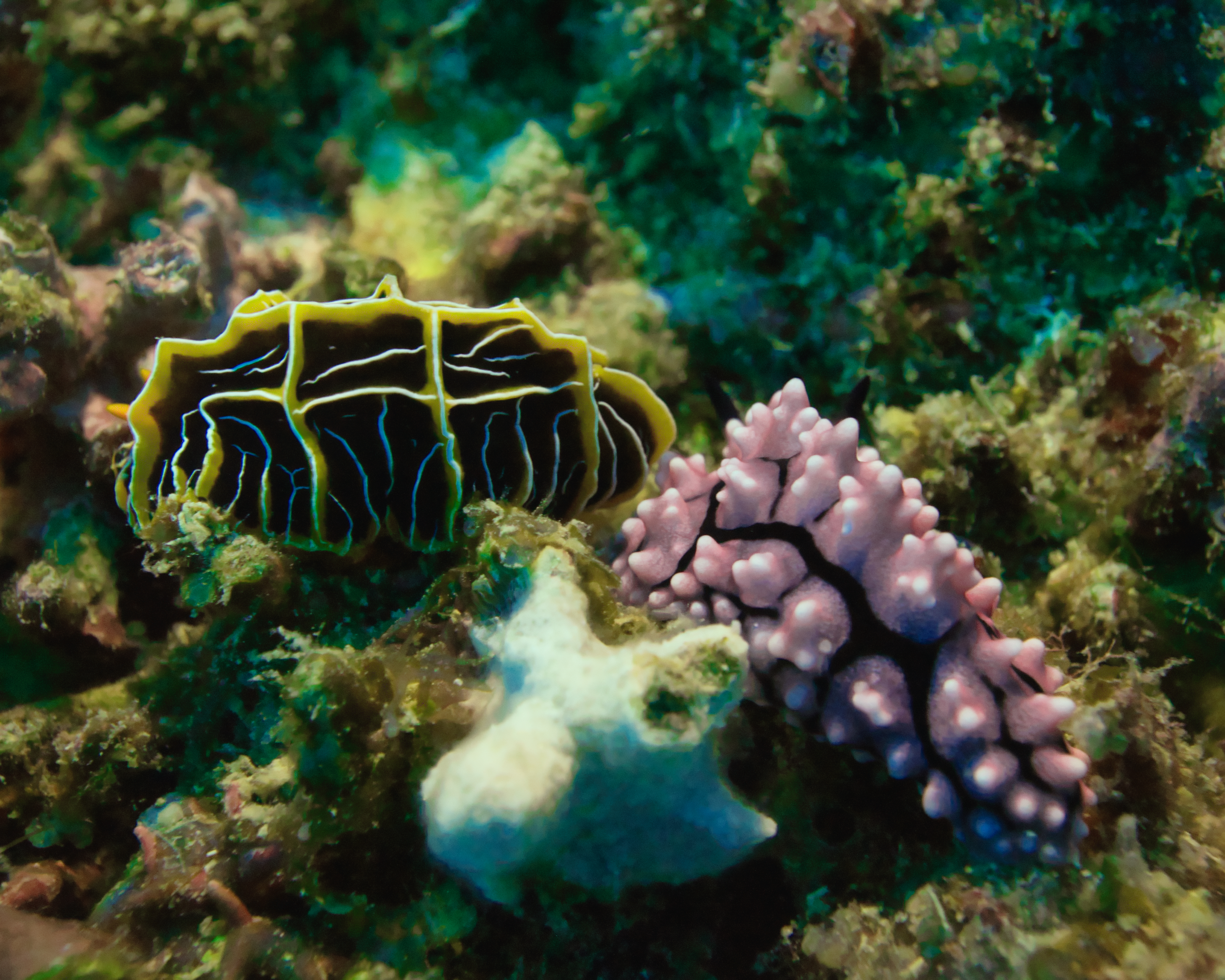
Every year on October 29th, marine enthusiasts around the world come together to celebrate National Sea Slug Day, a day dedicated to one of the ocean’s most extraordinary and colorful creatures: the nudibranch.
National Sea Slug Day was created to raise awareness about these incredible creatures and their vital role in marine ecosystems. The date coincides with the birthday of Terry Gosliner, a renowned marine biologist and nudibranch expert who has discovered over 1,000 species of these sea slugs. The day is an opportunity for divers, researchers, and nature lovers to appreciate the beauty and diversity of these animals, while highlighting the importance of ocean conservation.


Nudibranchs are often called “the jewels of the ocean” due to their vibrant colors and intricate patterns. Found in oceans worldwide, these soft-bodied mollusks are known for their stunning variety—there are over 3,000 known species, with new ones still being discovered. But their beauty is more than skin-deep.


Nudibranchs have evolved a wide array of defense mechanisms. Some species, like the iconic Glaucus atlanticus (blue dragon), feed on venomous creatures like Portuguese Man O’ War and absorb their stinging cells to protect themselves. Others use their bright colors to warn predators of their toxicity or to blend into their surroundings.


Despite their often bright appearances, many nudibranchs are experts at camouflage. Some species can mimic the colors and textures of their environment to evade predators or sneak up on their prey.


Nudibranchs can produce their own toxins or sequester toxic compounds from the prey they eat. This ability to harness the defenses of other organisms is a unique adaptation that helps them thrive in the competitive underwater world.


From the flamboyant Spanish dancer (Hexabranchus sanguineus) with its flowing red body to the tiny yet vividly colored Nembrotha cristata, nudibranchs come in an astonishing array of shapes, sizes, and colors. Their diversity makes them a favorite subject for underwater photographers and marine biologists alike.
Nudibranchs are indicator species, meaning their presence can be used to gauge the health of marine ecosystems. Changes in their populations often signal shifts in environmental conditions, making them vital in the study of ocean conservation.





Share Your Thoughts Below