
whale shark
The whale shark (Rhincodon typus) is the largest fish in the world and one of the ocean’s most magnificent gentle giants, making whale shark diving and snorkeling experiences unforgettable for underwater enthusiasts. Despite their intimidating size—commonly reaching 40 feet (12 meters) with some individuals exceeding 60 feet (18 meters)—these massive filter feeders pose no threat to humans as they cruise through warm tropical waters with their colossal mouths open, feeding exclusively on plankton, krill, and small fish. Every whale shark displays a unique constellation of white spots and stripes on its dark gray skin, a pattern as distinct as a human fingerprint that allows marine biologists to track individual sharks across popular diving destinations like Oslob Philippines, Isla Mujeres Mexico, Ningaloo Reef Australia, and the Maldives. Sadly, whale sharks are currently listed as Endangered on the IUCN Red List due to fishing pressure, boat strikes, and habitat loss, making every encounter with these majestic creatures a rare privilege that underscores the critical importance of ocean conservation and responsible wildlife tourism.
-
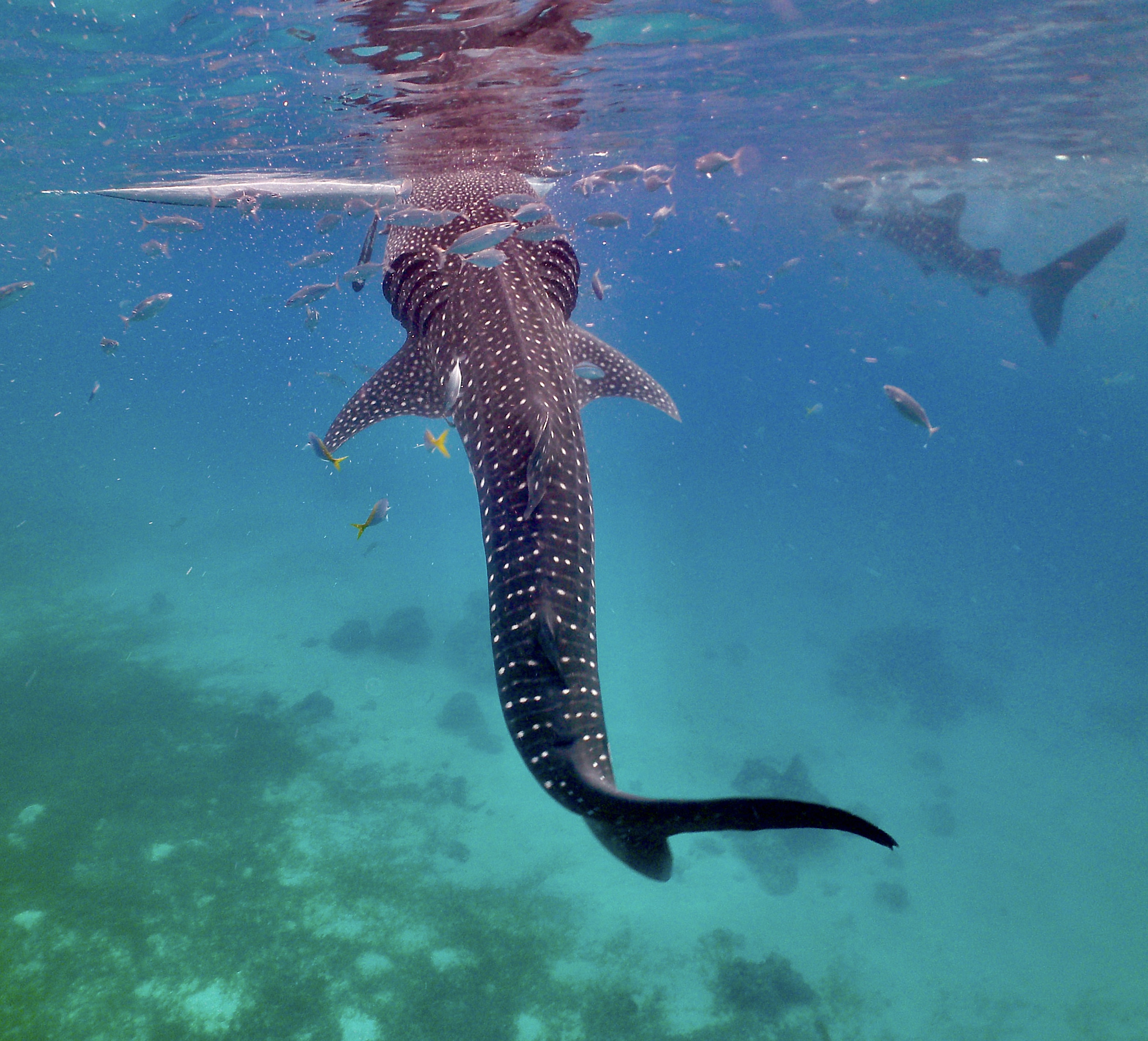
Majestic Giants of the Philippines: Whale Sharks in Oslob
Oslob, Philippines, is renowned for its encounters with whale sharks, the largest fish in the ocean, which can reach up to 12 meters. Fishermen attract them with small fish, drawing tourists for memorable experiences. Their unique markings aid in research, but feeding practices raise concerns about tourism’s impact on conservation and wildlife interactions.