
Travel Blog
-

Small Creatures Surrounding The Revillagigedo Archipelago
Scuba divers from all over the world travel to the Revillagigedo Archipelago in the Pacific Ocean to see big animals like Manta Rays, Sharks, Whales, etc. While these large creatures are very exciting to observe and the main attraction – they are not always swimming around divers. This underwater video compiles some of the smaller…
-
Fuvahmulah – Dive Guides and Scuba Divers
Diving in Fuvahmulah is unlike anywhere else in the Maldives. This isolated island sits directly in the path of powerful Indian Ocean currents, attracting an extraordinary concentration of large pelagic marine life. The dive guides here are central to the whole experience — without their expertise, encounters with Tiger Sharks and other open water species…
-
#Bloganuary – What Does Your Ideal Day Look Like?
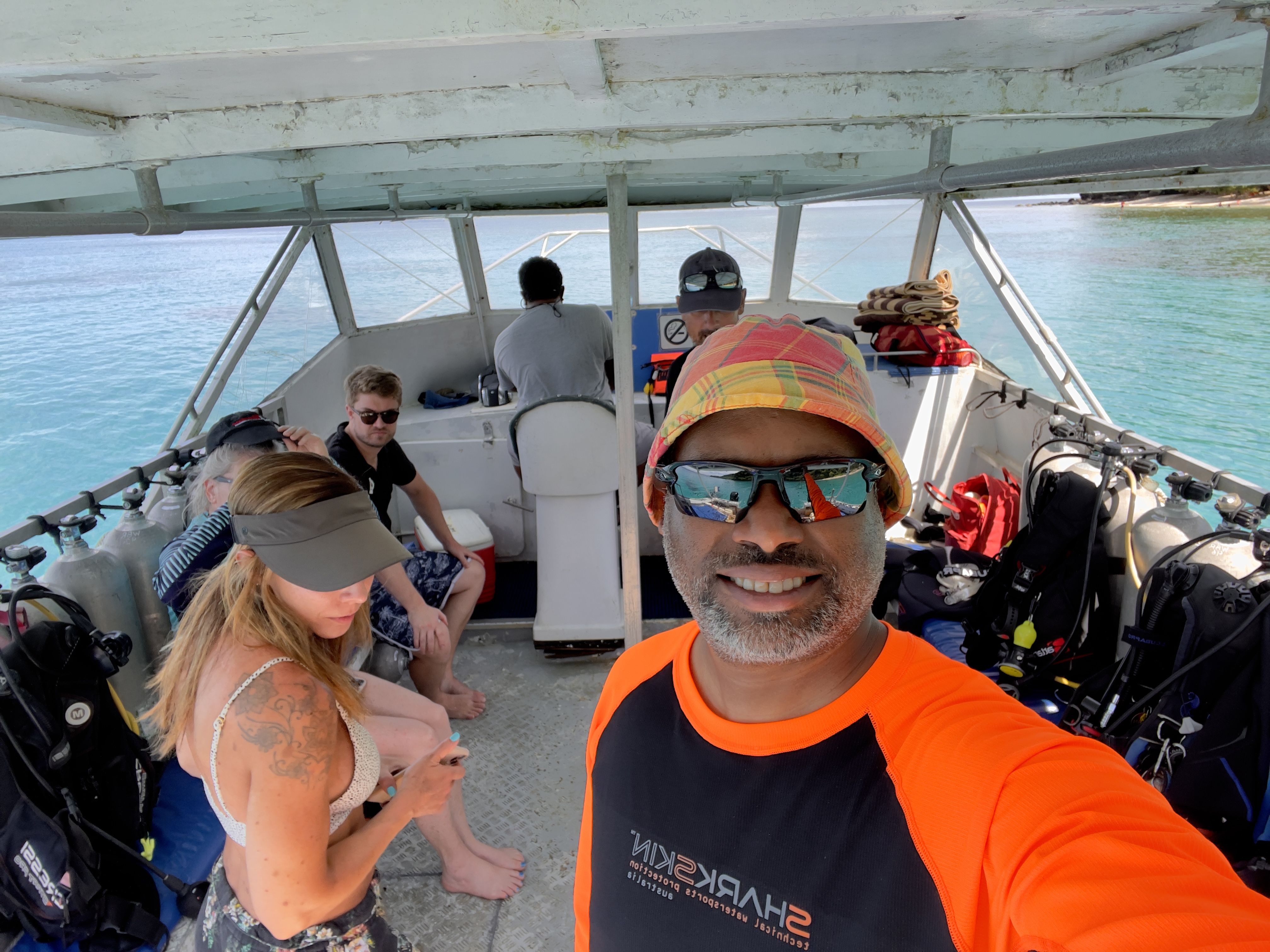
WordPress has created a fun challenge to begin the year. Each and every day during the month of January, WordPress posts a writing prompt to inspire interesting content creation. One of the challenges this week is to address what your ideal day looks like, here’s my contribution. Start with a tasty French Toast Breakfast Take…
-
Throwback Thursday: Scuba Diving Iceland
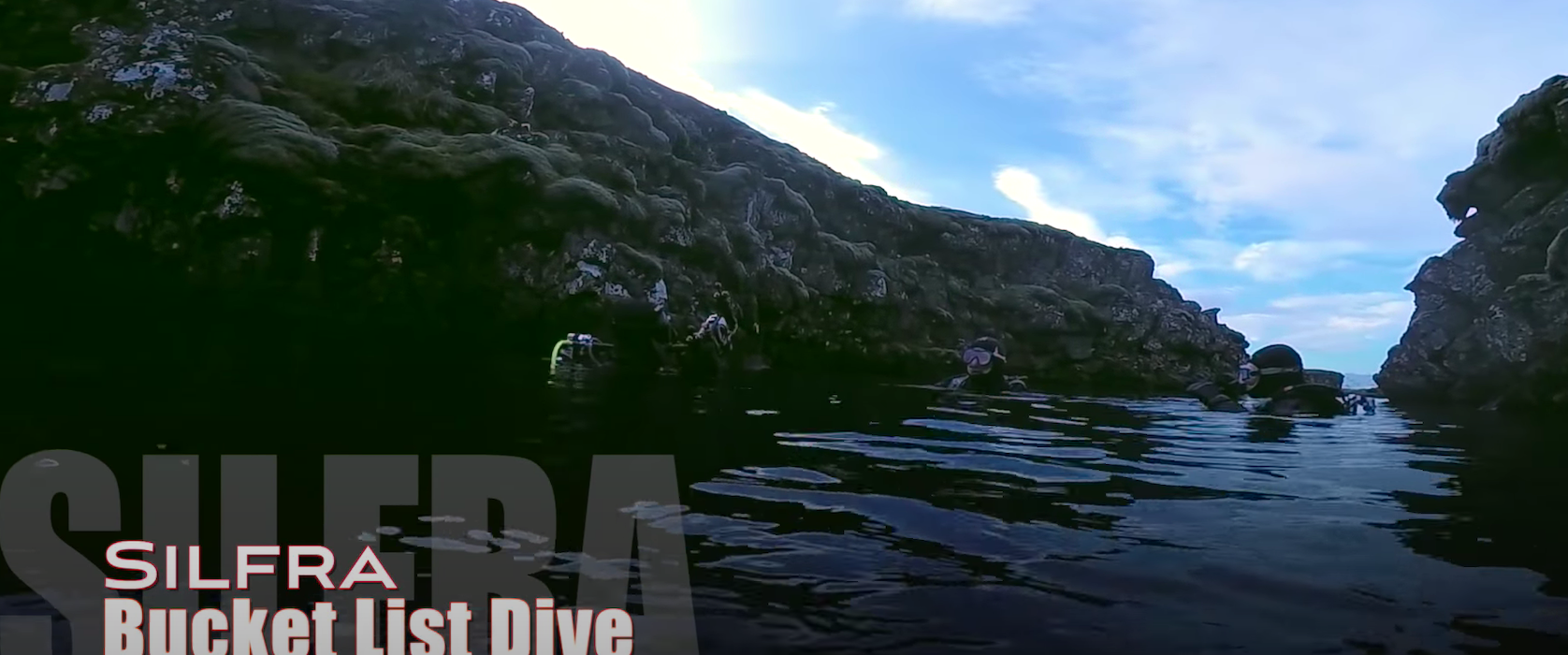
A few years ago, a group of friends and I organized a dive trip to Iceland. Our goals were simple: earn a Dry Suit certification and execute a bucket list dive at the Silfra. The Silfra is a rift formed in the divergent tectonic boundary between the Eurasian and North American plates. It is filled…
-
Fish of the Week: Blotched Fantail Ray
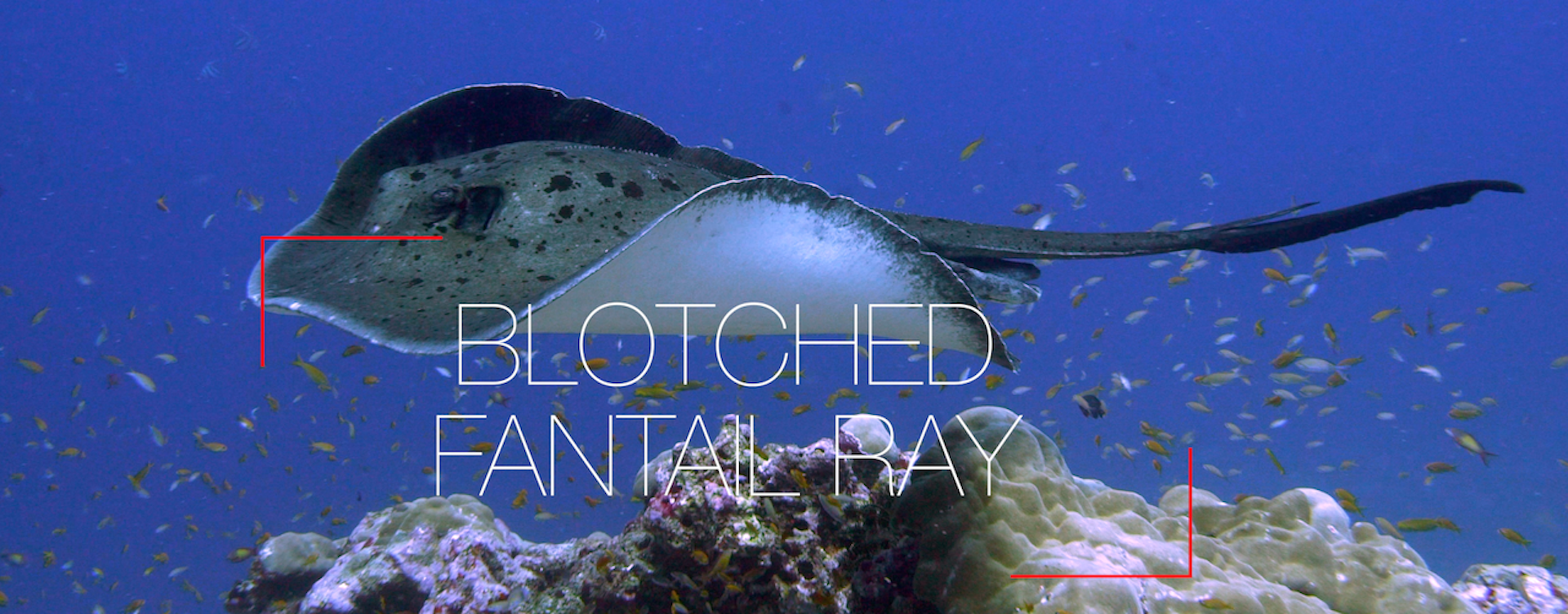
The Blotched Fantail Ray is one of the largest rays commonly found throughout the Indian and Pacific Oceans. The stingray in this video was observed at a cleaning station in the Laamu Atoll, Maldives. A cleaning station is a location where large and small aquatic life temporarily congregate to benefit each other. Typically, a mutual…
-
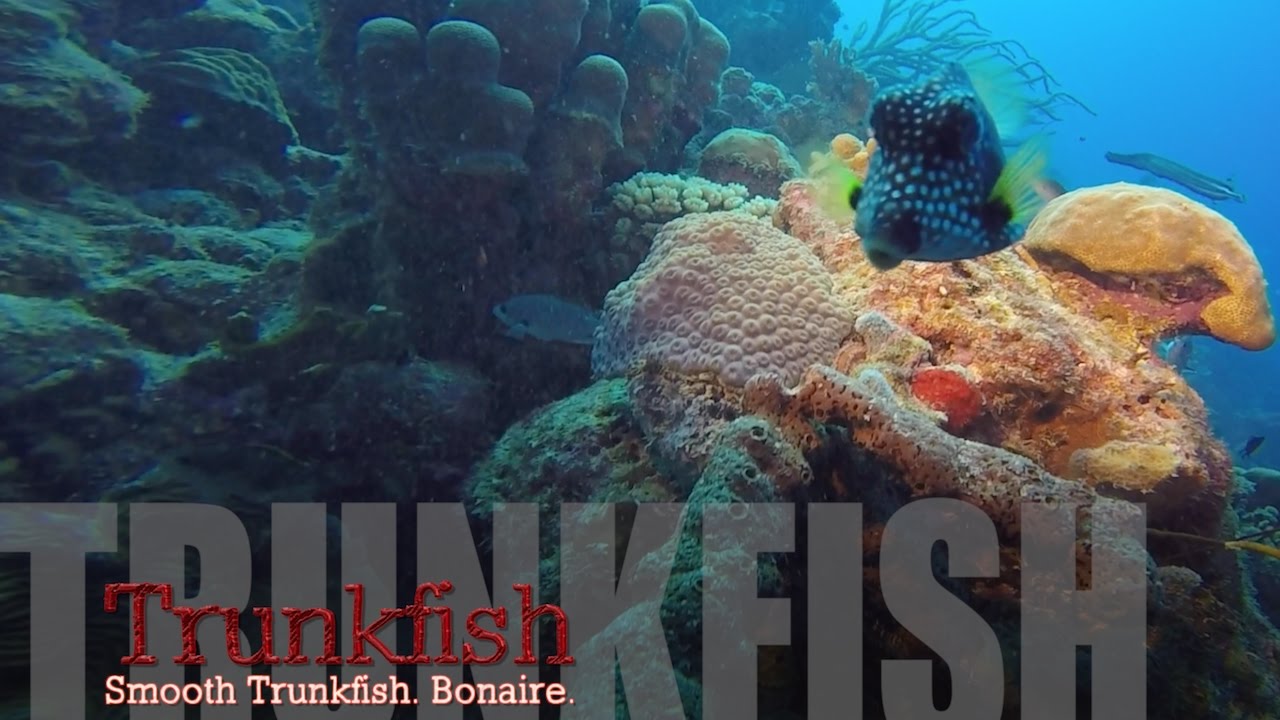
Fish of the Week: Smooth Trunkfish
The Smooth Trunkfish, found in the Caribbean and western Atlantic, belongs to the Ostraciidae family. It uses its lips to jet water, uncovering invertebrates to feed on. Juveniles are dark with yellow spots, and they often camouflage effectively among coral reefs. The images were captured in Bonaire using a Gopro Hero 4 Silver.
-
WORLD REEF DAY
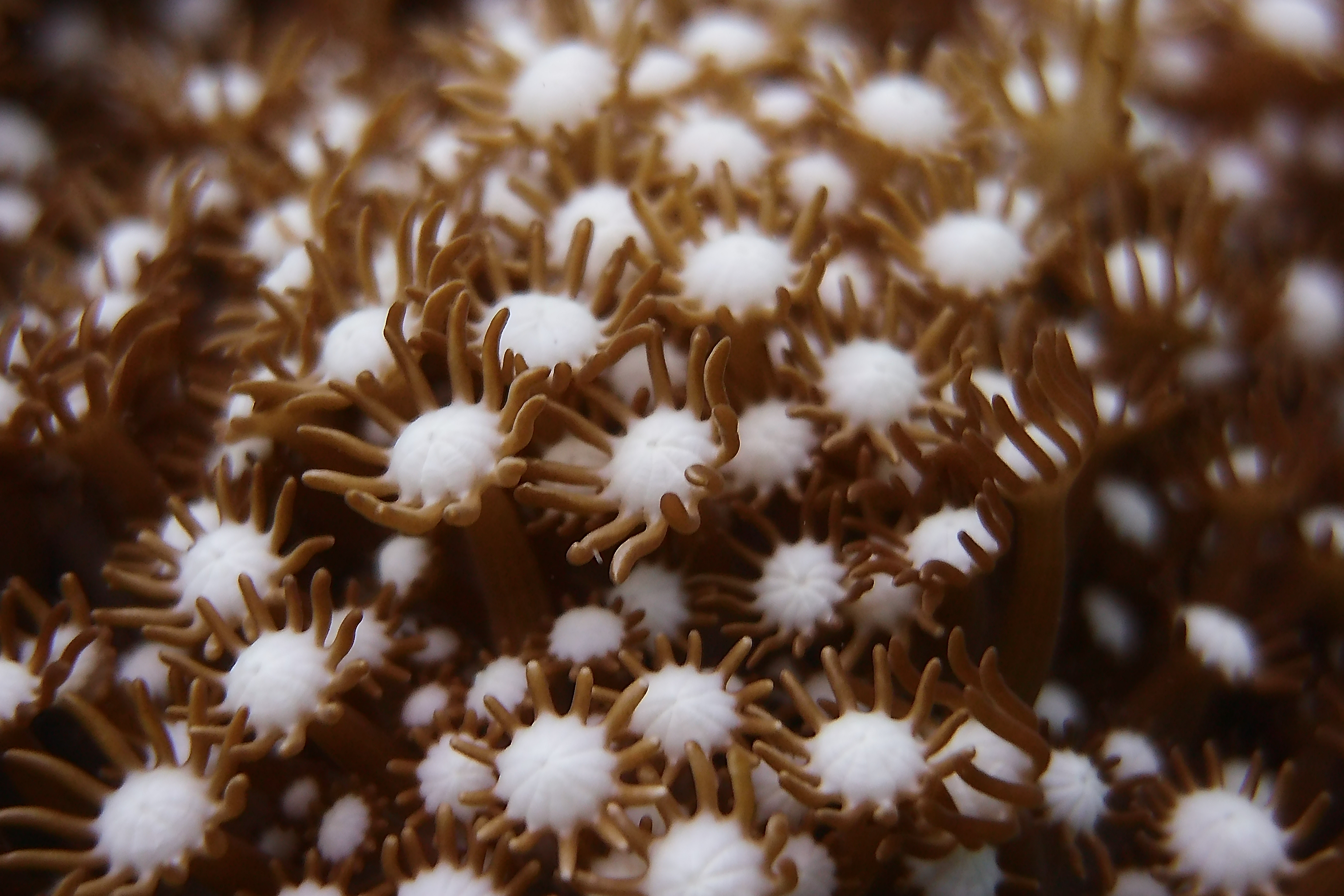
What is World Reef Day? June 1st, is a call to action for consumers, businesses, and organizations to reflect on the delicate ecosystem of our ocean’s coral reefs. The day brings together the general public and opinion leaders to create active change through education and engagement. Why should we act now? Coral reefs cover less than…