
sea life
To understand the ocean, you must look closely at the sea life that defines it. This archive serves as a field guide to the strange and wonderful biology of the underwater world. Beyond simple sightings, these posts delve into the survival strategies, mating rituals, and evolutionary adaptations that allow these creatures to thrive. From the neurotoxic defenses of the Blue-Ringed Octopus to the cooperative parenting of Anemonefish, this collection connects the visual beauty of the reef with the fascinating science behind it.
-

North Carolina Wreck Diving: The Bruse Reeb
North Carolina is often called the Graveyard of the Atlantic, home to hundreds of shipwrecks scattered along its coast. While the famous wrecks like the U-352 and the Spar get most of the attention, some of the most memorable dives come from the lesser-known sites hidden offshore. On a recent trip with Gotham Divers, aboard…
-
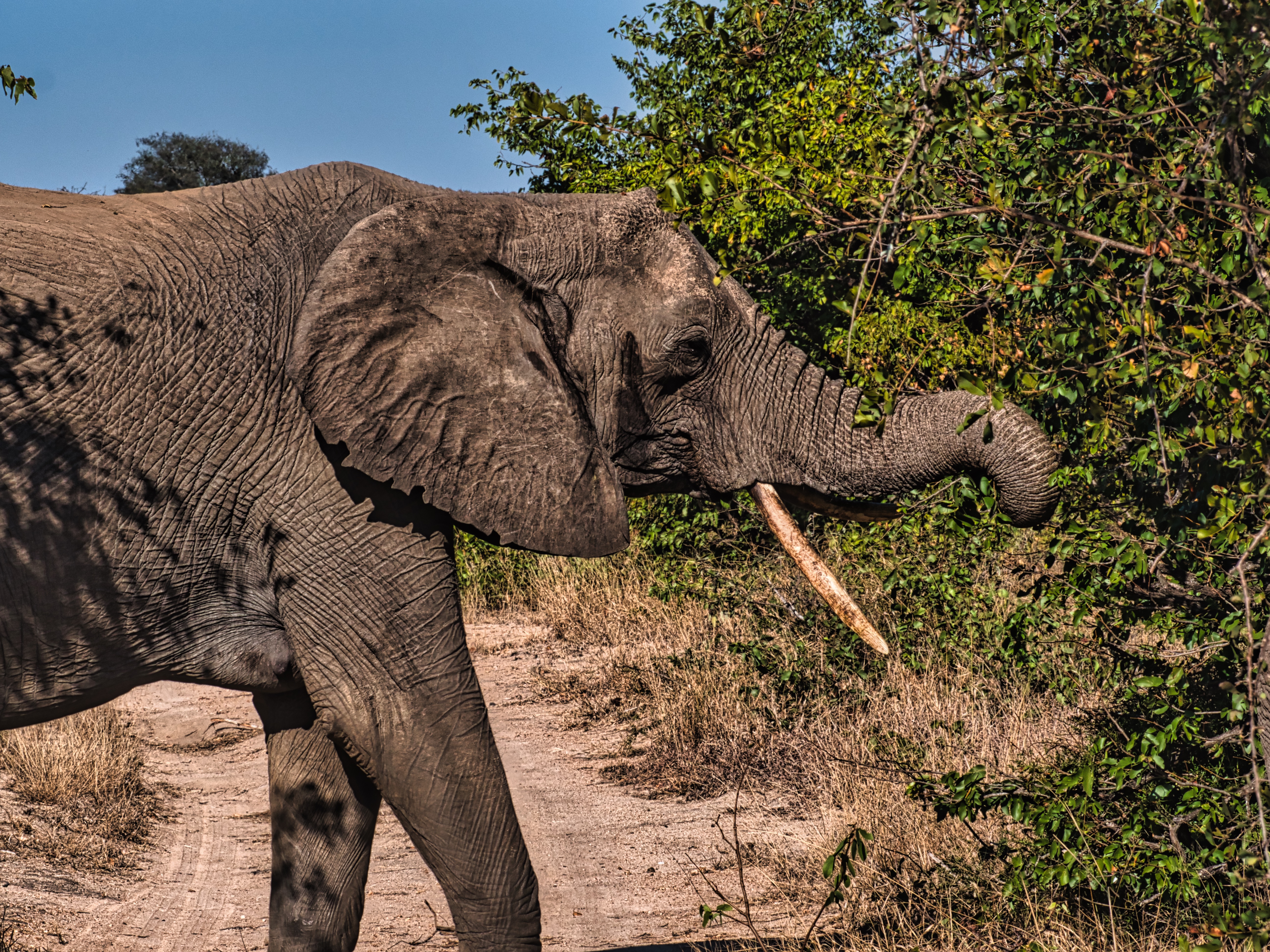
World Elephant Day in 10 Frames
To celebrate World Elephant Day, I share ten favorite elephant images, predominantly from Kruger National Park in South Africa, with one unique piece from New York City. These images highlight the extraordinary presence, intelligence, and significance of elephants in their habitats and as inspirations in our lives.
-
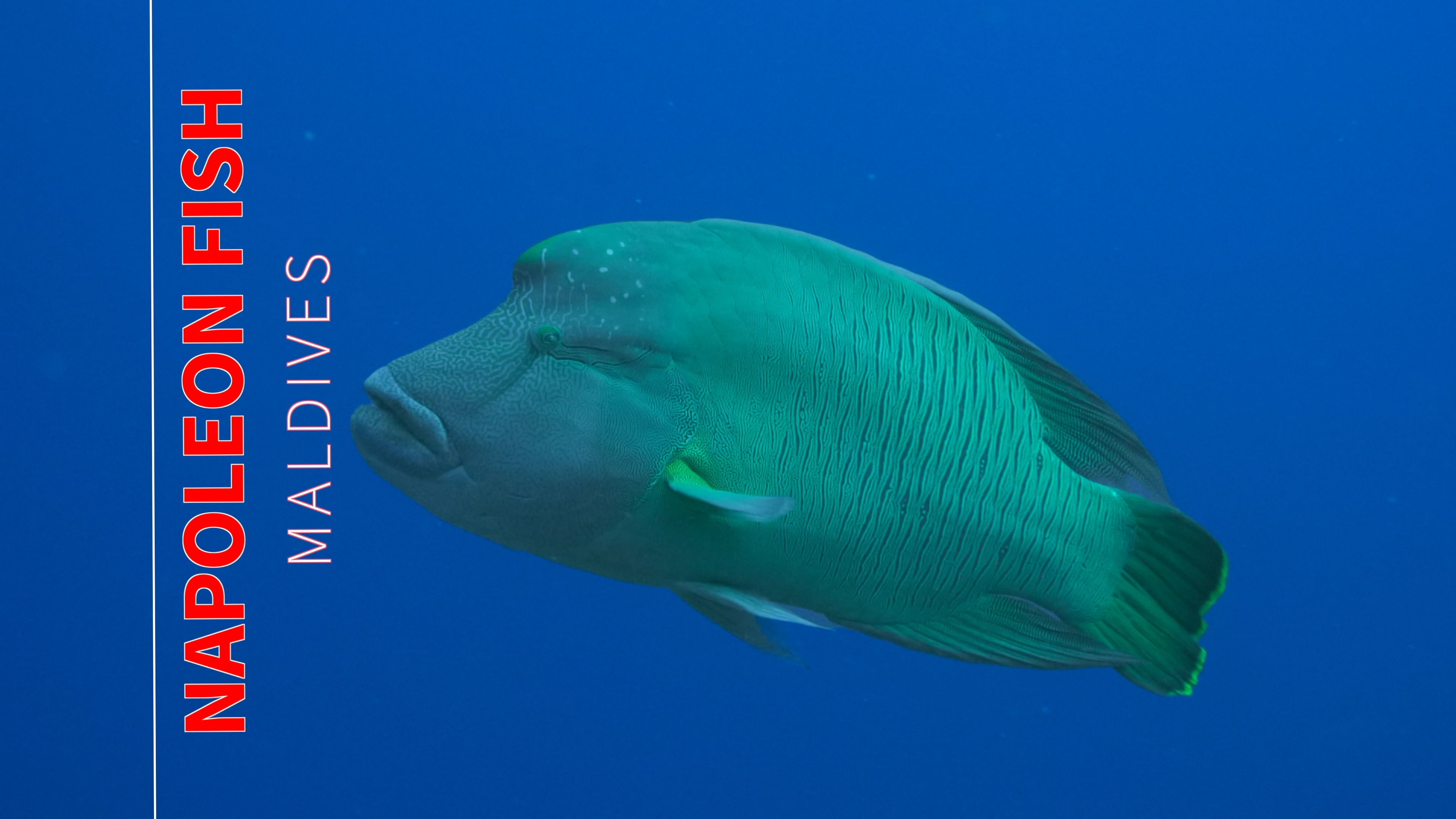
Up Close with the Napoleon Wrasse (Cheilinus undulatus)
The Napoleon Fish, or humphead wrasse, is a striking reef fish known for its size, vibrant colors, and gentle demeanor. Growing over six feet long, it glides gracefully underwater. Its intelligence and social behavior stand out, making encounters with this majestic creature unforgettable, as experienced during a dive in the Maldives.
-
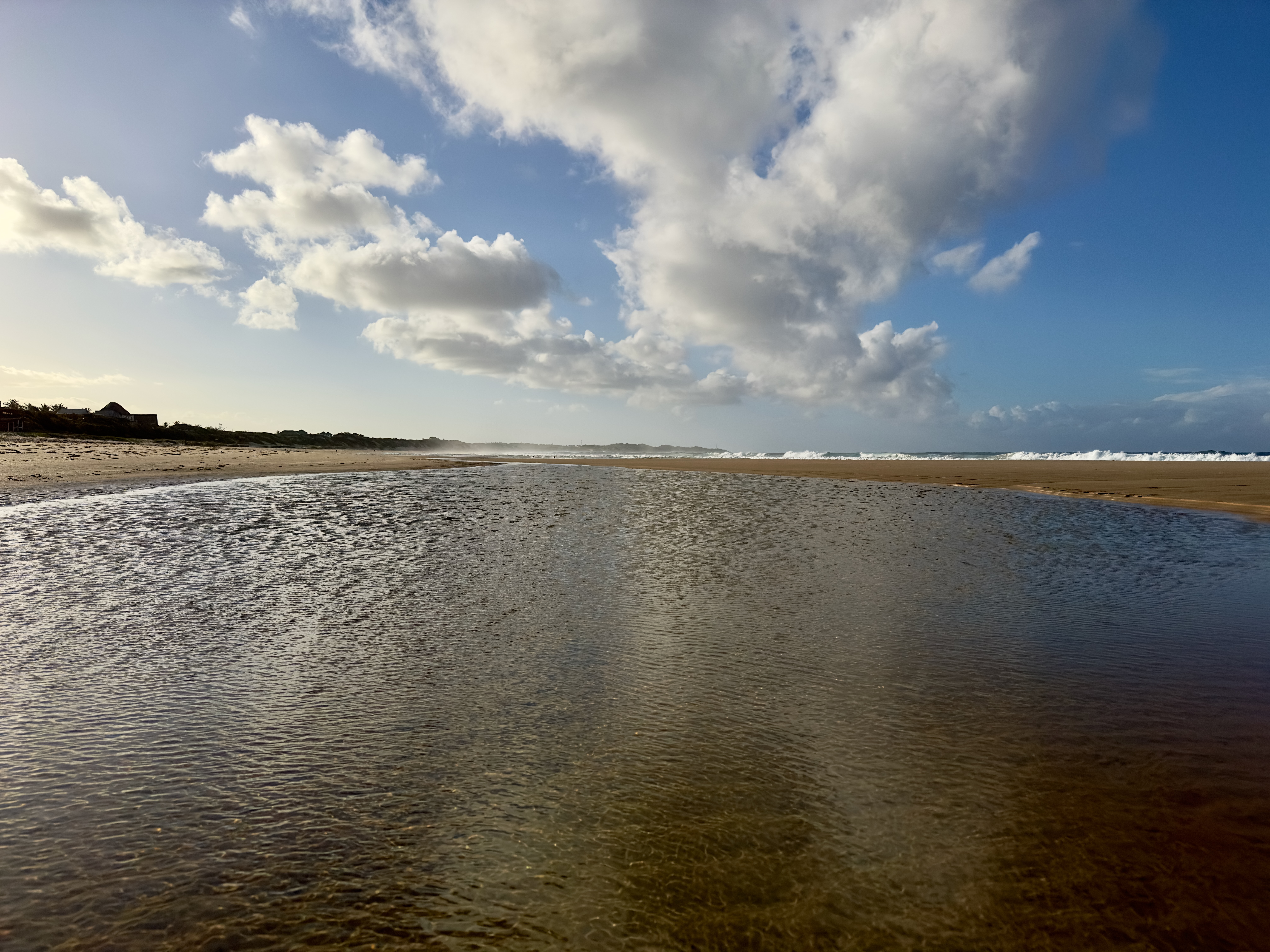
Chasing Clouds – Heading to Mozambique
In Mozambique, particularly along Tofo Beach, the sky is vibrant and dynamic. Mornings feature hazy layers that part to reveal soft clouds against a blue sky. Throughout the day, clouds change in depth and texture, reflecting the ocean’s restlessness and providing a rewarding experience for cloud-watching enthusiasts.
-
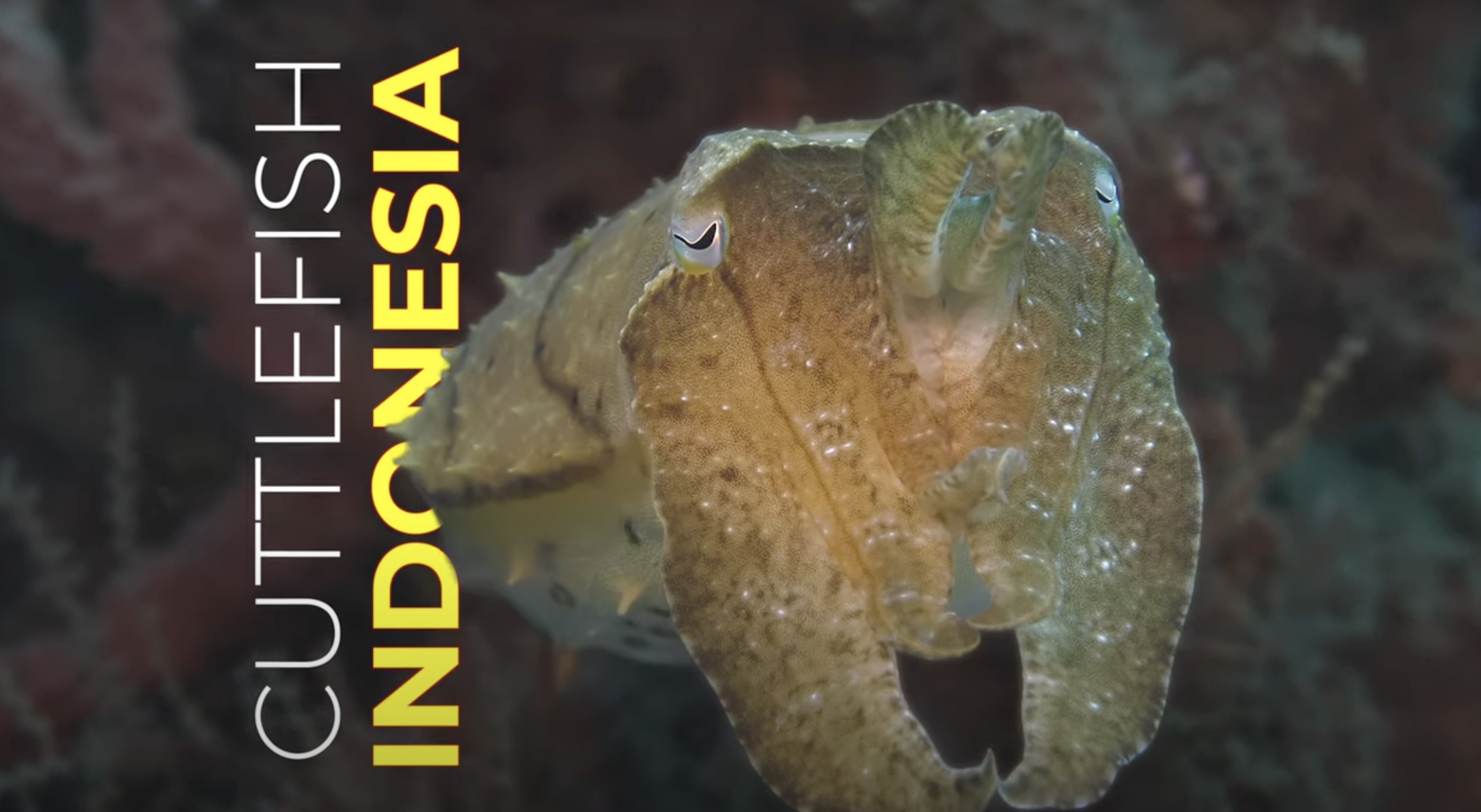
Observing a Pharaoh Cuttlefish (Sepia pharaonis) in Indonesia’s Reefs
While diving off the coast of Indonesia, I recorded footage of a Pharaoh cuttlefish (Sepia pharaonis) in its natural habitat. This species is commonly found in the Indo-Pacific region and is known for its advanced camouflage abilities and dynamic skin patterning. The individual observed remained stationary for several moments, displaying a range of color changes…
-
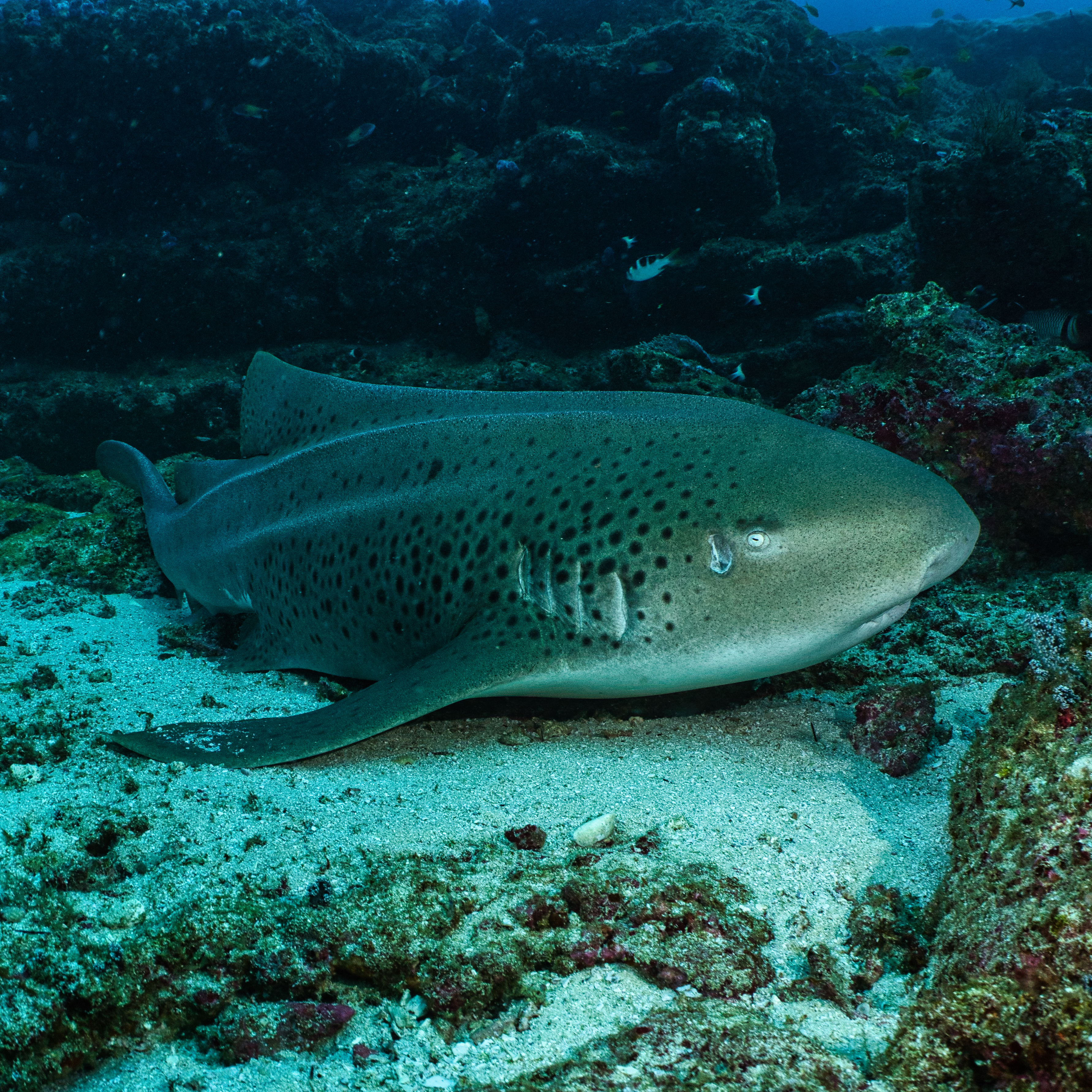
Shark Awareness Day: Documenting Ocean Health, One Shark at a Time
Sharks are more than just ocean predators—they’re vital indicators of a healthy marine ecosystem. On Shark Awareness Day, I’m sharing clips from various dives with bullhead sharks, bull sharks, tiger sharks, sand tiger sharks, and reef sharks. Each encounter is a reminder that seeing sharks means the ocean is thriving—and why protecting them matters for…
-
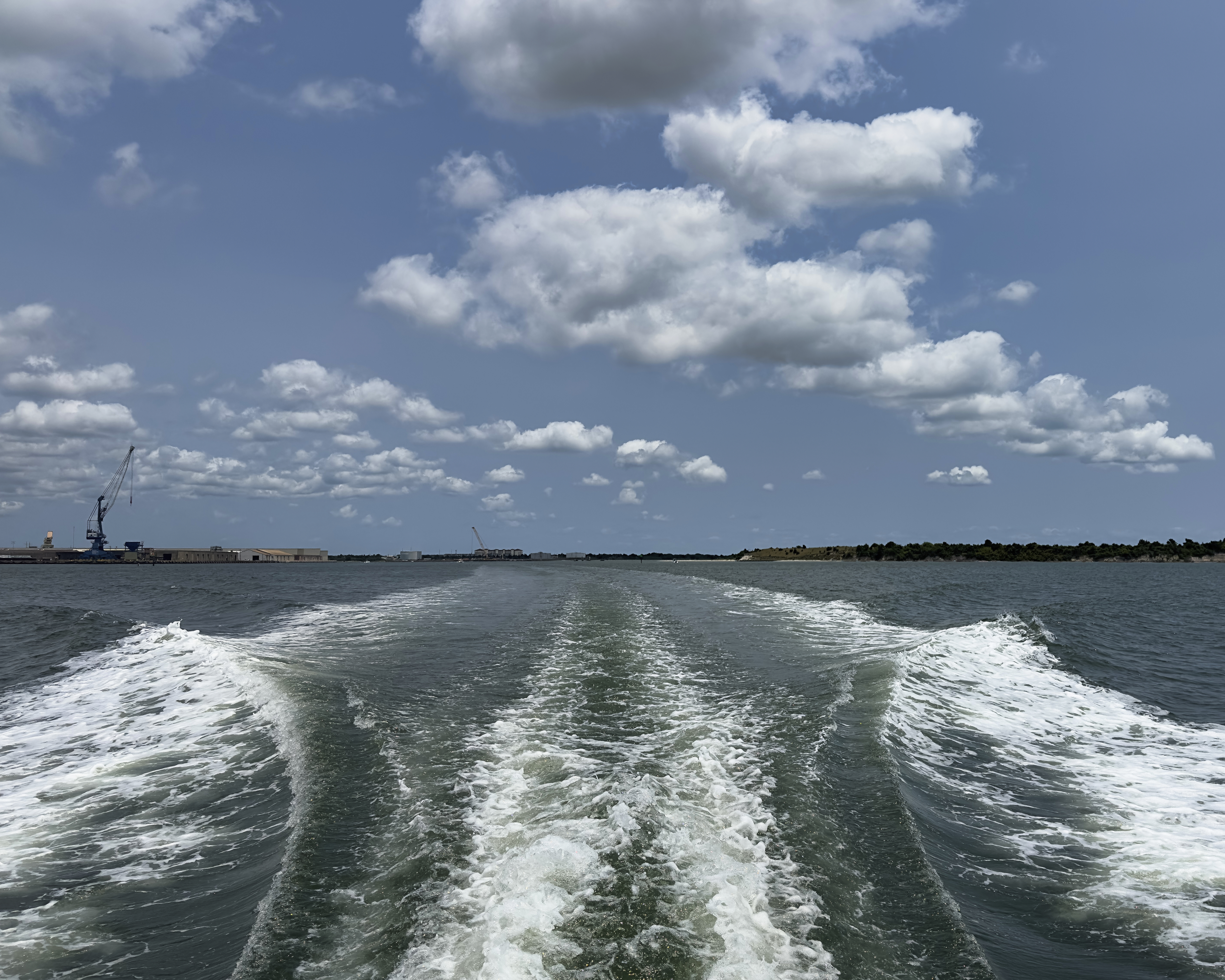
Chasing Clouds – Heading to North Carolina
Shark dives in North Carolina captivated my attention, especially the cloudscapes above. Each journey involves lengthy drives past nostalgic sights. On the open water, solitude accompanied by the engine’s hum provides a serene atmosphere. The day concludes with a beautiful sunset over Atlantic Beach, highlighting nature’s tranquility.
-

Sint Eustatius Sunset
As the sun sets, it creates a stunning display of warm colors, prompting reflection and hope. This shift from light to dark serves as a reminder of life’s cycles, urging us to appreciate the day’s memories and embrace future possibilities.
-
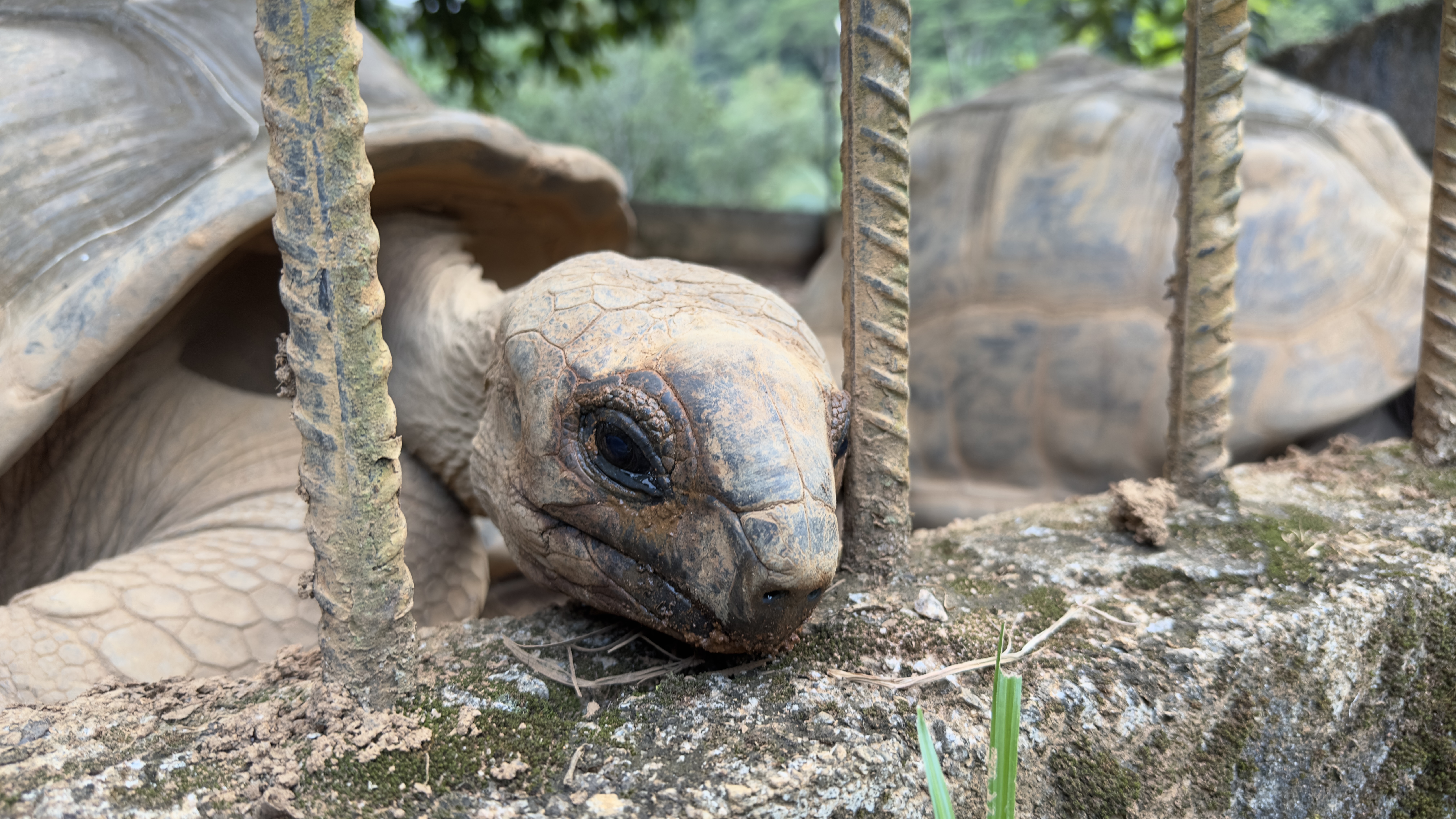
Breakfast with the Giants: Mornings at Blue Hill Hotel, Seychelles
At Blue Hill Hotel in the Seychelles, breakfast features a unique tradition where guests witness the feeding of resident Aldabra giant tortoises. Kitchen staff use organic food scraps to sustain these gentle giants, promoting sustainability. This ritual offers guests a chance to connect with the iconic native species in an eco-friendly setting.
-
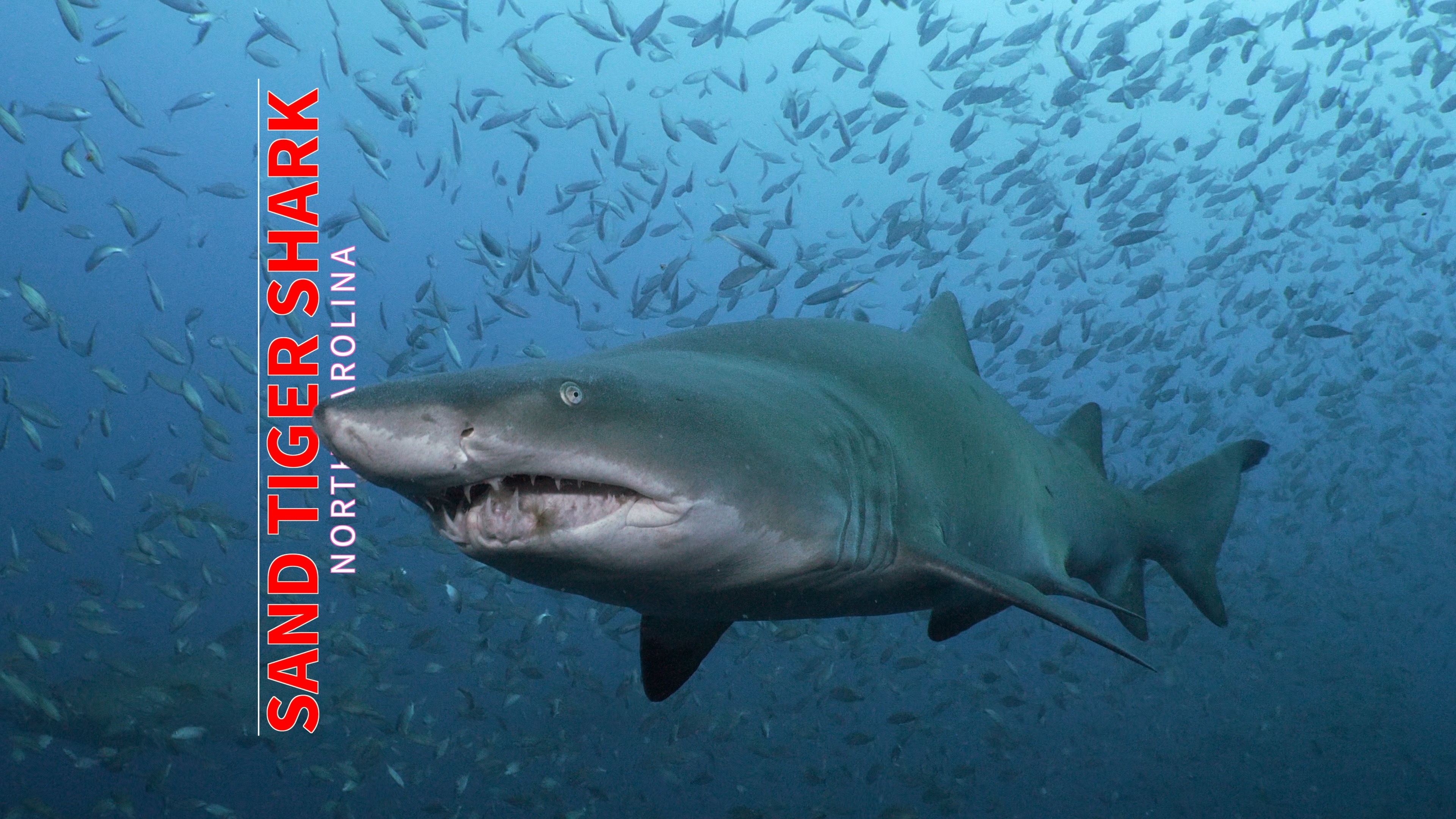
Face to Face with a Sand Tiger Shark in North Carolina
Sand tiger sharks are commonly found off the coast of North Carolina, particularly near shipwrecks, due to abundant prey and shelter. While their appearance may seem intimidating, they are generally docile. The region supports large aggregations of these sharks, attracting divers and boosting local ecotourism during the summer months.